Flavius Anastasius I Becomes Byzantine Emperor
491 · Constantinople, Byzantine Empire
Flavius Anastasius I becomes Byzantine Emperor after the death of Zeno.
April 9, 0475
Byzantine Emperor Basiliscus issued a circular letter (Enkyklikon) to the bishops of his empire, supporting the Monophysite doctrine, which led to significant religious controversy.
Constantinople, Byzantine Empire | Byzantine Empire
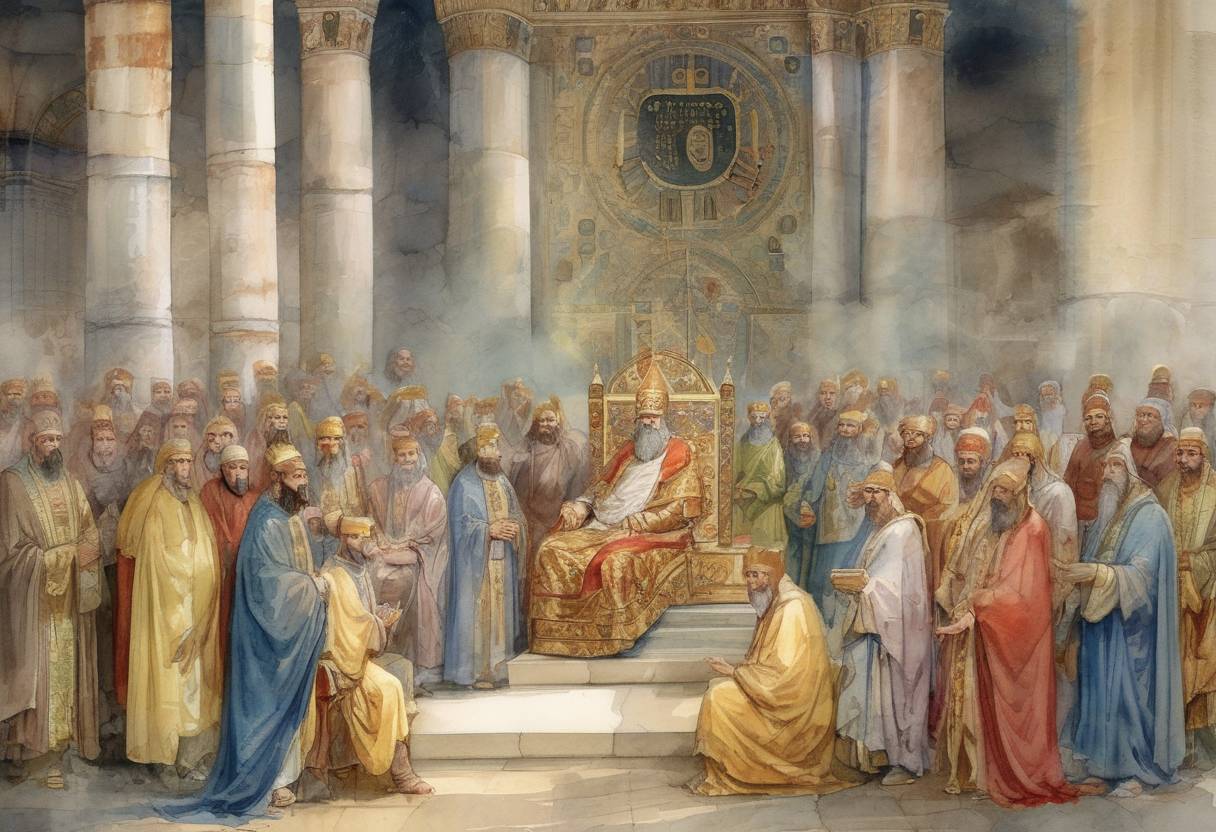
On April 9, 475, Byzantine Emperor Basiliscus issued a circular letter known as the “Enkyklikon” to the bishops of his empire. This document played a pivotal role in the religious controversies of the time, particularly concerning the Monophysite doctrine.
Basiliscus’ Rise to Power: Basiliscus became emperor after a coup against Emperor Zeno in January 475. His reign was marked by attempts to consolidate power and address the religious divisions within the empire.
Religious Tensions: The Byzantine Empire was deeply divided over Christological debates, particularly between the Chalcedonian Christians, who supported the dual nature of Christ (both human and divine), and the Monophysites, who believed in a single, divine nature of Christ.
Content: The Enkyklikon was an edict that supported the Monophysite position, rejecting the Council of Chalcedon’s definition of Christ’s dual nature. Basiliscus sought to gain favor with the Monophysite faction, which was particularly strong in the eastern provinces of the empire.
Impact on the Church: The letter demanded that bishops across the empire sign a declaration of support for the Monophysite doctrine. This move was highly controversial and led to significant unrest within the church hierarchy.
Religious Controversy: The Enkyklikon exacerbated existing religious tensions, leading to widespread dissent among Chalcedonian supporters. Many bishops refused to comply, and the edict was met with resistance.
Political Repercussions: Basiliscus’ support for Monophysitism alienated key political and religious figures, weakening his position as emperor. This discontent contributed to his eventual downfall.
Restoration of Zeno: In 476, Zeno regained the throne, and one of his first actions was to nullify the Enkyklikon, reaffirming the Chalcedonian doctrine. This restoration helped stabilize the religious landscape, albeit temporarily.
Religious Division: The controversy surrounding the Enkyklikon highlighted the deep religious divisions within the Byzantine Empire, which would continue to influence its politics and society for centuries.
Legacy of Basiliscus: Although his reign was short-lived, Basiliscus’ actions underscored the complex interplay between religion and politics in the Byzantine Empire, setting a precedent for future emperors.
In summary, the issuance of the Enkyklikon by Emperor Basiliscus on April 9, 475, was a significant event in Byzantine history, illustrating the profound impact of religious doctrine on imperial politics and the enduring challenges of maintaining religious unity within a diverse empire.
Source: en.wikipedia.org