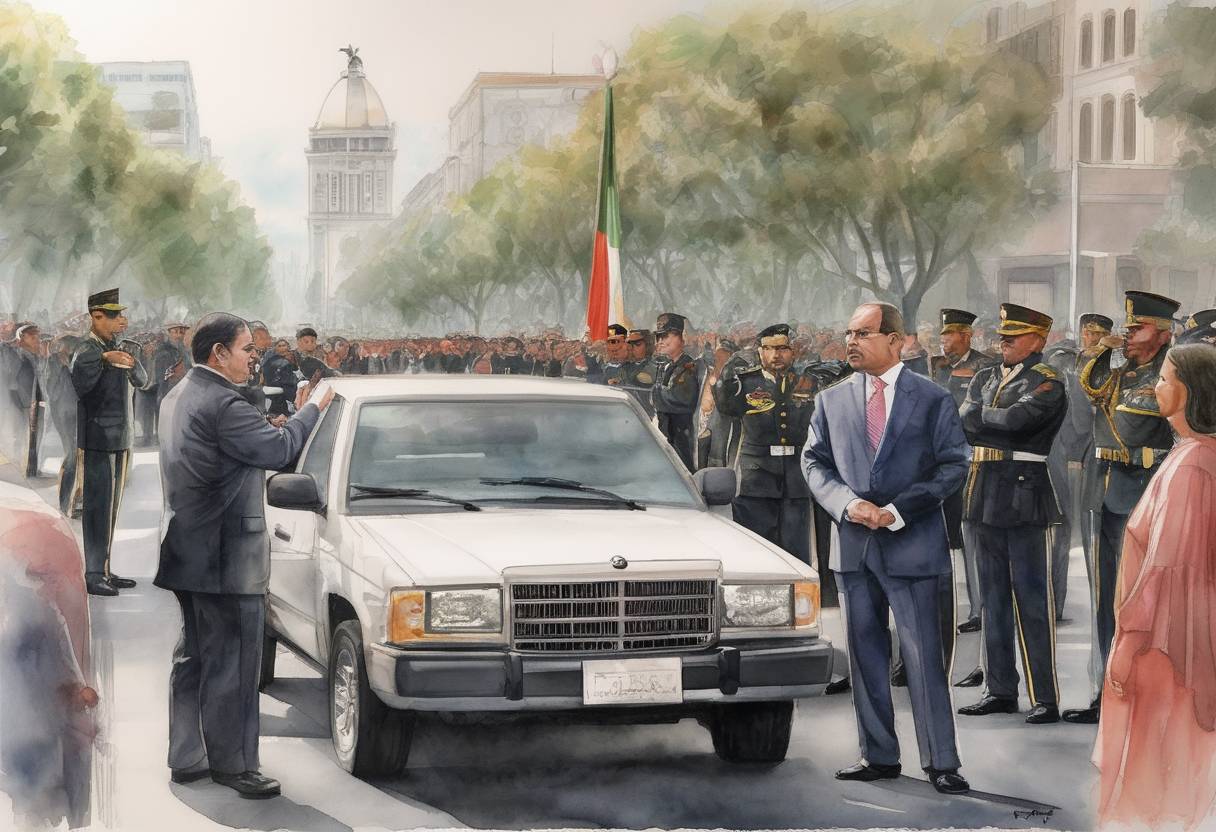
Inauguration of Felipe Calderón as President of Mexico
On December 1, 2006, Felipe Calderón was inaugurated as the President of Mexico, marking the beginning of a six-year term that would be heavily defined by his administration’s approach to combating drug-related violence in the country. Calderón, a member of the National Action Party (PAN), succeeded Vicente Fox, also of the PAN, following a highly contested election.
Context Leading to the Inauguration
Calderón’s election was one of the most contentious in Mexican history. The July 2006 presidential election was marred by allegations of electoral fraud and was followed by widespread protests led by his main opponent, Andrés Manuel López Obrador of the Party of the Democratic Revolution (PRD). Despite these challenges, Calderón was declared the winner by a narrow margin, and his victory was upheld by Mexico’s Federal Electoral Tribunal.
Key Events of Calderón’s Presidency
The Mexican Drug War
One of the most significant aspects of Calderón’s presidency was his aggressive stance against drug cartels. Shortly after taking office, Calderón launched a military-led initiative to combat the powerful drug trafficking organizations that had gained significant control over parts of Mexico. This decision marked a major escalation in the Mexican Drug War.
- Deployment of Federal Troops: Calderón deployed thousands of federal troops to regions most affected by drug violence, such as Michoacán, his home state, which was one of the first areas to see military intervention.
- Operation Michoacán: Initiated in December 2006, this was the first major operation under Calderón’s strategy, involving thousands of soldiers and federal police officers.
Impact and Consequences
- Increase in Violence: While Calderón’s strategy aimed to dismantle the cartels, it also led to an increase in violence as cartels fought back against government forces and each other for control of territories.
- Casualties and Human Rights Concerns: The conflict resulted in tens of thousands of deaths and raised significant human rights concerns, including allegations of abuses by security forces.
Broader Historical Significance
Calderón’s presidency and his approach to the drug war had lasting impacts on Mexico:
- Policy Legacy: His militarized strategy set a precedent for subsequent administrations, influencing Mexico’s ongoing efforts to address drug-related violence.
- Public Perception: The escalation of violence during his term led to mixed public perceptions of his presidency, with some viewing his actions as necessary and others criticizing the human cost and effectiveness of his policies.
Calderón’s tenure remains a pivotal period in Mexico’s modern history, as it highlighted the complexities and challenges of addressing organized crime and drug trafficking in the region.