UK General Election of June 7, 2001: Tony Blair's Labour Party Victory
2001 · London, United Kingdom
Tony Blair's Labour Party wins a second consecutive term in the UK general election, securing a large majority in the House of Commons.
May 2, 1997
Tony Blair became Prime Minister of the United Kingdom after the Labour Party won a landslide victory in the general election, ending 18 years of Conservative government.
London, United Kingdom | Labour Party
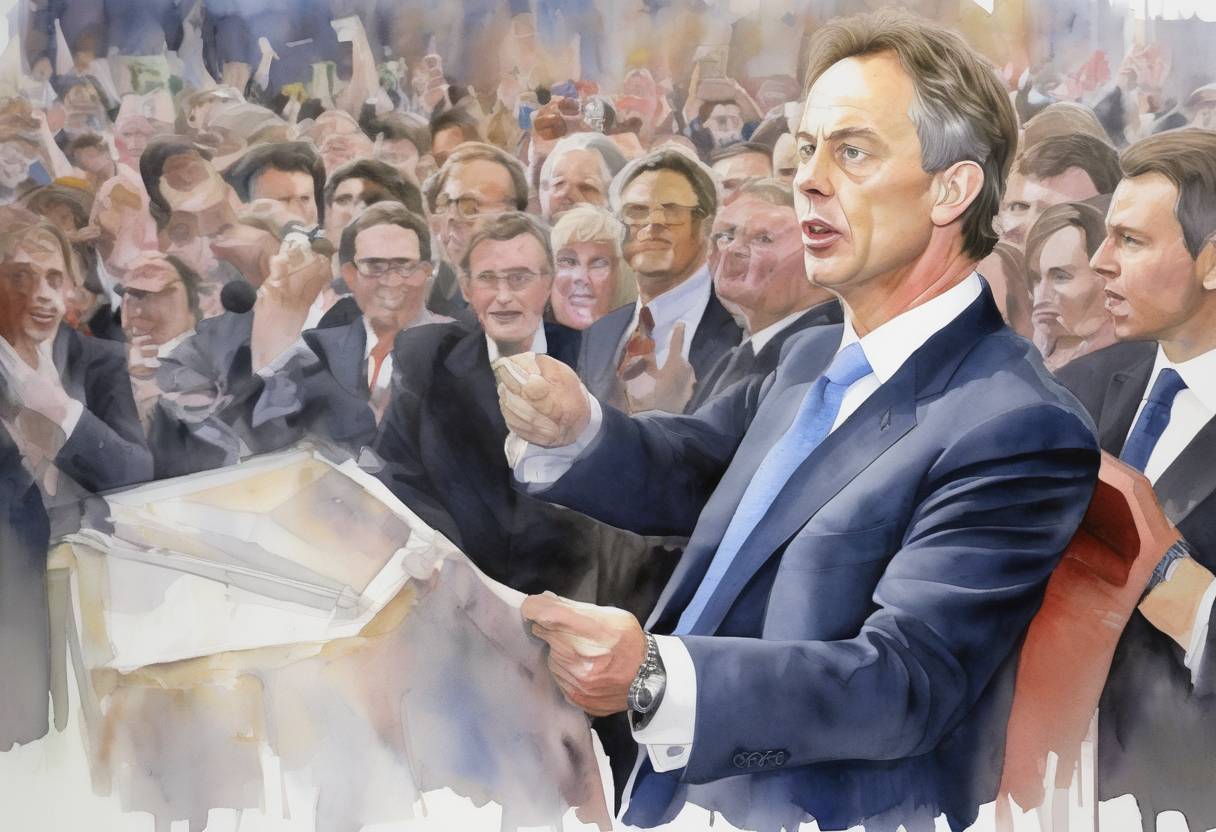
On May 2, 1997, Tony Blair became the Prime Minister of the United Kingdom following a decisive victory by the Labour Party in the general election. This election marked a significant political shift, ending 18 years of Conservative government and ushering in a new era of British politics under Blair’s leadership.
Conservative Rule: The Conservative Party had been in power since 1979, beginning with Margaret Thatcher’s leadership and continuing under John Major from 1990. The latter years of Conservative rule were marred by economic challenges, internal party divisions, and public dissatisfaction.
Labour Party Transformation: Under Tony Blair’s leadership, the Labour Party underwent significant modernization, rebranding itself as “New Labour.” This transformation included a shift towards the political center, embracing market-friendly policies while maintaining a commitment to social justice.
Public Sentiment: By the mid-1990s, the British public was increasingly disillusioned with the Conservative government, particularly due to issues such as the Black Wednesday economic crisis in 1992 and various political scandals.
Campaign Strategy: Labour’s campaign focused on themes of renewal and change, with promises to improve public services, education, and healthcare. The party’s manifesto, titled “New Labour, New Life for Britain,” resonated with a wide range of voters.
Election Results: The Labour Party won a landslide victory, securing 418 seats in the House of Commons, the largest majority in its history. The Conservatives suffered a dramatic defeat, losing over half their seats and securing only 165.
Voter Turnout: The election saw a high voter turnout of 71.4%, reflecting the public’s desire for change.
Blair’s Premiership: Tony Blair’s tenure as Prime Minister began with a focus on constitutional reforms, including devolution for Scotland and Wales, and the introduction of the Human Rights Act. His government also prioritized education and health service improvements.
“Third Way” Politics: Blair’s leadership style and policies were characterized by the “Third Way,” a centrist approach that sought to reconcile right-wing economic policies with left-wing social policies.
Long-term Impact: Blair’s victory in 1997 marked the beginning of a 13-year period of Labour governance, which saw significant changes in British society and politics. His leadership style and policies influenced both domestic and international affairs, including the UK’s role in global conflicts.
The 1997 general election remains a pivotal moment in British political history, symbolizing a shift in public sentiment and the beginning of a new political era under Tony Blair’s leadership.
Source: en.wikipedia.org