Sentencing of Radovan Karadžić by the ICTY
2016 · The Hague, Netherlands
The International Criminal Tribunal for the former Yugoslavia sentenced Radovan Karadžić to 40 years in prison for genocide and war crimes.
November 29, 2001
The United Nations International Criminal Tribunal for the former Yugoslavia (ICTY) indicts Slobodan Milošević and four others for crimes against humanity and war crimes committed in Croatia in 1991-1992.
The Hague, Netherlands | United Nations International Criminal Tribunal for the former Yugoslavia
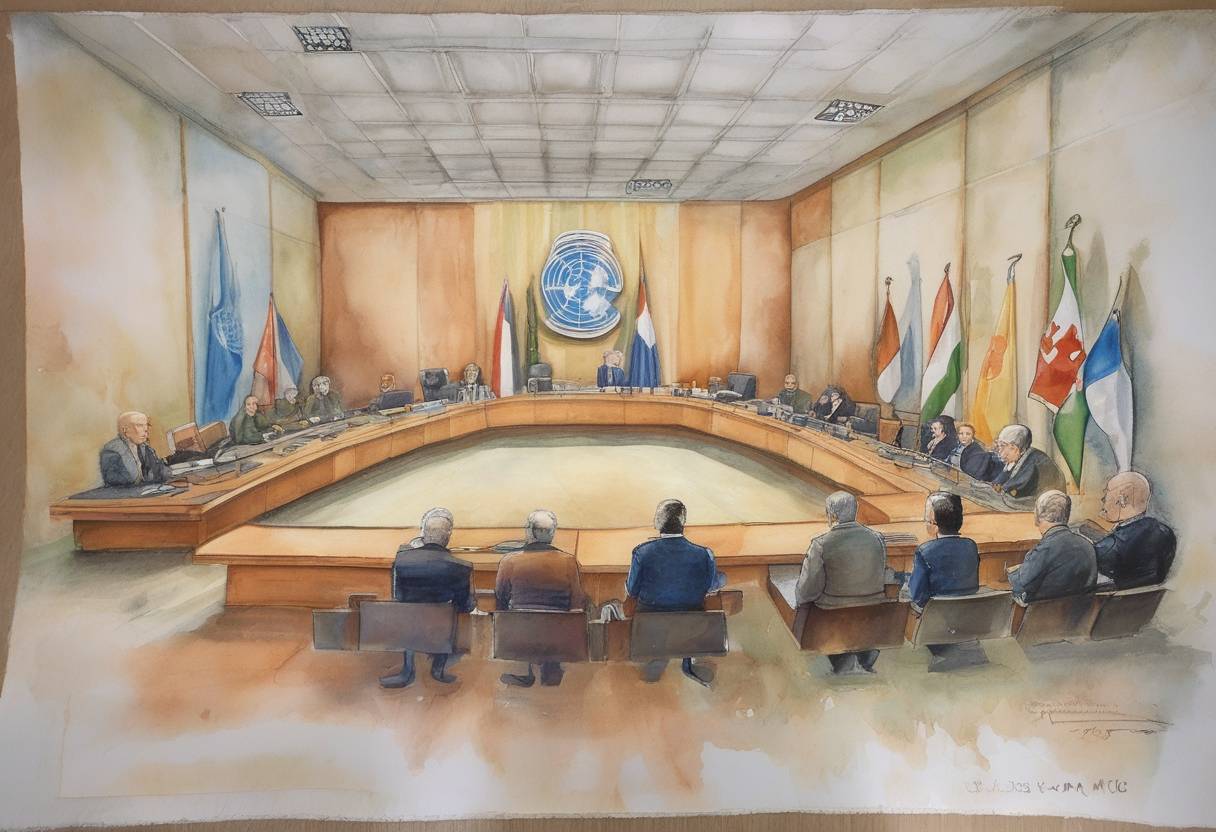
On November 29, 2001, the United Nations International Criminal Tribunal for the former Yugoslavia (ICTY) took a significant step in international justice by indicting Slobodan Milošević and four other individuals for crimes against humanity and war crimes committed in Croatia during the years 1991-1992. This indictment was part of a broader effort to address the atrocities committed during the Yugoslav Wars, which ravaged the Balkans in the 1990s.
The Yugoslav Wars were a series of ethnically-based conflicts that erupted following the disintegration of the Socialist Federal Republic of Yugoslavia. The conflict in Croatia began in 1991, following Croatia’s declaration of independence. The ensuing war was marked by severe violence, including ethnic cleansing, mass killings, and widespread destruction.
Slobodan Milošević, then the President of Serbia, was a central figure in the conflicts. His nationalist policies and support for Serb forces in Croatia and Bosnia were seen as instrumental in the escalation of violence.
The ICTY, established in 1993, was tasked with prosecuting serious crimes committed during the Yugoslav Wars. On November 29, 2001, the tribunal expanded its charges against Milošević to include crimes committed in Croatia. The indictment accused him and four others of:
These charges were in addition to earlier indictments related to atrocities in Bosnia and Kosovo.
The indictment of Milošević was a landmark moment in international law, as he was the first sitting head of state to be charged with war crimes. It underscored the international community’s commitment to holding leaders accountable for their actions, regardless of their position.
Milošević was arrested and transferred to The Hague in 2001, where he stood trial at the ICTY. His trial was one of the most high-profile cases in the tribunal’s history. However, Milošević died in 2006 before a verdict was reached.
The ICTY’s work, including the indictment of Milošević, played a crucial role in the development of international criminal law and set precedents for future tribunals. It also contributed to the broader process of reconciliation and justice in the Balkans.
In conclusion, the indictment of Slobodan Milošević on November 29, 2001, was a pivotal event in the pursuit of justice for the victims of the Yugoslav Wars and highlighted the importance of international mechanisms in addressing war crimes and crimes against humanity.
Source: www.icty.org