Dissolution of the Soviet Union: December 31, 1991
1991 · Moscow, Soviet Union
The Soviet Union was officially dissolved, marking the end of the Cold War and the beginning of a new era in Eastern Europe and Central Asia.
October 10, 2010
The Netherlands Antilles is dissolved as a country within the Kingdom of the Netherlands, resulting in Curaçao and Sint Maarten becoming constituent countries, while Bonaire, Sint Eustatius, and Saba become special municipalities of the Netherlands.
Willemstad, Netherlands Antilles | Kingdom of the Netherlands
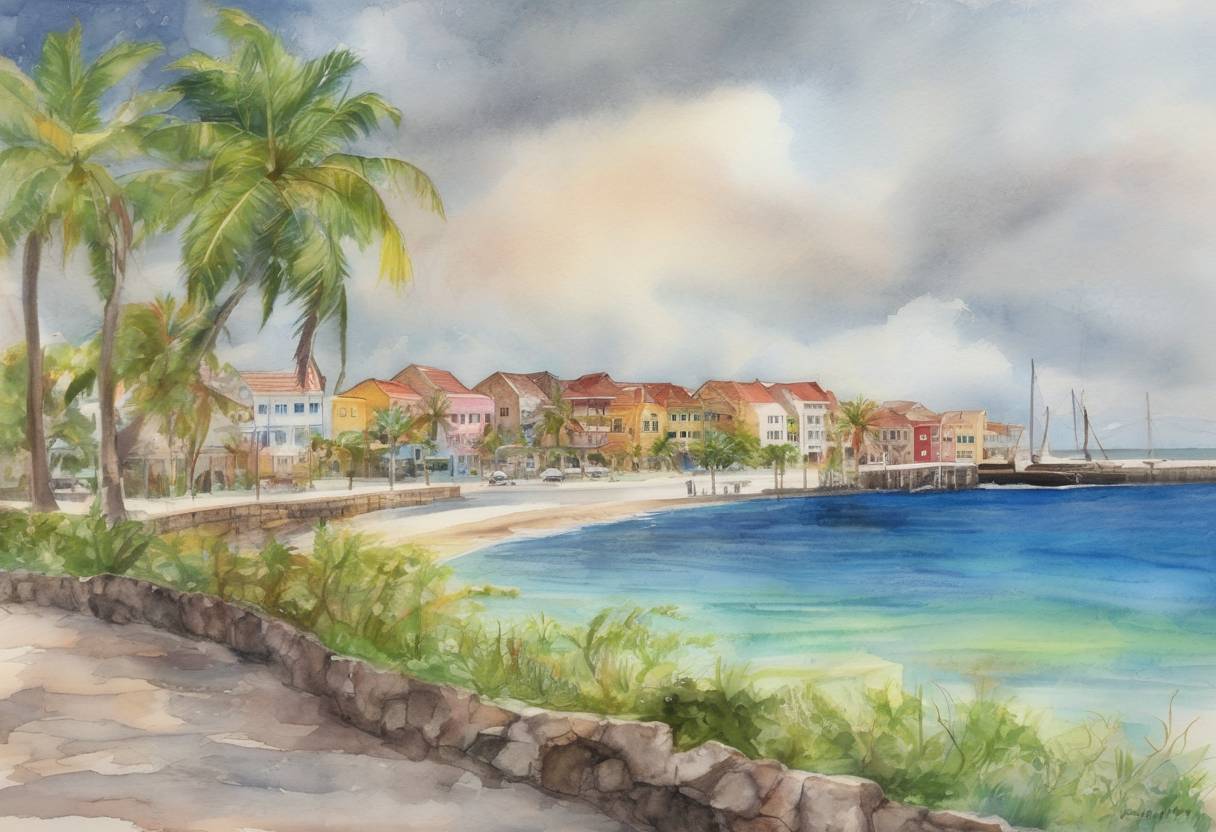
On October 10, 2010, a significant reorganization within the Kingdom of the Netherlands took place with the dissolution of the Netherlands Antilles. This event marked a pivotal change in the political and administrative structure of the Caribbean territories associated with the Netherlands.
The Netherlands Antilles was established as an autonomous Caribbean country within the Kingdom of the Netherlands in 1954. It comprised several islands, including Curaçao, Sint Maarten, Bonaire, Sint Eustatius, and Saba. Over the years, there were growing calls for change due to political, economic, and cultural differences among the islands.
Autonomy Movements: Throughout the late 20th and early 21st centuries, there were increasing demands for greater autonomy or independence among the islands. Each island had its unique identity and aspirations, which led to discussions about restructuring.
Referenda: Between 2000 and 2005, referenda were held on the islands to determine their future status. The results varied, with Curaçao and Sint Maarten opting for a status as separate constituent countries within the Kingdom, while Bonaire, Sint Eustatius, and Saba preferred closer ties with the Netherlands.
Negotiations and Agreements: Extensive negotiations took place between the islands and the Dutch government, culminating in agreements that outlined the new constitutional arrangements.
On October 10, 2010, the Netherlands Antilles was officially dissolved. The reorganization resulted in:
Curaçao and Sint Maarten: These islands became autonomous constituent countries within the Kingdom of the Netherlands, similar to Aruba, which had separated from the Netherlands Antilles in 1986.
Bonaire, Sint Eustatius, and Saba: These islands became special municipalities of the Netherlands, integrating more closely with the Dutch mainland in terms of governance and administration.
Governance: The new arrangement allowed Curaçao and Sint Maarten to have greater control over their internal affairs, while Bonaire, Sint Eustatius, and Saba adopted Dutch laws and regulations, benefiting from Dutch public services and infrastructure.
Economic and Social Impact: The restructuring aimed to improve economic stability and governance, addressing issues such as public finance management and social development.
Cultural Identity: The dissolution acknowledged the distinct cultural identities and aspirations of the islands, allowing them to pursue paths that aligned more closely with their individual needs and goals.
The dissolution of the Netherlands Antilles was a significant event in the history of the Caribbean and the Kingdom of the Netherlands, reflecting a broader trend of decolonization and self-determination in the region.
Source: www.britannica.com