Pope Leo XIII and the Encyclical 'Rerum Novarum'
1891 · Vatican City, Vatican City
Pope Leo XIII issued the encyclical 'Rerum Novarum', addressing the condition of the working classes and marking the beginning of modern Catholic social teaching.
April 20, 1884
Pope Leo XIII published the encyclical Humanum genus, which denounced Freemasonry and reiterated the Catholic Church's opposition to it.
Vatican City, Vatican | Catholic Church
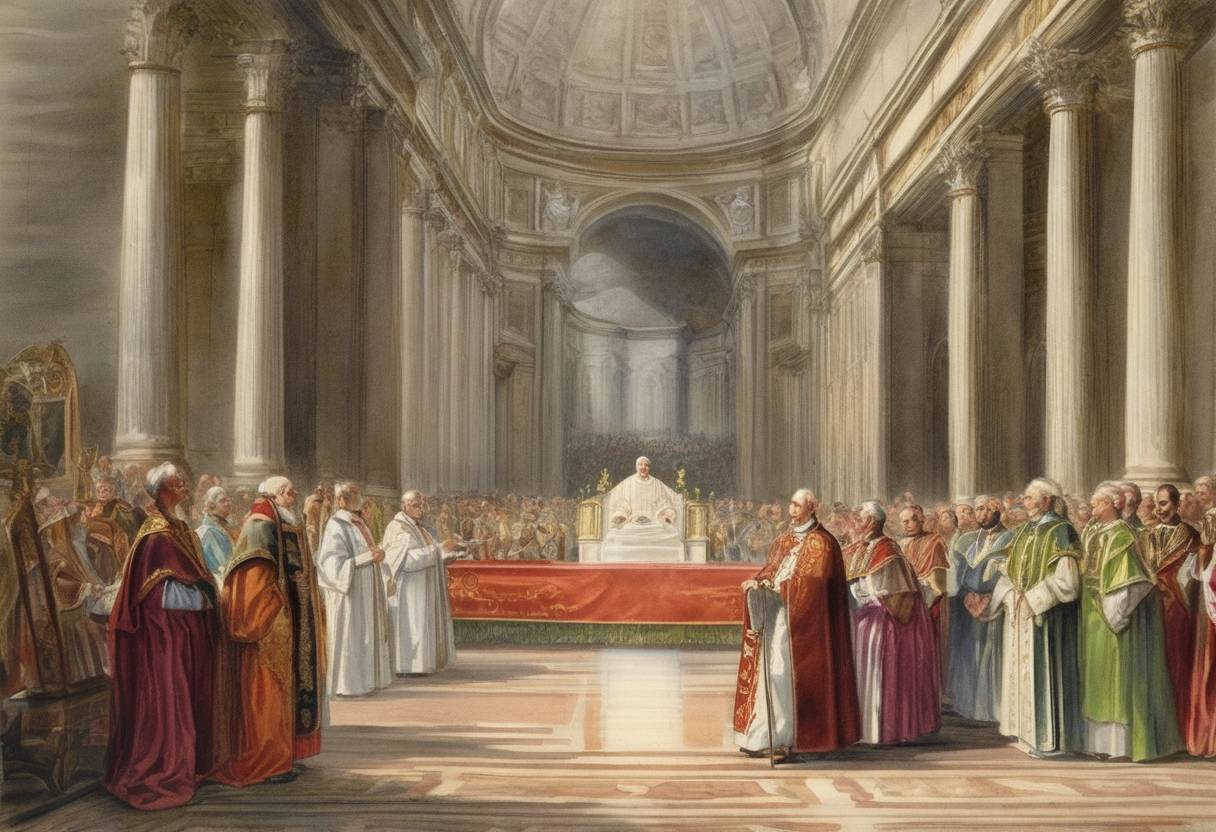
On April 20, 1884, Pope Leo XIII published the encyclical Humanum genus, a significant document that explicitly condemned Freemasonry and reiterated the Catholic Church’s longstanding opposition to the organization. This encyclical was a part of a broader effort by Pope Leo XIII to address what the Church saw as moral and spiritual threats posed by certain modern ideologies and secret societies.
By the late 19th century, Freemasonry had become increasingly influential in various parts of the world, particularly in Europe and the Americas. The Catholic Church had already denounced Freemasonry several times, beginning with Pope Clement XII’s In eminenti apostolatus in 1738, which prohibited Catholics from joining the Masonic order. The Church accused Freemasons of promoting secularism, rationalism, and a moral relativism that was contrary to Catholic teachings.
In Humanum genus, Pope Leo XIII articulated the Church’s concerns about Freemasonry. He described it as a society seeking to undermine both the spiritual and temporal authority of the Church, and fostering an atmosphere of religious indifference. The Pope warned that Freemasonry’s influence could lead to the erosion of Christian values and jeopardize the moral fabric of society.
The encyclical outlined specific grievances, including:
The publication of Humanum genus had several significant impacts:
Humanum genus remains one of the most pivotal documents in the history of the Catholic Church’s relationship with Freemasonry. It reflects the ongoing challenge faced by the Church in navigating the complex realities of modernity and maintaining its doctrinal integrity in the face of secular philosophies. Pope Leo XIII’s encyclical reasserted the Church’s commitment to defending its beliefs and highlighted the critical role of the papacy in guiding Catholics through contemporary moral and spiritual dilemmas.
Source: en.wikipedia.org