Executive Order on Energy Independence: March 28, 2017
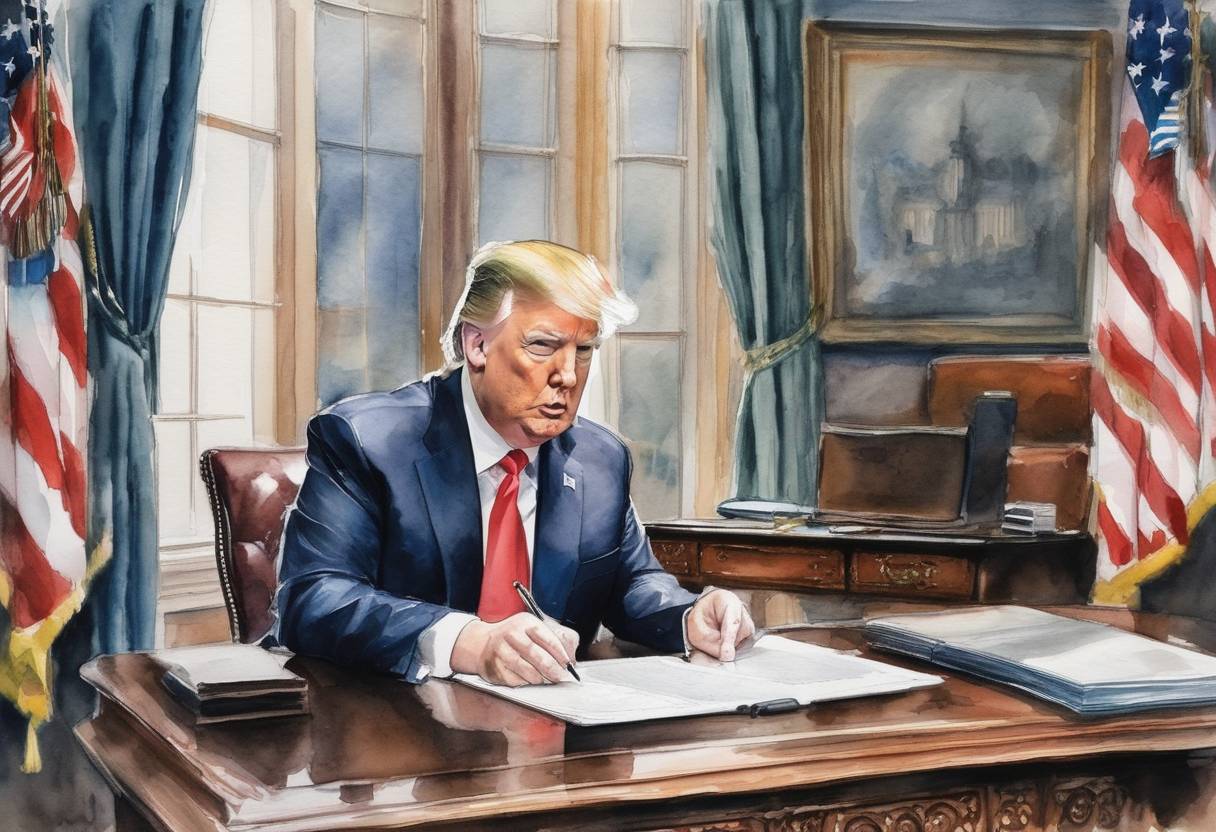
On March 28, 2017, President Donald Trump signed an executive order titled “Promoting Energy Independence and Economic Growth.” This order aimed to dismantle several environmental regulations established during former President Barack Obama’s administration, specifically targeting policies designed to address climate change.
Context and Motivation
The executive order was part of President Trump’s broader agenda to stimulate economic growth, increase American energy production, and reduce regulatory burdens perceived to hinder business and job creation. It resonated with his campaign promises to revive coal mining jobs and boost the fossil fuel industries by removing federal restrictions on energy production.
Key Provisions
Revocation of the Clean Power Plan: The order directed the Environmental Protection Agency (EPA) to review and potentially withdraw the Clean Power Plan (CPP), a signature Obama-era policy that set state-specific carbon emission reduction targets from power plants, with a strong emphasis on transitioning to renewable energy sources.
Lifted Moratorium on Coal Leasing: It lifted the Obama administration’s temporary ban on new coal leases on federal lands, facilitating increased coal extraction.
Reevaluation of Carbon Emission Standards: The order called for the review of restrictions and costs associated with carbon emissions reduction standards imposed on industries, particularly impacting fossil fuel companies.
Rescinded Environmental Protection Strategy: It nullified Executive Order 13653, which focused on preparing the U.S. for the impacts of climate change, and called for revisiting guidance on considering climate change in environmental assessments.
Implications and Reactions
- Economic Impact: Proponents argued that the order would lower energy costs, enhance U.S. energy independence, and support economic interests in fossil fuel-producing states.
- Environmental Concerns: Critics warned about the potential negative impact on environmental protection efforts and the global fight against climate change, highlighting the rollback as a step backward in reducing greenhouse gas emissions.
- Legal and Policy Challenges: Environmental groups and several state attorneys general swiftly condemned the order and announced plans to fight back through legal challenges, claiming that it undermined national and international climate commitments.
Broader Significance
This executive order symbolized a significant shift in U.S. federal climate policy under Trump’s presidency, prioritizing economic growth and energy independence over environmental considerations. It was a departure from the previous administration’s approach, which had positioned the United States as a leader in global climate change mitigation efforts through initiatives like the Paris Agreement. This action laid the groundwork for ongoing debates and challenges regarding climate policy and the balance between economic development and environmental stewardship in the United States.