iPhone 4 Release by Apple Inc. - June 24, 2010
2010 · Cupertino, United States
Apple Inc. released the iPhone 4, which featured a new design and the introduction of the FaceTime video calling feature.
April 3, 2010
Apple Inc. released the first generation iPad, marking a significant milestone in the development of tablet computing.
Cupertino, United States | Apple Inc.
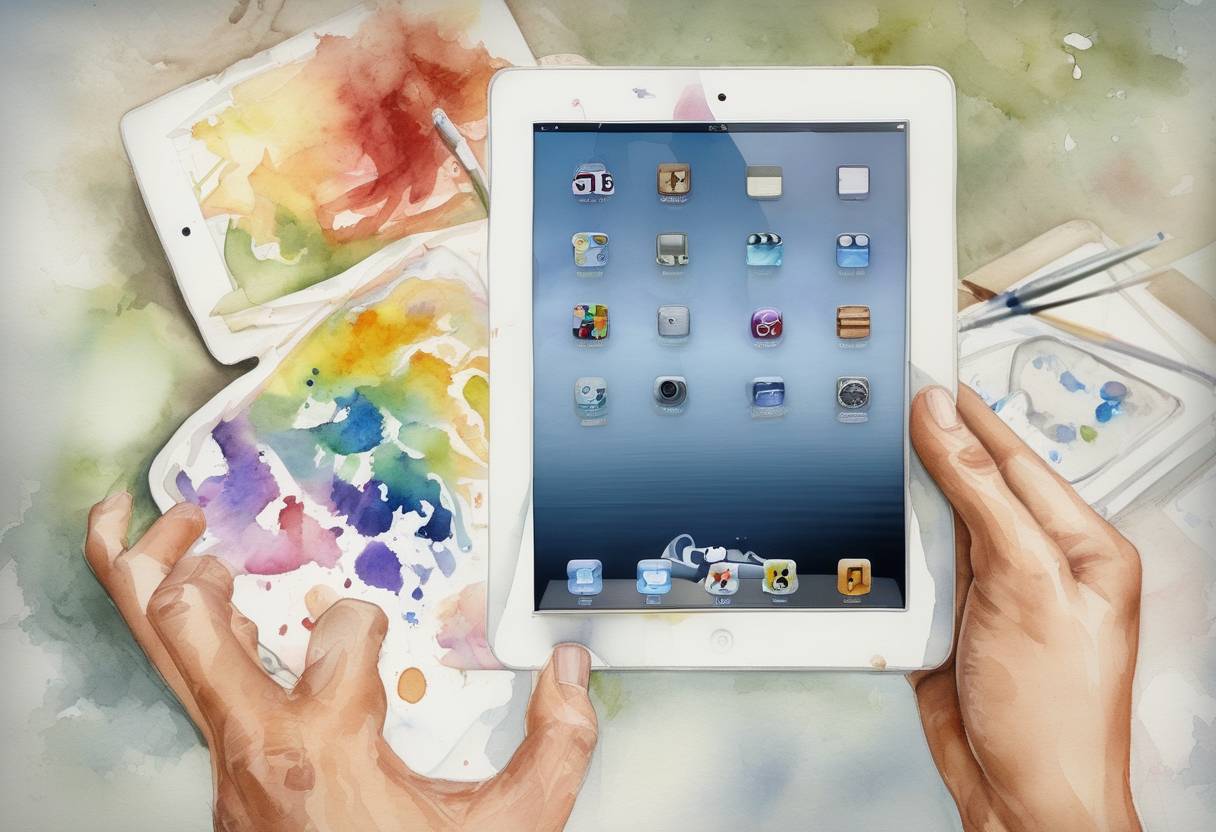
On April 3, 2010, Apple Inc. released the first generation iPad, marking a pivotal moment in the evolution of tablet computing. This launch not only expanded Apple’s product line but also set a new standard for mobile computing devices, influencing the design and functionality of future tablets.
Before the iPad’s release, the concept of tablet computing had been explored by various companies, but none had achieved significant commercial success. Apple’s entry into this market was highly anticipated due to its previous successes with the iPhone and iPod, which had already revolutionized the smartphone and portable music player markets, respectively.
The launch of the iPad was met with significant consumer interest and commercial success. It sold over 300,000 units on its first day and reached over 3 million sales within 80 days. The iPad’s success demonstrated the viability of tablets as a distinct category of personal computing devices, bridging the gap between smartphones and laptops.
The release of the first generation iPad on April 3, 2010, was a landmark event in the history of computing. It not only solidified Apple’s reputation as a leader in innovation but also reshaped the landscape of personal computing, influencing the design and functionality of future devices in the tablet market.
Source: en.wikipedia.org