United Kingdom General Election of December 12, 2019
2019 · London, United Kingdom
The United Kingdom held a general election in which the Conservative Party, led by Boris Johnson, won a significant majority, paving the way for Brexit.
May 24, 2019
British Prime Minister Theresa May announces her resignation as leader of the Conservative Party, effective June 7, amid Brexit negotiations.
London, United Kingdom | Conservative Party
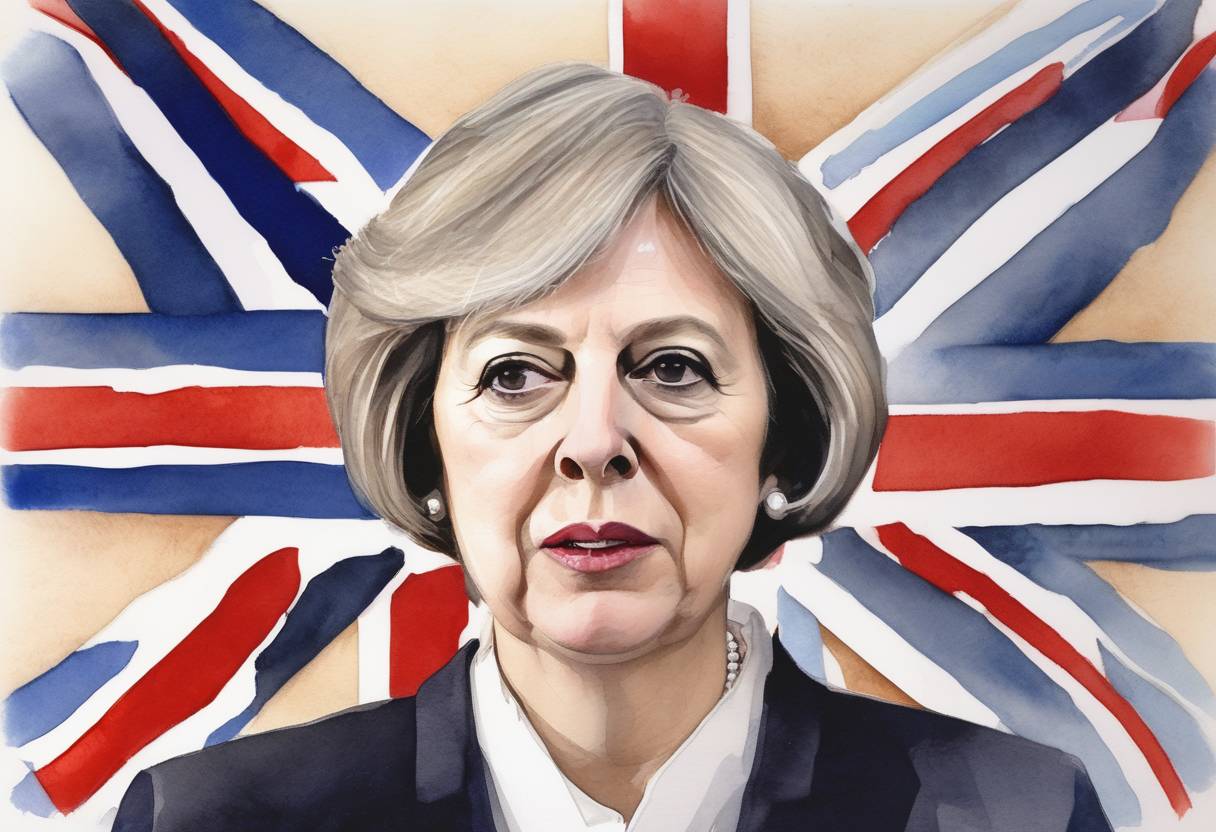
On May 24, 2019, British Prime Minister Theresa May announced her resignation as leader of the Conservative Party, effective June 7, 2019. This decision marked the culmination of a tumultuous period in British politics, primarily dominated by the challenges and complexities of Brexit negotiations.
Theresa May became Prime Minister in July 2016, following the resignation of David Cameron in the wake of the Brexit referendum, where the UK voted to leave the European Union. May was tasked with navigating the UK through the Brexit process, a responsibility that proved to be fraught with political challenges.
Brexit Negotiations: May’s tenure was largely defined by her efforts to secure a Brexit deal that would satisfy both the EU and the various factions within the UK Parliament. Her proposed withdrawal agreements faced significant opposition.
Parliamentary Defeats: May’s Brexit deal was rejected by Parliament three times, with the first defeat in January 2019 being the largest defeat for a sitting government in UK history.
Internal Party Pressure: May faced mounting pressure from within her own Conservative Party, with many members dissatisfied with her handling of Brexit. This internal dissent was compounded by the rise of the Brexit Party, which threatened to siphon off Conservative support.
Cross-Party Talks: In a bid to break the deadlock, May initiated cross-party talks with the Labour Party, which ultimately failed to produce a viable compromise.
In her resignation speech, delivered outside 10 Downing Street, May expressed deep regret at not being able to deliver Brexit. She emphasized her belief in the importance of compromise and her commitment to public service. Her emotional address highlighted her dedication to the country and her acknowledgment of the political realities that necessitated her departure.
Leadership Contest: May’s resignation triggered a leadership contest within the Conservative Party. Boris Johnson, a prominent Brexiteer and former Foreign Secretary, emerged as her successor, taking office on July 24, 2019.
Brexit Developments: Under Johnson’s leadership, the UK eventually left the EU on January 31, 2020, following a renegotiated withdrawal agreement.
Political Legacy: May’s resignation underscored the deep divisions within UK politics over Brexit. Her tenure is often viewed through the lens of these challenges, highlighting the complexities of managing a deeply divided Parliament and public.
Theresa May’s resignation was a pivotal moment in the Brexit saga, reflecting the intense political pressures and the intricate dynamics of UK-EU relations during this period. Her departure set the stage for a new phase in the Brexit process under Boris Johnson’s leadership.
Source: en.wikipedia.org