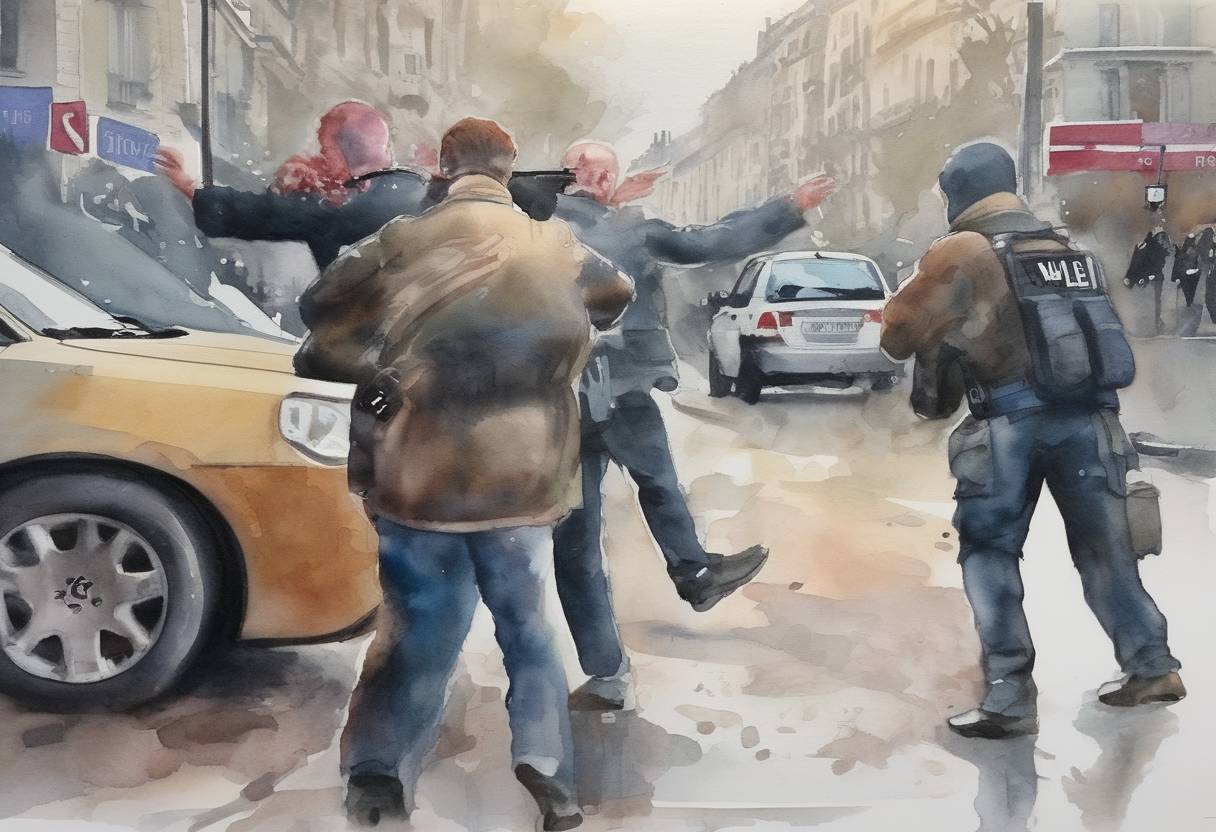
The Charlie Hebdo Shooting and Its Aftermath
On January 7, 2015, the offices of the French satirical magazine Charlie Hebdo in Paris were attacked by two gunmen, resulting in the deaths of 12 people, including prominent cartoonists and editors. This attack was a significant moment in France’s recent history, highlighting issues of freedom of speech, religious extremism, and national security.
The Attack
- Date: January 7, 2015
- Location: Charlie Hebdo offices, Paris, France
- Perpetrators: Brothers Saïd and Chérif Kouachi
- Casualties: 12 people killed, 11 others injured
The Kouachi brothers, armed with assault rifles, stormed the magazine’s office during an editorial meeting. Among the victims were several of France’s most famous cartoonists, including Stéphane “Charb” Charbonnier, Jean “Cabu” Cabut, Georges Wolinski, and Bernard “Tignous” Verlhac. The attackers claimed to be avenging the Prophet Muhammad, as Charlie Hebdo was known for its controversial cartoons depicting religious figures.
The Manhunt and Conclusion
Following the attack, a massive manhunt ensued, involving thousands of French security forces. The Kouachi brothers fled the scene, leading to a tense two-day search.
- Conclusion Date: January 9, 2015
- Location: Dammartin-en-Goële, northeast of Paris
- Outcome: The Kouachi brothers were located and killed by French police after a standoff at a printing facility where they had taken a hostage.
Simultaneously, another gunman, Amedy Coulibaly, who was connected to the Kouachi brothers, took hostages at a kosher supermarket in Paris, resulting in additional casualties before he was also killed by police.
Aftermath and Significance
The Charlie Hebdo attack had profound implications:
Freedom of Speech: The attack sparked global debates about freedom of expression and the limits of satire. Many rallied in support of the magazine, using the slogan “Je suis Charlie” (I am Charlie) to express solidarity.
Security Measures: France heightened its security measures, deploying thousands of troops to protect sensitive sites and increasing surveillance.
Social and Political Impact: The attack intensified discussions on immigration, integration, and the presence of radical Islam in Europe. It also led to increased tensions between different communities within France.
Global Response: The attack prompted widespread international condemnation and solidarity marches, with world leaders joining millions in Paris to honor the victims.
The events surrounding the Charlie Hebdo shooting remain a pivotal moment in contemporary history, illustrating the complex interplay between free speech, security, and multiculturalism in modern societies.