The Massive Blackout of June 22, 2019
2019 · Buenos Aires, Argentina
A massive blackout affected Argentina, Uruguay, and parts of Paraguay, leaving tens of millions of people without power for several hours.
August 18, 2005
Massive power outage in Indonesia affects over 100 million people, making it one of the largest blackouts in history.
Jakarta, Indonesia | Perusahaan Listrik Negara (PLN)
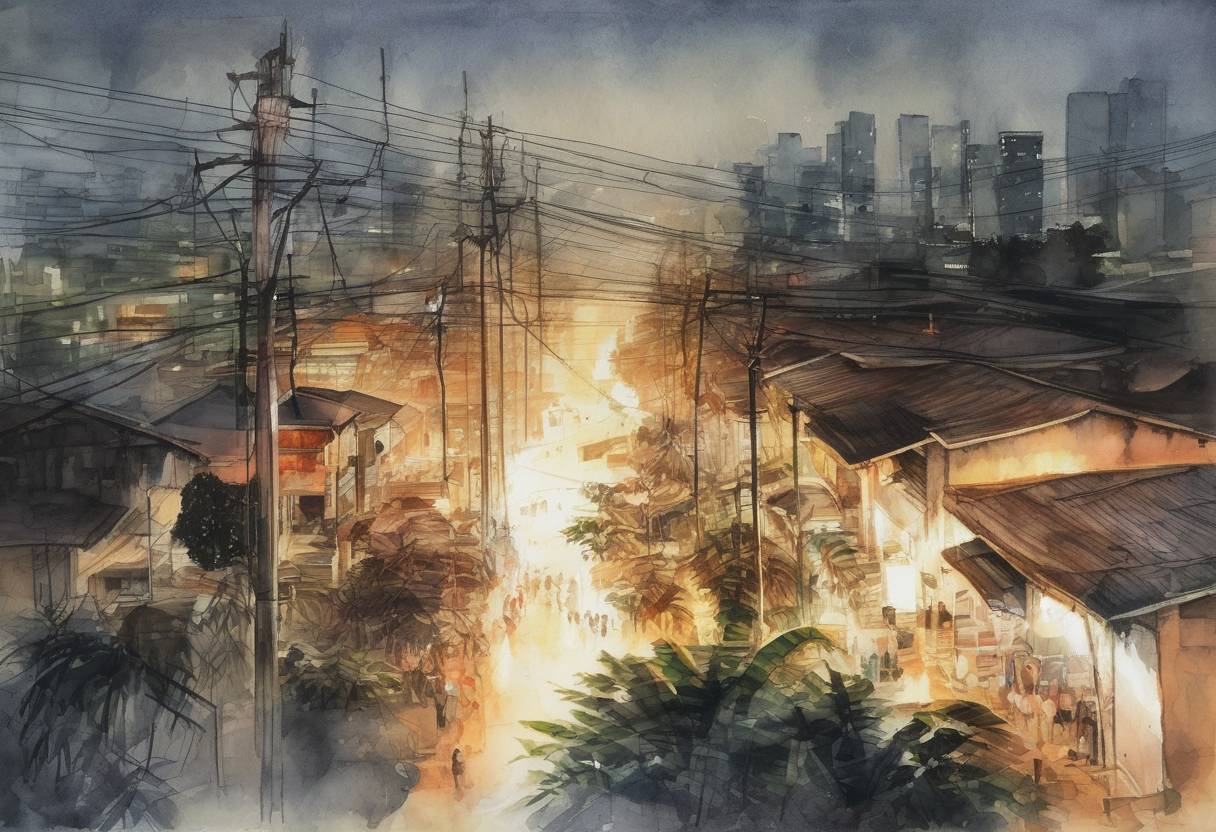
On August 18, 2005, Indonesia experienced one of the largest blackouts in history, affecting over 100 million people. This massive power outage had significant implications for the country, both immediately and in the longer term.
Indonesia, an archipelago with a rapidly growing population and economy, has faced challenges in maintaining a stable and reliable power supply. The state-owned electricity company, Perusahaan Listrik Negara (PLN), has been responsible for managing the country’s electricity distribution. However, the infrastructure has often struggled to keep pace with demand, leading to occasional power shortages and outages.
The blackout on August 18, 2005, was unprecedented in its scale:
The blackout had immediate and widespread effects:
The blackout highlighted several critical issues within Indonesia’s power infrastructure:
The 2005 blackout in Indonesia is remembered as a pivotal moment in the country’s energy history. It served as a wake-up call for both the government and the public regarding the vulnerabilities of the national power grid. The event also contributed to a broader global conversation about energy security and the challenges faced by developing nations in meeting growing energy demands.
In conclusion, the massive power outage on August 18, 2005, was a significant event in Indonesia’s history, highlighting the critical need for infrastructure development and energy policy reform.
Source: www.theguardian.com