The First Issue of Rolling Stone Magazine: November 9, 1967
1967 · San Francisco, United States
The first issue of Rolling Stone magazine is published, becoming a significant influence in American popular culture and music journalism.
May 20, 1873
Levi Strauss and Jacob Davis received a U.S. patent for blue jeans with copper rivets, marking the birth of the iconic American garment.
San Francisco, United States | Levi Strauss & Co.
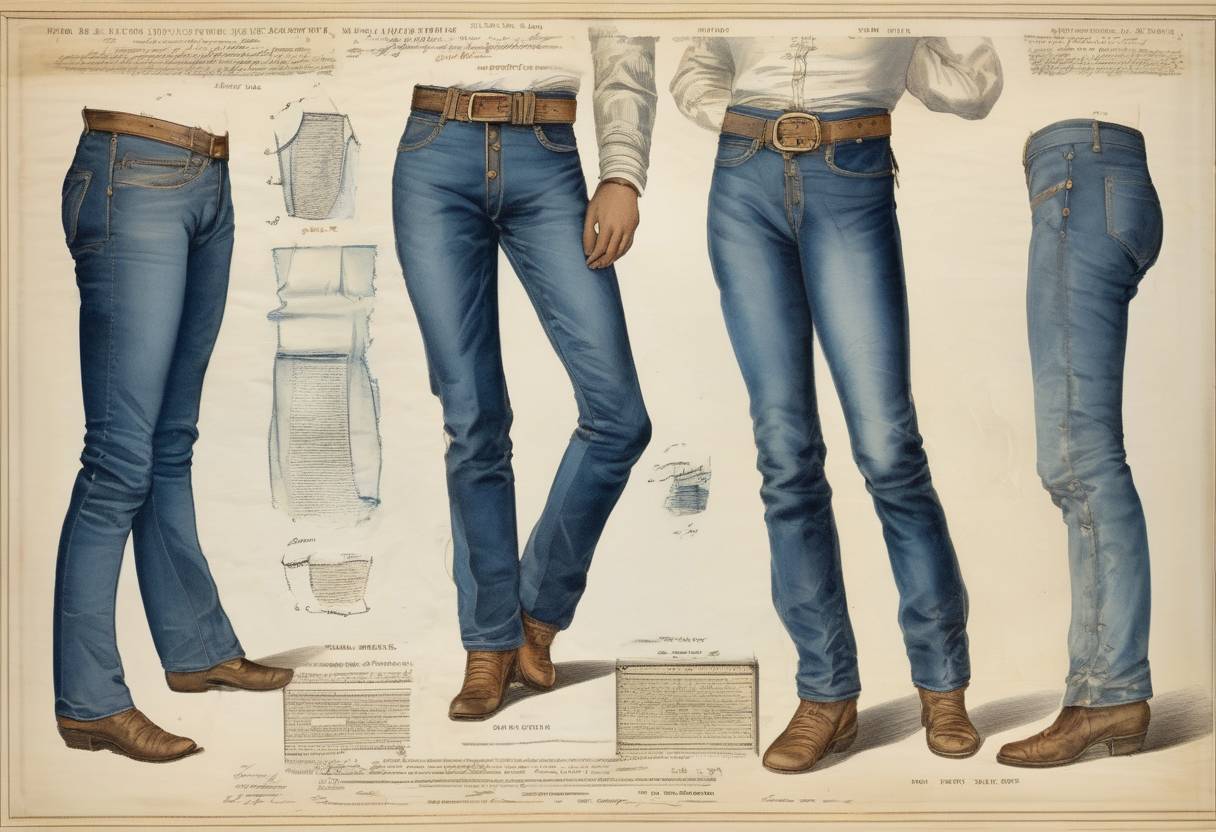
On May 20, 1873, a pivotal moment in fashion and industrial history occurred when Levi Strauss and Jacob Davis were granted a U.S. patent for an “Improvement in Fastening Pocket-Openings.” This patent, numbered 139,121, marked the official birth of blue jeans, a garment that would become an enduring symbol of American culture and practicality.
Levi Strauss, a Bavarian immigrant, arrived in San Francisco during the California Gold Rush. Initially, he operated a dry goods business, supplying miners and settlers with essential items. His business acumen and understanding of the needs of the working class positioned him well for future innovations.
Jacob Davis, a tailor from Reno, Nevada, frequently purchased fabric from Strauss’s wholesale business. Davis was known for his inventive approach to garment construction, particularly in reinforcing stress points on trousers.
Miners and laborers of the time required durable clothing that could withstand the rigors of their work. Traditional trousers often tore at the seams and pockets due to heavy use.
Jacob Davis devised a method to strengthen trousers by using copper rivets to reinforce the pockets and other points of strain. Recognizing the potential of this innovation, Davis approached Strauss to partner in patenting the idea, as he lacked the financial resources to do so alone.
On May 20, 1873, the U.S. Patent Office granted Strauss and Davis the patent for their riveted trousers. This patent laid the foundation for what would become the modern blue jean. The use of rivets significantly increased the durability of the pants, making them highly popular among workers.
The design and fabric of blue jeans have evolved, but the fundamental concept of durability and style remains unchanged. Today, jeans are a ubiquitous element of global fashion, worn by people of all ages and backgrounds.
The patent granted to Levi Strauss and Jacob Davis on May 20, 1873, was more than just a legal document; it was the inception of a garment that would become an integral part of American identity and a global fashion phenomenon. The innovation of using copper rivets not only addressed a practical need but also set the stage for the evolution of casual wear as we know it today.
Source: en.wikipedia.org