Mississippi Admitted as the 20th State of the United States on December 10, 1817
1817 · Washington, D.C., United States
Mississippi was admitted as the 20th state of the United States of America.
March 1, 1803
Ohio was admitted as the 17th state of the United States, although the official act of Congress recognizing the date was not passed until 1953.
Chillicothe, United States | United States Congress
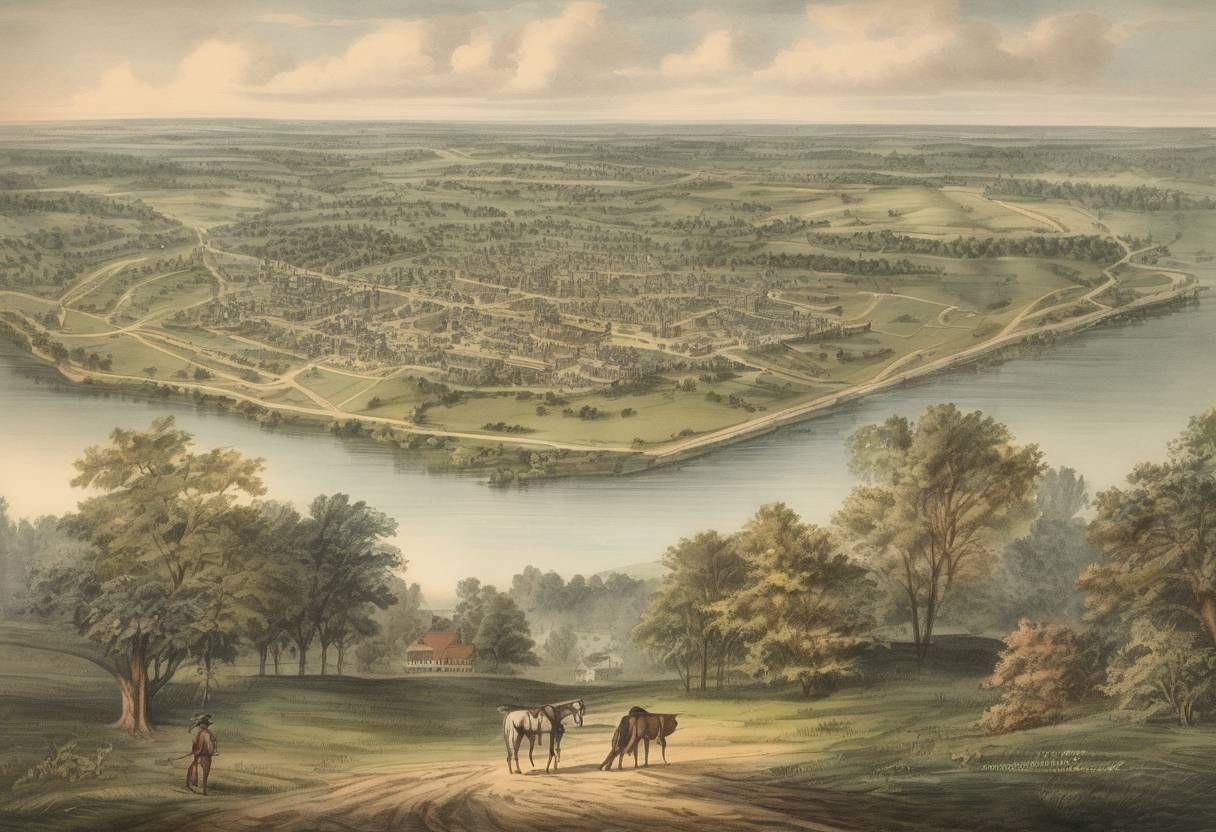
Ohio’s journey to statehood began in the late 18th century as part of the Northwest Territory, which was established by the Northwest Ordinance of 1787. This ordinance provided a structured process for territories to transition into states, setting a precedent for the expansion of the United States. The area that would become Ohio was initially settled by pioneers and was part of a region that saw rapid growth in population due to fertile land and strategic location.
On March 1, 1803, Ohio was admitted as the 17th state of the United States. This date marks when the Ohio General Assembly convened for the first time, effectively functioning as the state government. However, at the time, there was no formal act of Congress explicitly declaring Ohio’s statehood, which was a procedural oversight rather than a deliberate omission.
The lack of a formal congressional declaration was rectified much later. In 1953, during the 150th anniversary of Ohio’s statehood, Congress passed a retroactive act officially recognizing March 1, 1803, as the date of Ohio’s admission to the Union. This act was signed by President Dwight D. Eisenhower on August 7, 1953, ensuring that Ohio’s statehood was formally acknowledged in the historical record.
Ohio’s admission as a state was significant for several reasons:
Ohio’s admission to the United States exemplifies the evolving process of statehood in the early republic. The retroactive congressional act of 1953 highlights the importance of formal recognition in the historical narrative of the United States. Ohio’s statehood not only expanded the Union but also contributed significantly to the political, economic, and cultural development of the nation.
Source: en.wikipedia.org