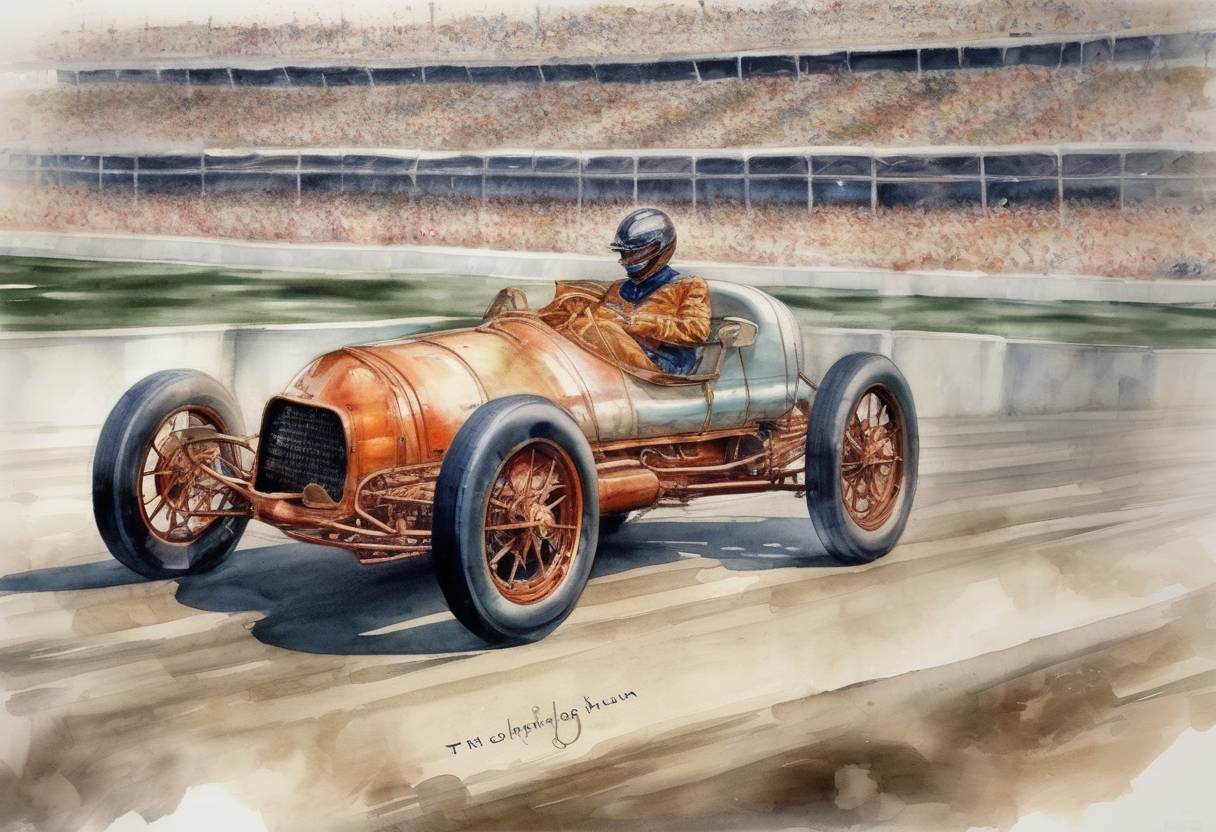
The Inaugural Indianapolis 500: May 30, 1911
The Indianapolis 500, often referred to as the “Indy 500,” is one of the most prestigious automobile races in the world. The inaugural race was held on May 30, 1911, at the Indianapolis Motor Speedway in Indiana, marking a significant milestone in the history of motorsports.
Background
- Indianapolis Motor Speedway: The speedway was constructed in 1909 by Carl G. Fisher, James A. Allison, Arthur C. Newby, and Frank H. Wheeler. It was designed to be a testing ground for the burgeoning automobile industry and quickly became a venue for racing events.
- Concept of the 500-mile Race: The idea for a 500-mile race was conceived to attract more attention and larger crowds. The race was intended to be a test of endurance and speed, showcasing the capabilities of both drivers and their machines.
The 1911 Race
- Date: May 30, 1911
- Distance: 500 miles, consisting of 200 laps around the 2.5-mile oval track.
- Participants: The race featured 40 cars, a significant number for the time, highlighting the growing interest in automobile racing.
Key Highlights
- Winner: Ray Harroun, driving a Marmon Wasp, won the inaugural race. He completed the 500 miles in 6 hours, 42 minutes, and 8 seconds, with an average speed of approximately 74.59 mph.
- Innovations: Harroun’s Marmon Wasp was notable for its use of a rearview mirror, a novel innovation at the time. This allowed Harroun to race without a riding mechanic, who traditionally served as a spotter for other cars.
- Prize: Harroun received a prize of $14,250, a substantial sum in 1911, reflecting the race’s prestige and the growing commercial interest in motorsports.
Significance
- Cultural Impact: The success of the first Indianapolis 500 established it as an annual event, eventually becoming a cornerstone of American motorsport culture.
- Technological Advancements: The race encouraged innovation in automotive technology, as manufacturers and drivers sought to improve performance and reliability.
- Legacy: Over the years, the Indy 500 has become a symbol of racing excellence, attracting top drivers and teams from around the world and contributing to the development of the Indianapolis Motor Speedway as a historic racing venue.
The inaugural Indianapolis 500 set the stage for over a century of racing tradition, making it a key event in the history of motorsports.