The Coronation of Queen Elizabeth II
1953 · London, United Kingdom
Queen Elizabeth II is crowned in Westminster Abbey, London, marking the beginning of her reign.
February 8, 1960
Queen Elizabeth II of the United Kingdom issued an Order-in-Council, stating that she and her family would be known as the House of Windsor, and that her descendants would bear the name Mountbatten-Windsor.
London, United Kingdom | British Monarchy
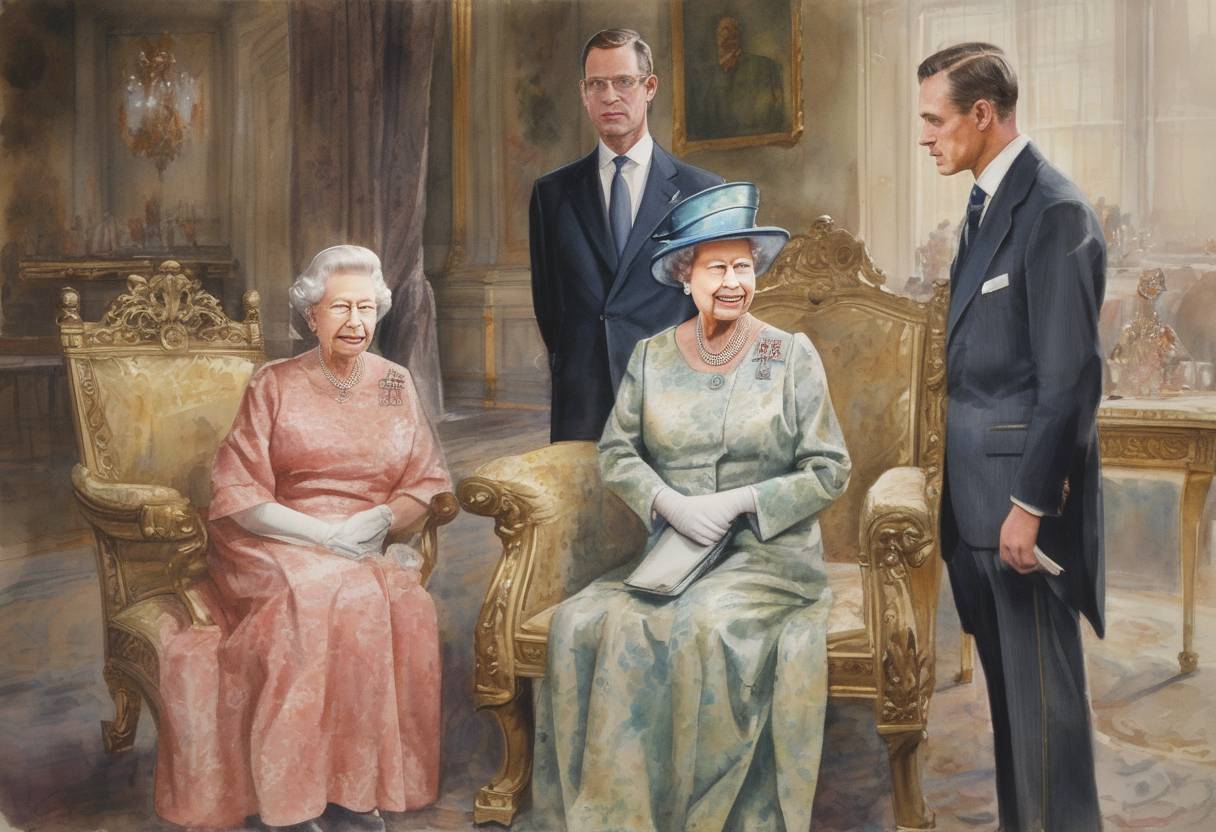
On February 8, 1960, Queen Elizabeth II issued an Order-in-Council that had significant implications for the British royal family’s surname. This decision was a pivotal moment in the history of the British monarchy, reflecting both tradition and the evolving nature of the royal family.
The House of Windsor was established in 1917 by King George V, during World War I, as a response to anti-German sentiment in the United Kingdom. The royal family, originally known by the German name of Saxe-Coburg and Gotha, adopted the more Anglicized name of Windsor. This change was part of a broader effort to distance the monarchy from its German roots during a time of national conflict.
By 1960, Queen Elizabeth II, who ascended to the throne in 1952, sought to address the issue of her descendants’ surname. Her husband, Prince Philip, Duke of Edinburgh, was born into the House of Schleswig-Holstein-Sonderburg-Glücksburg, a branch of the Danish royal family, and had adopted the surname Mountbatten, an Anglicized version of his maternal grandparents’ name, Battenberg.
The Order-in-Council declared that while the royal family would continue to be known as the House of Windsor, the personal surname of her descendants, when required, would be Mountbatten-Windsor. This decision was a compromise that honored both the Queen’s and Prince Philip’s family names.
The Order-in-Council of 1960 was significant for several reasons:
Preservation of Tradition: It maintained the House of Windsor as the official name of the royal family, preserving the legacy established by King George V.
Recognition of Prince Philip: By incorporating Mountbatten into the surname, the order acknowledged Prince Philip’s lineage and his role within the royal family.
Modernization of the Monarchy: The decision reflected a modern approach to royal naming conventions, accommodating the realities of a changing society and the personal identities of the royal family members.
The surname Mountbatten-Windsor is used by some members of the royal family, particularly those who do not hold royal titles. For example, Prince Harry and Meghan Markle’s children, Archie and Lilibet, use the surname Mountbatten-Windsor.
The 1960 Order-in-Council exemplifies the balance between tradition and adaptation that has characterized the British monarchy throughout its history. It underscores the monarchy’s ability to evolve while maintaining its historical roots, ensuring its continued relevance in the modern era.
Source: en.wikipedia.org