Viktor Yanukovych's Inauguration as President of Ukraine
2010 · Kyiv, Ukraine
Viktor Yanukovych is inaugurated as President of Ukraine, marking a significant political shift in the country.
February 3, 2005
The Constitutional Court of Ukraine invalidates the results of the 2004 presidential election, leading to a re-run of the election and the eventual victory of Viktor Yushchenko.
Kyiv, Ukraine | Constitutional Court of Ukraine
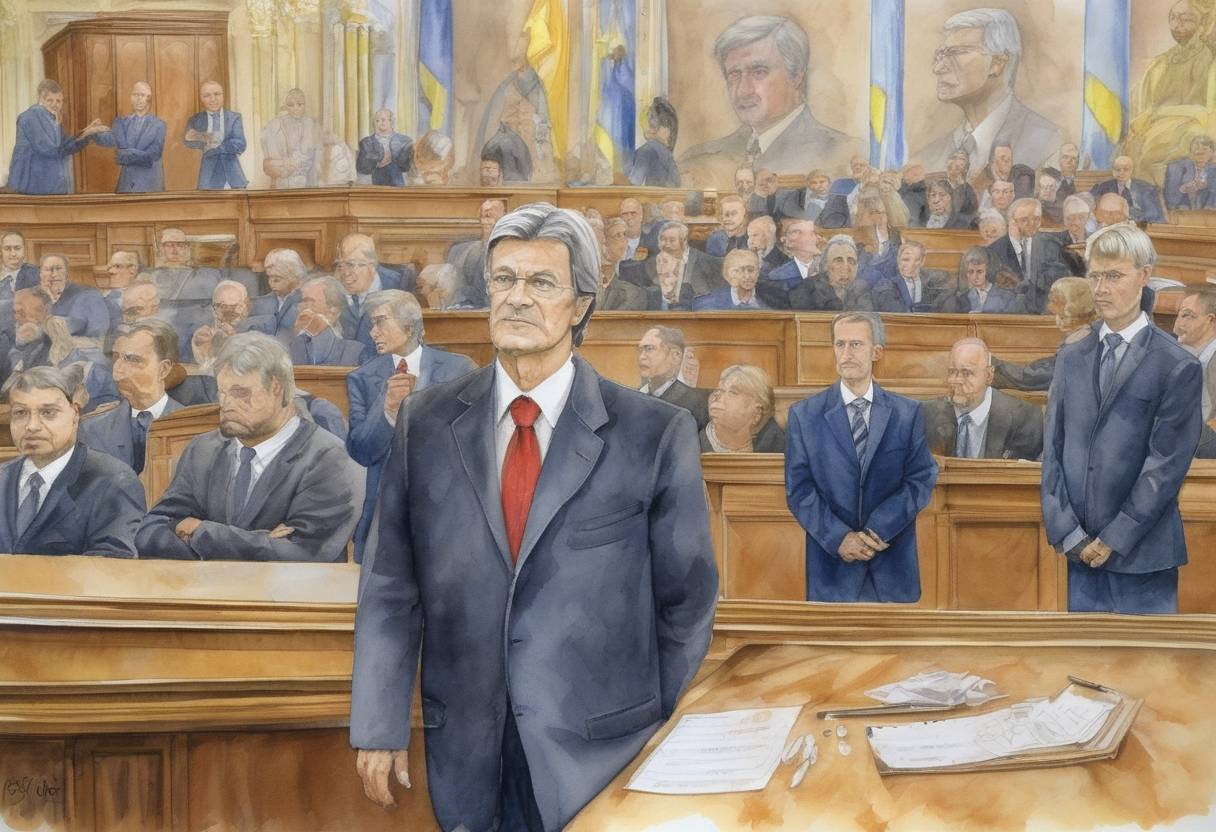
The 2004 presidential election in Ukraine was a pivotal moment in the country’s post-Soviet history. The election was primarily contested between Viktor Yanukovych, the then Prime Minister, and Viktor Yushchenko, a pro-Western reformist candidate. The election was marred by widespread allegations of electoral fraud, particularly during the second round of voting held on November 21, 2004.
The fraudulent election results sparked massive public protests, known as the Orange Revolution, named after Yushchenko’s campaign color. These protests were characterized by peaceful demonstrations, civil disobedience, and strikes, with hundreds of thousands of Ukrainians gathering in Kyiv’s Independence Square and other cities to demand a fair election.
On December 3, 2004, the Supreme Court of Ukraine, not the Constitutional Court, played a crucial role by invalidating the results of the runoff election due to the extensive evidence of electoral fraud. This decision was unprecedented and marked a significant victory for the protestors. The court ordered a re-run of the second round of the election to be held on December 26, 2004.
The re-run of the election was conducted under intense international scrutiny to ensure fairness and transparency. Viktor Yushchenko emerged victorious in the re-run, securing approximately 52% of the vote compared to Yanukovych’s 44%. Yushchenko’s victory was seen as a triumph for democratic reform and a move towards greater integration with Western Europe.
Yushchenko was inaugurated as President of Ukraine on January 23, 2005. His presidency marked a shift in Ukrainian politics, emphasizing democratic reforms, anti-corruption measures, and a pro-European Union foreign policy.
The events surrounding the 2004 presidential election and the Orange Revolution had a profound impact on Ukraine’s political landscape. They demonstrated the power of civic activism and the importance of judicial independence in upholding democratic principles. The revolution also highlighted the geopolitical struggle between Western influences and Russian interests in Ukraine, a theme that continues to shape the country’s politics.
In summary, the invalidation of the 2004 presidential election results by Ukraine’s Supreme Court and the subsequent re-run were critical in shaping Ukraine’s democratic trajectory and aligning it more closely with Western ideals.
Source: www.britannica.com