The 27th Amendment to the United States Constitution
1992 · Washington, D.C., United States
The 27th Amendment to the United States Constitution, which deals with congressional pay raises, was ratified after being proposed over 200 years earlier.
March 28, 1990
President George H. W. Bush posthumously awarded Jesse Owens the Congressional Gold Medal, recognizing his achievements and contributions to athletics and civil rights.
Washington, D.C., United States | U.S. Congress
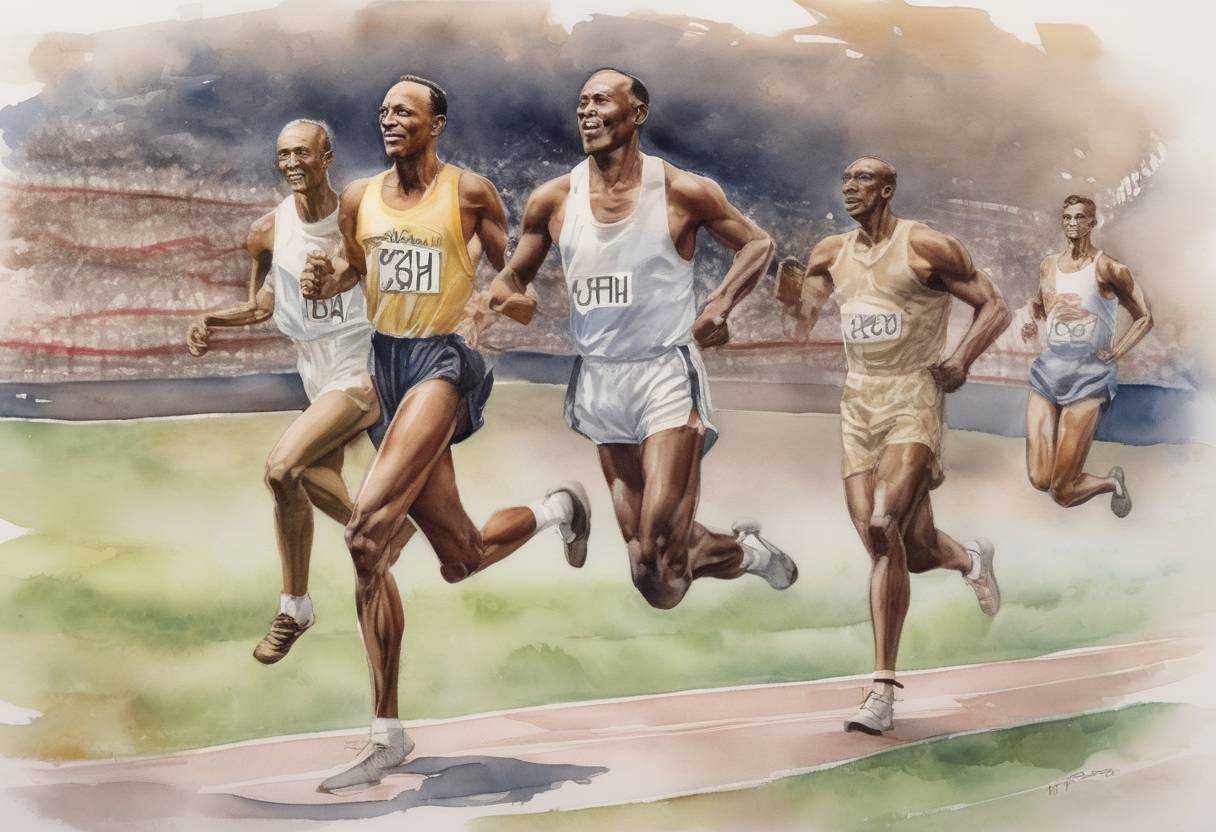
On March 28, 1990, President George H. W. Bush posthumously awarded Jesse Owens the Congressional Gold Medal, one of the highest civilian honors in the United States. This recognition celebrated Owens’ extraordinary achievements in athletics and his significant contributions to civil rights.
Jesse Owens, born on September 12, 1913, in Oakville, Alabama, rose to international fame during the 1936 Berlin Olympics. At a time when Adolf Hitler intended to showcase Aryan supremacy, Owens, an African American athlete, won four gold medals in track and field events. His victories in the 100 meters, 200 meters, long jump, and 4x100 meter relay not only challenged racial stereotypes but also delivered a powerful statement against the Nazi ideology.
The Congressional Gold Medal is awarded to individuals who have performed an achievement that has an impact on American history and culture. Owens’ athletic prowess and his role in breaking racial barriers made him a deserving recipient. His success in the 1936 Olympics served as an inspiration for future generations, highlighting the importance of equality and perseverance.
Civil Rights Impact: Owens’ triumphs were more than just athletic achievements; they were a significant cultural moment that contributed to the civil rights movement. His success challenged the prevailing racial prejudices of the time and paved the way for future African American athletes.
Posthumous Recognition: Owens passed away on March 31, 1980. The posthumous awarding of the Congressional Gold Medal in 1990 was a testament to his enduring legacy and the impact he had on both sports and society.
Broader Historical Significance: The award highlighted the ongoing struggle for racial equality in the United States and underscored the role of sports as a platform for social change.
Jesse Owens’ receipt of the Congressional Gold Medal in 1990 was a fitting tribute to a man whose life and achievements transcended sports. It recognized his role in challenging racial discrimination and his lasting influence on American culture and civil rights. President George H. W. Bush’s decision to honor Owens posthumously reaffirmed the nation’s appreciation for his contributions and the enduring power of his legacy.
Source: en.wikipedia.org