Russia's Annexation of Ukrainian Regions on September 30, 2022
2022 · Moscow, Russia
Russia formally annexed four Ukrainian regions following referendums widely condemned as illegal by the international community.
March 1, 2014
Russia's parliament approved the use of military force in Ukraine, leading to the annexation of Crimea.
Moscow, Russia | Russian Federation
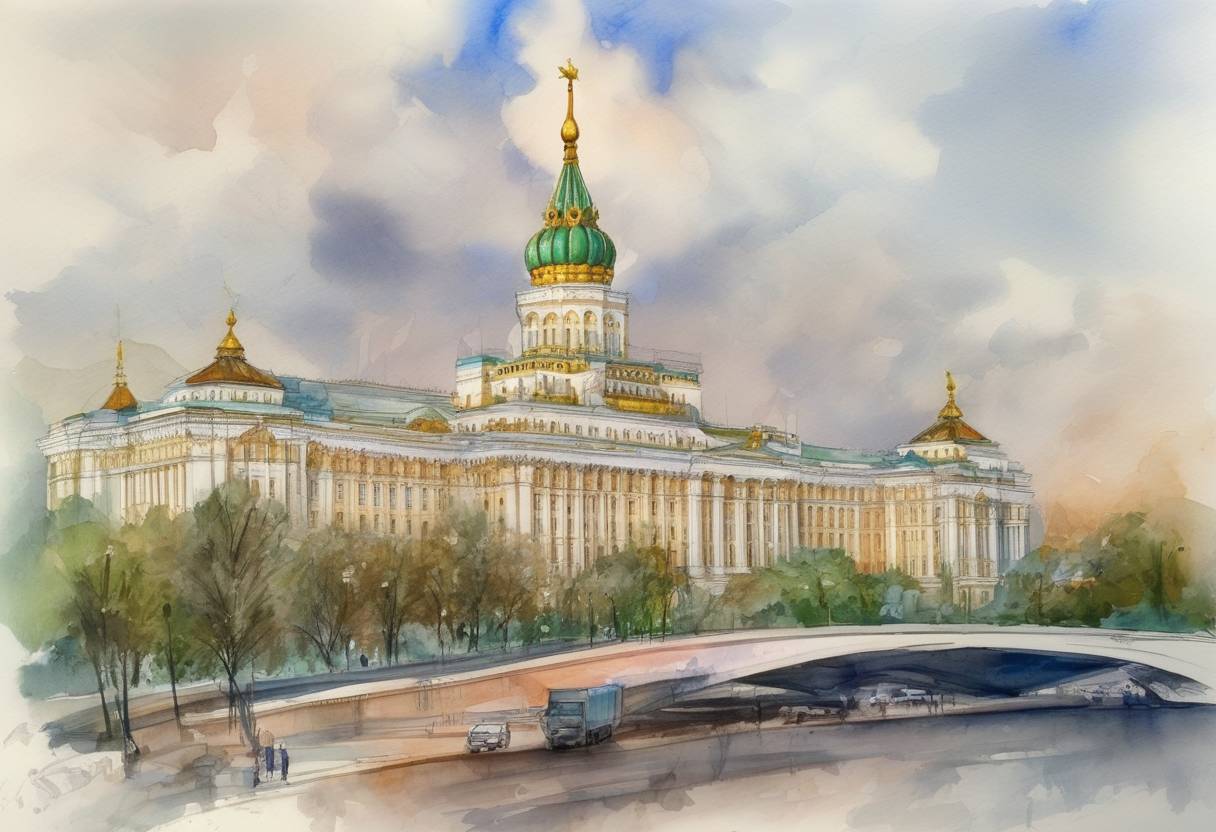
On March 1, 2014, a significant and contentious decision was made by Russia’s parliament, which set the stage for the annexation of Crimea. This event marked a pivotal moment in the ongoing crisis between Russia and Ukraine, with far-reaching implications for international relations and regional stability.
Euromaidan Protests: The backdrop to this decision was the Euromaidan protests in Ukraine, which began in November 2013. These protests were sparked by then-President Viktor Yanukovych’s decision to suspend an association agreement with the European Union, opting instead for closer ties with Russia. The protests eventually led to Yanukovych fleeing Ukraine in February 2014.
Political Vacuum: Following Yanukovych’s departure, Ukraine experienced a political vacuum and instability. This period of uncertainty was marked by tensions between pro-European and pro-Russian factions within Ukraine.
Crimea’s Strategic Importance: Crimea, with its majority ethnic Russian population and strategic location on the Black Sea, held significant geopolitical importance for Russia. The region was home to Russia’s Black Sea Fleet, based in Sevastopol.
Request for Military Intervention: On March 1, Russian President Vladimir Putin submitted a request to the Federation Council, the upper house of the Russian parliament, seeking approval to use military force in Ukraine. The stated purpose was to protect Russian citizens and military personnel in Crimea.
Parliamentary Approval: The Federation Council swiftly approved Putin’s request, granting him the authority to deploy Russian troops in Ukraine. This decision effectively paved the way for military intervention in Crimea.
Annexation of Crimea: Following the parliamentary approval, Russian forces moved into Crimea, and by March 18, 2014, Russia formally annexed the region after a controversial referendum. The referendum, which was not recognized by Ukraine or the international community, claimed overwhelming support for joining Russia.
International Response: The annexation of Crimea was widely condemned by the international community. The United States, the European Union, and other countries imposed economic sanctions on Russia, targeting key sectors and individuals.
Ongoing Conflict: The events of March 1, 2014, and the subsequent annexation of Crimea have led to ongoing conflict in Eastern Ukraine, with pro-Russian separatists clashing with Ukrainian forces. The situation has resulted in a protracted and unresolved conflict, with periodic escalations.
Geopolitical Tensions: The annexation of Crimea and the conflict in Eastern Ukraine have significantly strained relations between Russia and Western countries, leading to a new era of geopolitical tensions reminiscent of the Cold War.
Impact on International Law: The events raised critical questions about international law, sovereignty, and the principles of territorial integrity, challenging the post-World War II international order.
In summary, the approval of military force by Russia’s parliament on March 1, 2014, was a decisive moment that led to the annexation of Crimea and reshaped the geopolitical landscape in Eastern Europe. The repercussions of this decision continue to influence international relations and regional dynamics to this day.
Source: www.bbc.com