Economic Growth and Tax Relief Reconciliation Act of 2001
2001 · Washington, D.C., United States
The United States Senate passes the Economic Growth and Tax Relief Reconciliation Act of 2001, which includes significant tax cuts.
October 11, 1991
The confirmation hearings for Supreme Court Justice nominee Clarence Thomas, marked by Anita Hill's testimony alleging sexual harassment, took place, causing a national debate on the topic.
Washington, D.C., United States | United States Senate
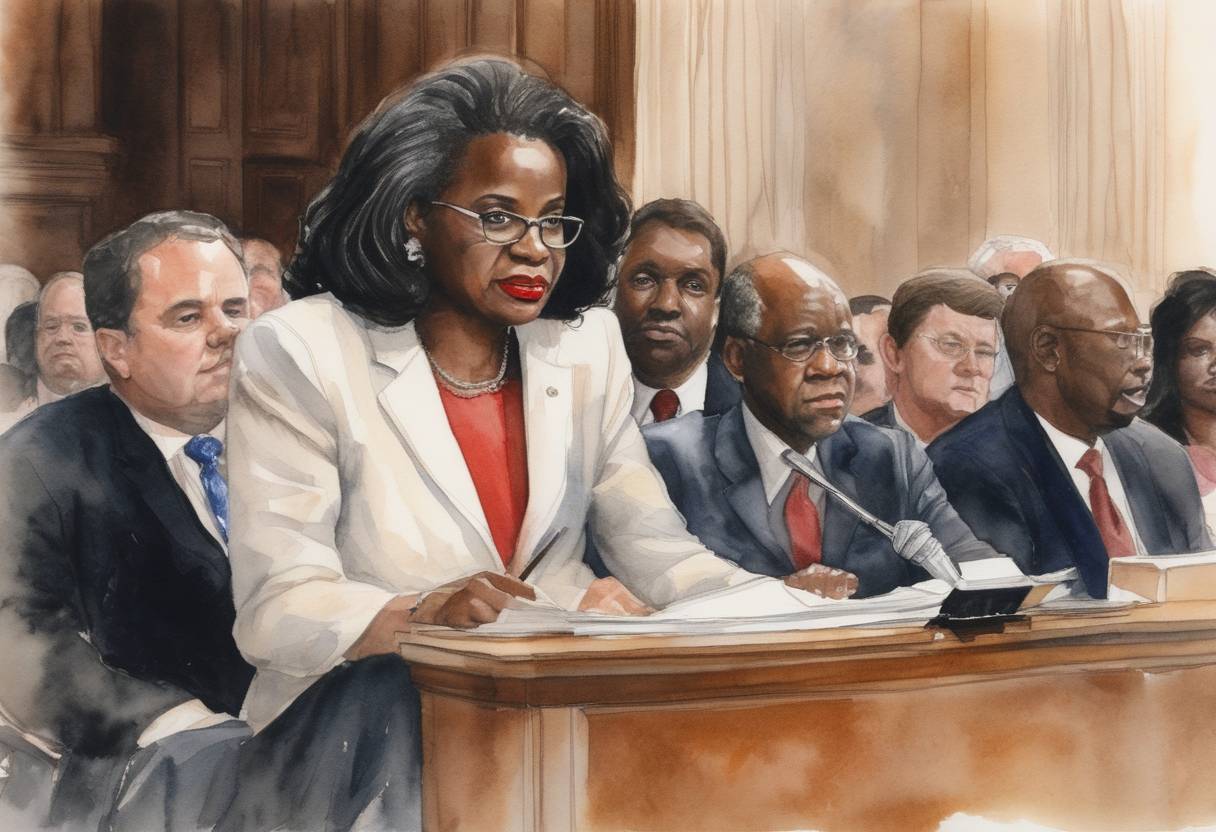
On October 11, 1991, the confirmation hearings for Supreme Court Justice nominee Clarence Thomas took a dramatic turn with the testimony of Anita Hill. Hill, a law professor at the University of Oklahoma, appeared before the Senate Judiciary Committee to allege that Thomas had sexually harassed her when he was her supervisor at the Department of Education and the Equal Employment Opportunity Commission in the early 1980s.
Clarence Thomas, nominated by President George H. W. Bush to replace retiring Justice Thurgood Marshall, faced a contentious confirmation process. Initially, the hearings progressed typically, but they were reopened when an FBI report on Hill’s allegations was leaked to the media, sparking intense public and political interest.
Anita Hill’s Allegations: Hill testified in detail, claiming that Thomas had made numerous unsolicited sexual advances and inappropriate comments during her tenure. Her statements included descriptions of graphic sexual discussions that she alleged took place between 1981 and 1983.
Public Reaction: Hill’s testimony was broadcast live across the nation, drawing significant media attention and sparking widespread public debate about sexual harassment in the workplace.
The Senators on the Judiciary Committee, comprised of an all-male panel, questioned Hill over several days. Their demeanor and lines of questioning prompted criticism from many sectors, perceived as dismissive and out-of-touch with the complexities of sexual harassment issues.
Despite the controversy and the high-profile nature of Hill’s testimony, the Senate ultimately confirmed Clarence Thomas to the Supreme Court by a narrow margin of 52-48 on October 15, 1991. The hearings had a lasting impact, raising awareness of sexual harassment and gender equality issues in America.
Increased Awareness: The hearings played a pivotal role in elevating the national conversation about workplace harassment, contributing to the development of more rigorous policies against sexual harassment in both public and private sectors.
Political and Social Repercussions: The treatment of Anita Hill was a significant factor in the surge of women elected to Congress in 1992, often referred to as the “Year of the Woman.”
The events of October 11, 1991, marked a turning point in public discourse on sexual harassment and have continued to influence how such issues are addressed in the United States.
Source: www.senate.gov