Assassination of Czar Alexander II of Russia
1881 · Saint Petersburg, Russia
Czar Alexander II of Russia was assassinated in Saint Petersburg by members of the revolutionary group Narodnaya Volya, leading to increased repression under his successor.
March 23, 1801
Tsar Paul I of Russia was assassinated in his bedroom at St. Michael's Castle, St. Petersburg.
St. Petersburg, Russia | None
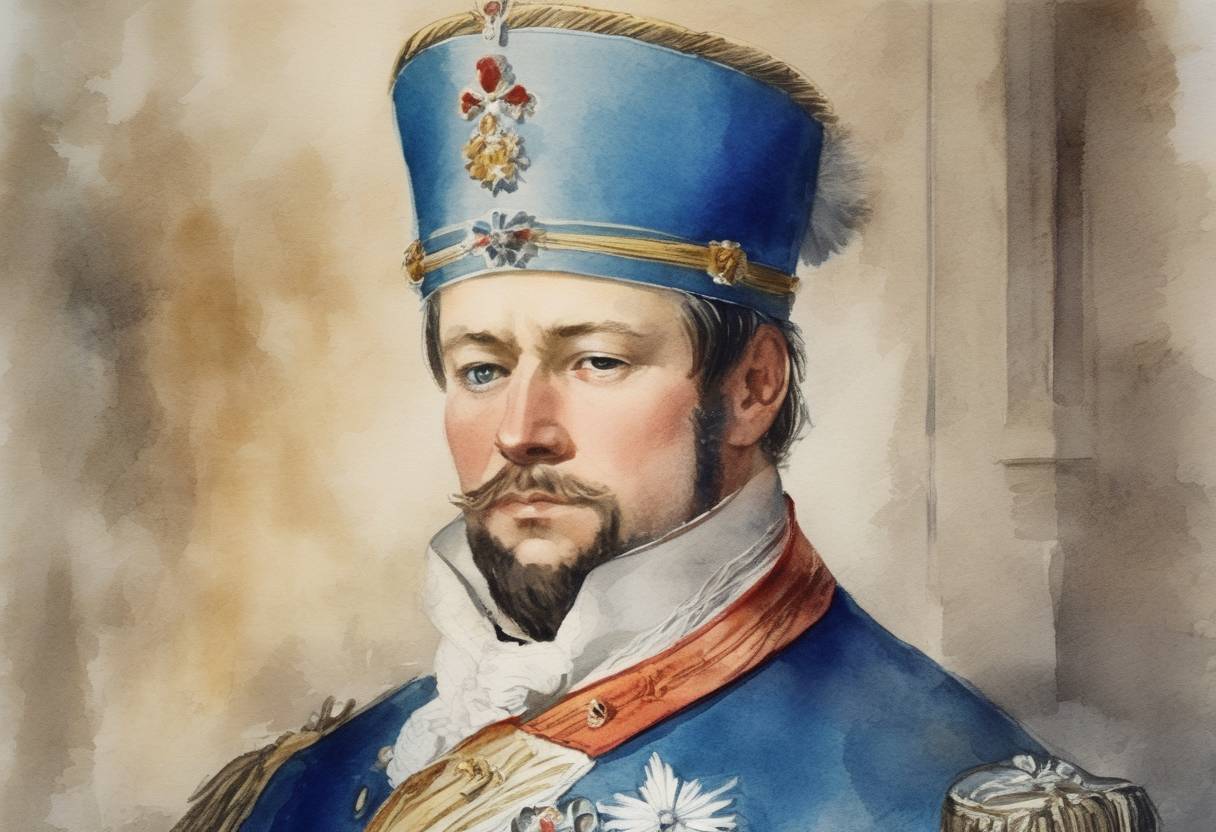
On March 23, 1801, Tsar Paul I of Russia was assassinated in his bedroom at St. Michael’s Castle in St. Petersburg. This event marked a significant turning point in Russian history, as it led to the ascension of his son, Alexander I, to the throne.
Paul I became Emperor of Russia in 1796, following the death of his mother, Catherine the Great. His reign was characterized by a series of controversial and often erratic policies that alienated many segments of Russian society, including the nobility, military, and even his own family. Paul sought to centralize power and reform the Russian military and administration, but his methods were often seen as capricious and authoritarian.
Military Reforms: Paul I’s attempts to reform the military, including the introduction of Prussian-style discipline, were unpopular among the Russian officers, who were accustomed to a more relaxed approach.
Noble Discontent: His policies often undermined the privileges of the nobility, leading to widespread dissatisfaction among the aristocracy.
Foreign Policy: Paul’s foreign policy decisions, such as his abrupt withdrawal from the Second Coalition against Napoleonic France and his plans to invade British India, were seen as erratic and destabilizing.
Personal Behavior: Paul’s unpredictable behavior and paranoia further isolated him from his advisors and family, creating an environment ripe for conspiracy.
The assassination was orchestrated by a group of disaffected nobles and military officers. The conspirators, including Count Peter von der Pahlen, General Leonty Leontyevich Bennigsen, and others, entered Paul’s bedroom on the night of March 23, 1801. After a brief struggle, Paul was strangled and bludgeoned to death.
Ascension of Alexander I: Following Paul’s death, his son, Alexander I, was declared Emperor. Alexander’s reign marked a shift towards more liberal policies and a temporary relaxation of the autocratic rule that characterized his father’s reign.
Policy Changes: Alexander I reversed many of Paul’s unpopular policies, restoring the privileges of the nobility and adopting a more pragmatic foreign policy.
Historical Significance: The assassination of Paul I highlighted the volatility of Russian politics and the precarious nature of autocratic rule. It underscored the power struggles within the Russian elite and set the stage for future reforms and conflicts.
In summary, the assassination of Tsar Paul I was a pivotal moment in Russian history, reflecting the deep-seated tensions within the empire and paving the way for significant political changes under Alexander I.
Source: en.wikipedia.org