November 15, 2018

The Camp Fire in California became the deadliest and most destructive wildfire in the state's history, with a death toll of 85 and thousands of structures destroyed.


Paradise, United States | California Department of Forestry and Fire Protection
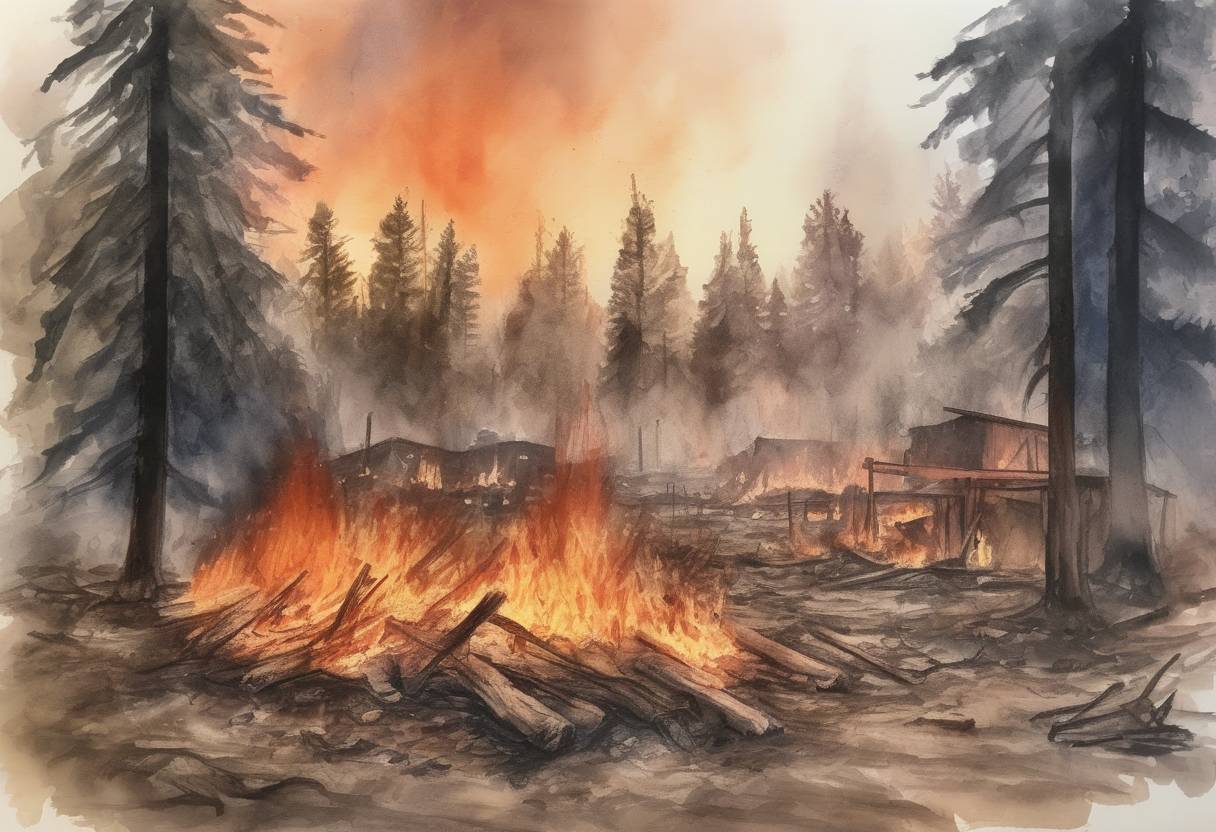
Watercolor painting based depiction of The Camp Fire in California became the deadliest and most destructive wildfire in the state's history, with a death toll of 85 and thousands of structures destroyed. (2018)

The Camp Fire: November 15, 2018

The Camp Fire, which began on November 8, 2018, in Butte County, California, became the deadliest and most destructive wildfire in the state’s history by November 15, 2018. This catastrophic event had far-reaching impacts on the community, environment, and policies related to wildfire management and prevention.

Background

The Camp Fire was named after Camp Creek Road, where the fire initially ignited. It was fueled by a combination of dry conditions, high winds, and abundant vegetation, which created a perfect storm for rapid fire spread. The region had been experiencing a prolonged period of drought, which contributed to the dry conditions.

Key Events Leading Up to November 15, 2018

  • November 8, 2018: The fire ignited in the early morning hours and spread quickly due to strong winds. Within hours, it engulfed the town of Paradise, causing widespread destruction.
  • Evacuations: Tens of thousands of residents were forced to evacuate as the fire rapidly advanced. The speed and intensity of the fire caught many off guard, leading to chaotic evacuation scenes.
  • Firefighting Efforts: Thousands of firefighters were deployed to combat the blaze, but the fire’s rapid spread and intense heat made containment efforts extremely challenging.

Impact by November 15, 2018

  • Death Toll: By November 15, the death toll had risen to 85, making it the deadliest wildfire in California’s history. Many victims were found in their homes or vehicles, unable to escape the fast-moving flames.
  • Destruction: The fire destroyed approximately 18,804 structures, including homes, businesses, and critical infrastructure. The town of Paradise was almost entirely decimated, with 95% of its buildings destroyed.
  • Environmental Damage: The fire scorched over 153,000 acres, leaving a significant environmental impact on the region’s landscape and wildlife.

Aftermath and Consequences

  • Community Impact: The destruction of Paradise displaced thousands of residents, many of whom lost everything. The community faced a long and difficult recovery process, with rebuilding efforts continuing for years.
  • Policy Changes: The Camp Fire prompted a reevaluation of wildfire management and prevention strategies in California. It highlighted the need for improved emergency response systems, better land management practices, and increased focus on climate change mitigation.
  • Legal and Financial Repercussions: Pacific Gas and Electric (PG&E), the utility company whose equipment was found to have sparked the fire, faced significant legal and financial consequences. The company filed for bankruptcy in 2019 and agreed to a multi-billion-dollar settlement with victims.

Broader Historical Significance

The Camp Fire underscored the growing threat of wildfires in the context of climate change, with increasing temperatures and prolonged droughts contributing to more frequent and severe fire events. It served as a wake-up call for policymakers, communities, and individuals to address the challenges posed by a changing climate and to enhance resilience against future disasters.

The Camp Fire remains a poignant reminder of the devastating power of wildfires and the importance of preparedness, prevention, and adaptation in the face of natural disasters.

Source: www.nytimes.com