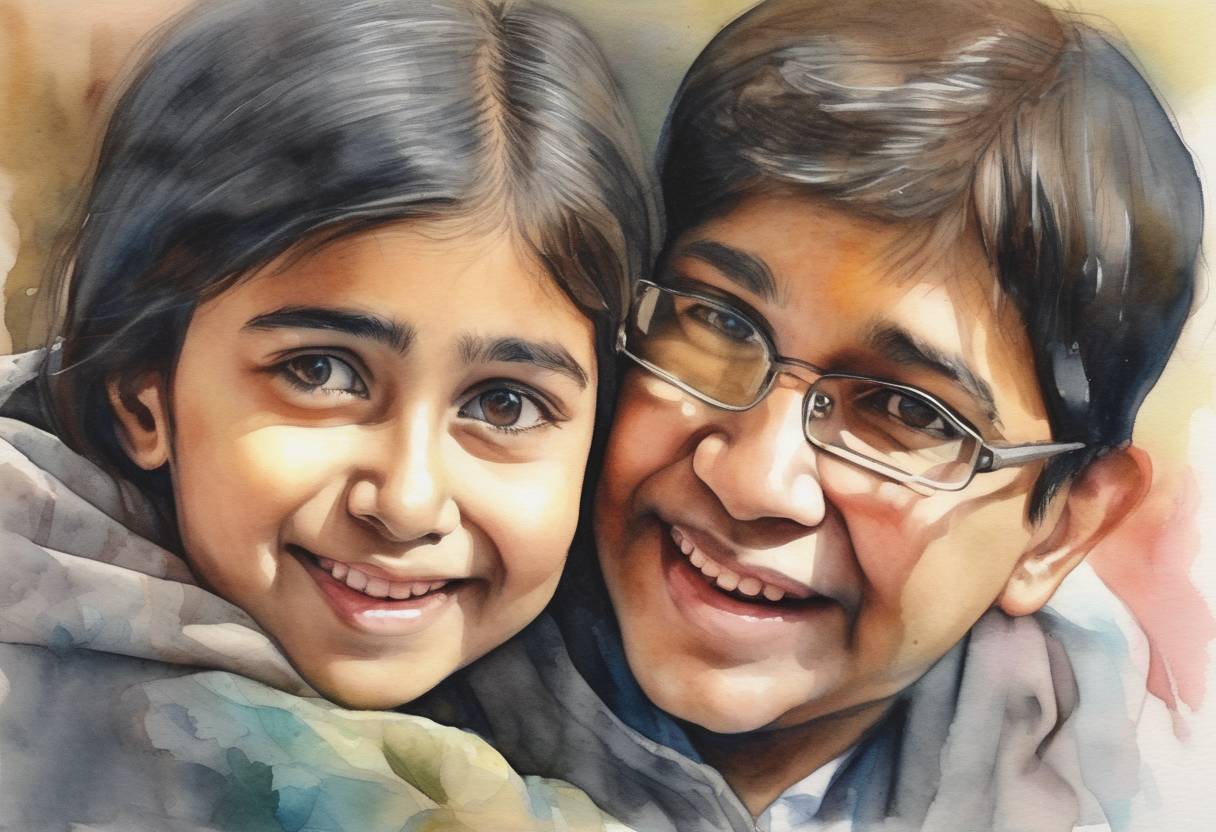
Nobel Peace Prize 2014: Kailash Satyarthi and Malala Yousafzai
On October 12, 2014, the Nobel Peace Prize was awarded jointly to Kailash Satyarthi and Malala Yousafzai. This recognition was given for their significant efforts in advocating against the suppression of children and young people and for championing the right of all children to education.
Kailash Satyarthi
Kailash Satyarthi, an Indian children’s rights activist, has been at the forefront of the global movement against child labor. He founded the Bachpan Bachao Andolan (Save the Childhood Movement) in 1980, which has been instrumental in rescuing over 80,000 children from various forms of servitude and exploitation. Satyarthi’s work has not only focused on freeing children from labor but also on ensuring their rehabilitation and education. His efforts have contributed to the global discourse on child labor, influencing policies and practices worldwide.
Malala Yousafzai
Malala Yousafzai, a Pakistani education activist, became a global symbol of the fight for girls’ education after surviving an assassination attempt by the Taliban in 2012. At just 17 years old, she became the youngest-ever Nobel laureate. Malala’s advocacy began in her hometown in the Swat Valley, where she spoke out against the Taliban’s ban on girls’ education. Her courage and determination have inspired millions, leading to the establishment of the Malala Fund, which aims to ensure 12 years of free, safe, and quality education for every girl.
Significance of the Award
The joint award to Satyarthi and Yousafzai highlighted the interconnectedness of their causes—child labor and education. By recognizing these two activists, the Nobel Committee underscored the importance of addressing the barriers that prevent children from accessing education, such as poverty, discrimination, and violence. The award also served to bring global attention to the ongoing struggles faced by children worldwide and the need for continued advocacy and action.
Broader Impact
The Nobel Peace Prize in 2014 brought renewed focus to the issues of child labor and education, encouraging international cooperation and policy development. It also inspired individuals and organizations to support initiatives that promote children’s rights. The recognition of Satyarthi and Yousafzai’s work continues to influence global efforts to ensure that every child has the opportunity to learn and grow in a safe environment.
In summary, the 2014 Nobel Peace Prize celebrated the tireless efforts of Kailash Satyarthi and Malala Yousafzai in their fight for children’s rights, emphasizing the critical importance of education in achieving peace and development worldwide.