Eritrea Gains Independence from Ethiopia: May 24, 1993
1993 · Asmara, Eritrea
Eritrea gains independence from Ethiopia after a 30-year war.
May 18, 1991
Somaliland declares independence from Somalia, though it is not internationally recognized.
Hargeisa, Somaliland
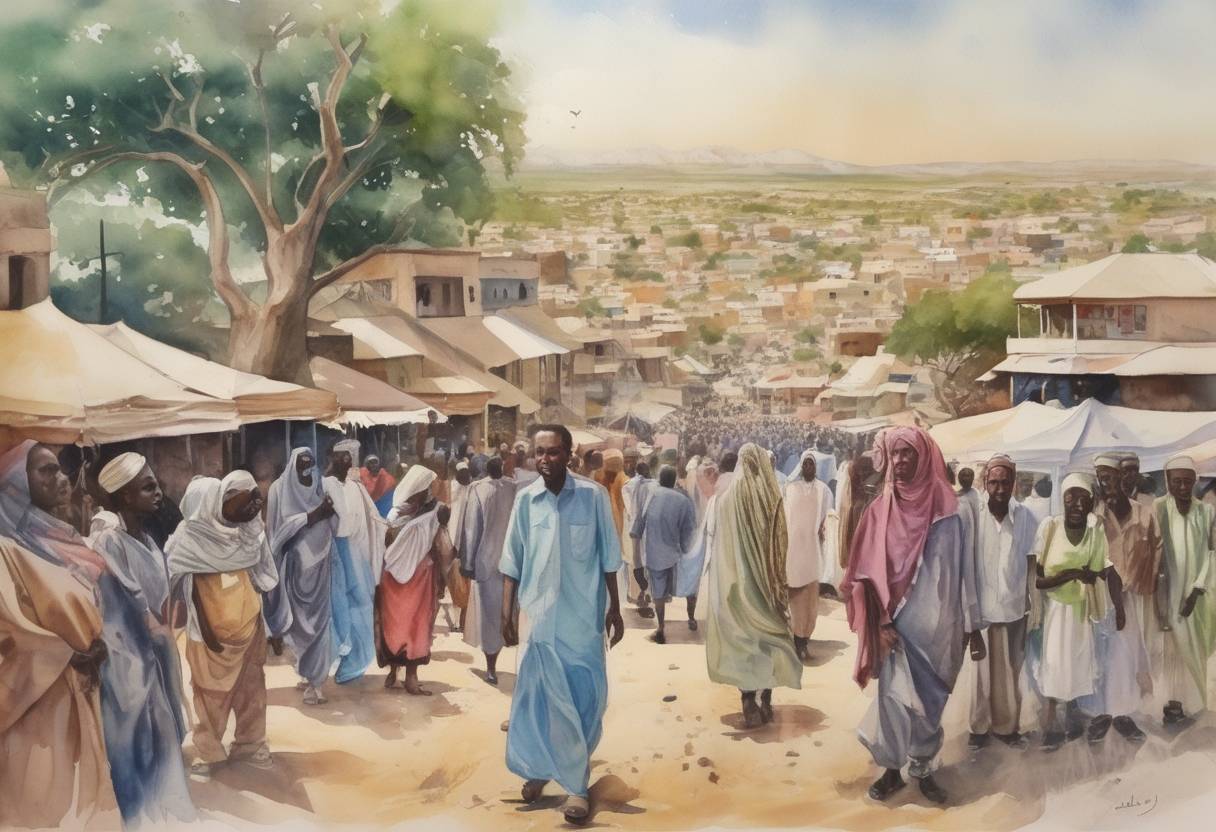
On May 18, 1991, the region of Somaliland declared its independence from Somalia, marking a significant moment in the Horn of Africa’s complex political landscape. This declaration came in the aftermath of the collapse of the Somali central government, following the ousting of President Siad Barre earlier that year.
Colonial Legacy: Somaliland’s history is deeply intertwined with colonialism. The region was a British protectorate from the late 19th century until June 26, 1960, when it gained independence. Just five days later, on July 1, 1960, Somaliland voluntarily united with the former Italian Somaliland to form the Somali Republic.
Post-Independence Challenges: The union between the two regions was fraught with tension. Many in Somaliland felt marginalized by the central government, which was dominated by leaders from the south. These grievances were exacerbated by the authoritarian rule of Siad Barre, who came to power in a 1969 coup.
Civil War and Collapse: The 1980s saw increasing resistance against Barre’s regime, particularly from the Somali National Movement (SNM), which was largely based in the north. The civil war intensified, leading to widespread destruction and the eventual collapse of Barre’s government in January 1991.
Burao Conference: In May 1991, clan elders and political leaders from the north convened in the town of Burao. It was here that they declared the independence of the Republic of Somaliland, citing the failure of the union with Somalia and the need for self-determination.
Unrecognized State: Despite its declaration, Somaliland has not been internationally recognized as a sovereign state. The African Union and the broader international community continue to view it as an autonomous region of Somalia.
Stability and Governance: Since its declaration, Somaliland has established a relatively stable and democratic government compared to the rest of Somalia. It has its own constitution, government institutions, and conducts regular elections.
Economic Development: Somaliland has made strides in economic development, focusing on sectors like livestock, telecommunications, and port services, particularly through the strategic Port of Berbera.
International Relations: While lacking formal recognition, Somaliland has engaged in diplomatic efforts to build informal ties with various countries and international organizations, advocating for its recognition based on its stability and democratic governance.
Ongoing Challenges: Despite its successes, Somaliland faces challenges, including economic dependency on remittances, limited international aid, and occasional internal political tensions.
In summary, the declaration of independence by Somaliland on May 18, 1991, represents a unique case of self-determination in Africa. While it remains unrecognized internationally, Somaliland has carved out a distinct identity and governance model, contributing to ongoing debates about statehood and recognition in international relations.