Xi Jinping's Appointment as General Secretary of the Communist Party of China
2012 · Beijing, China
Xi Jinping was appointed as the General Secretary of the Communist Party of China, marking the beginning of his leadership in China.
October 29, 2015
China announced the end of its one-child policy, allowing all couples to have two children. This policy change was a significant shift in China's population control measures, which had been in place since 1979.
Beijing, China | Communist Party of China
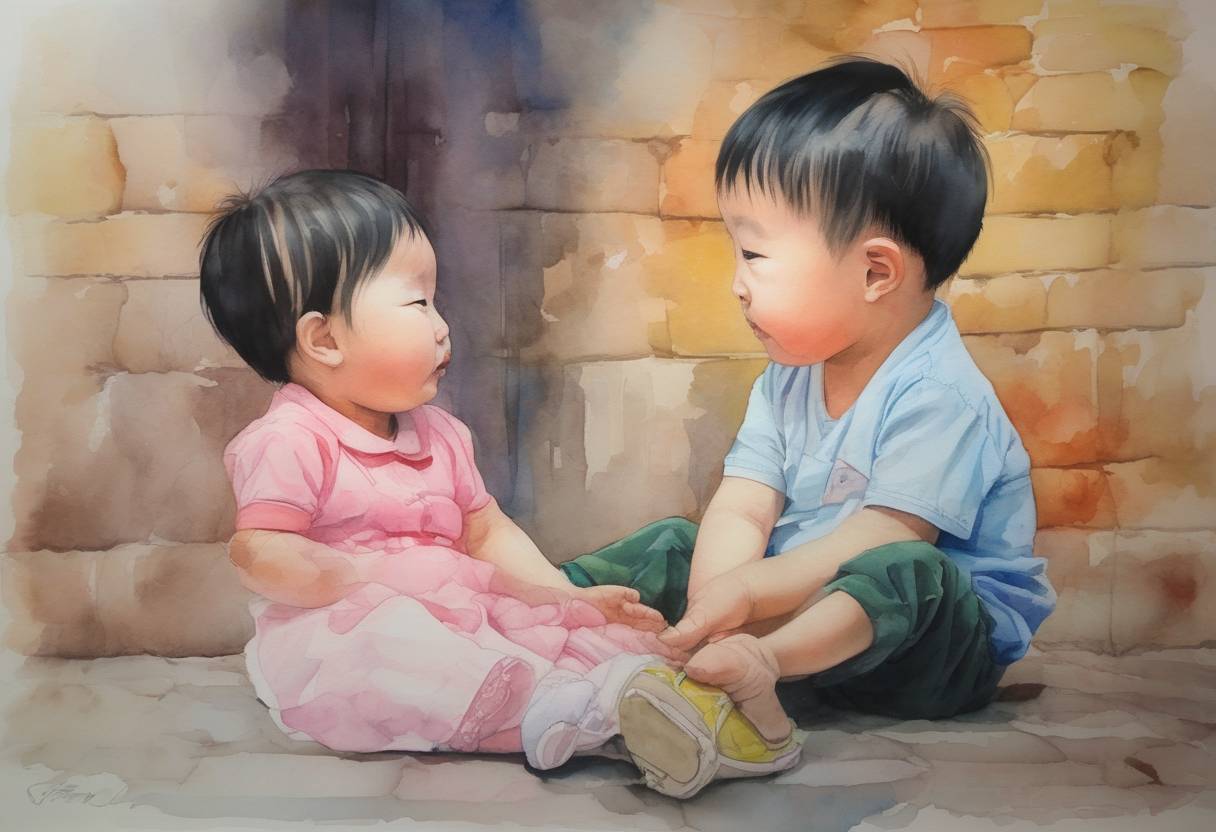
On October 29, 2015, China announced a significant shift in its population control measures by ending its decades-long one-child policy. This policy change allowed all couples to have two children, marking a pivotal moment in China’s demographic and social policy landscape.
Introduction of the One-Child Policy (1979): The one-child policy was introduced in 1979 as a measure to curb the rapidly growing population of China. The government aimed to alleviate social, economic, and environmental challenges by limiting most families to a single child.
Implementation and Exceptions: While the policy was strictly enforced in urban areas, there were exceptions, particularly in rural regions and for ethnic minorities. Over time, some flexibility was introduced, such as allowing a second child if the first was a girl or if both parents were only children.
Aging Population: By 2015, China faced a rapidly aging population, with a shrinking workforce that threatened economic growth and increased the burden on social services.
Gender Imbalance: The policy contributed to a significant gender imbalance due to a cultural preference for male children, leading to a higher number of male births.
Economic Considerations: The government recognized the need for a larger, younger workforce to sustain economic development and support the aging population.
Policy Change Announcement: On October 29, 2015, during the Fifth Plenary Session of the 18th Central Committee of the Communist Party of China, the government announced the end of the one-child policy, allowing all couples to have two children.
Implementation: The new policy was officially implemented on January 1, 2016. It was part of the country’s broader strategy to address demographic challenges and ensure sustainable development.
Mixed Results: Although the policy change aimed to boost birth rates, the increase was not as significant as anticipated. Many couples cited economic pressures and lifestyle preferences as reasons for not having more children.
Continued Challenges: Despite the policy shift, China continues to face demographic challenges, including a declining birth rate and an increasing dependency ratio.
Further Reforms: In response to ongoing demographic concerns, China announced in 2021 that it would allow couples to have up to three children, further relaxing its population control measures.
The end of the one-child policy represents a critical juncture in China’s approach to population management. It reflects the government’s recognition of the complex interplay between demographic trends and economic development. This policy shift also highlights the challenges of balancing population control with individual freedoms and societal needs.
Overall, the decision to end the one-child policy underscores the dynamic nature of policy-making in response to changing social and economic conditions.
Source: en.wikipedia.org