Car Bombing in Mogadishu, Somalia - December 5, 2009
2009 · Mogadishu, Somalia
A car bombing in Mogadishu, Somalia, killed 25 people, representing one of the most deadly attacks in the capital that year.
December 3, 2009
A suicide bombing in Mogadishu, Somalia, killed at least 24 people, including three government ministers, highlighting the ongoing instability and violence in the region.
Mogadishu, Somalia | Al-Shabaab
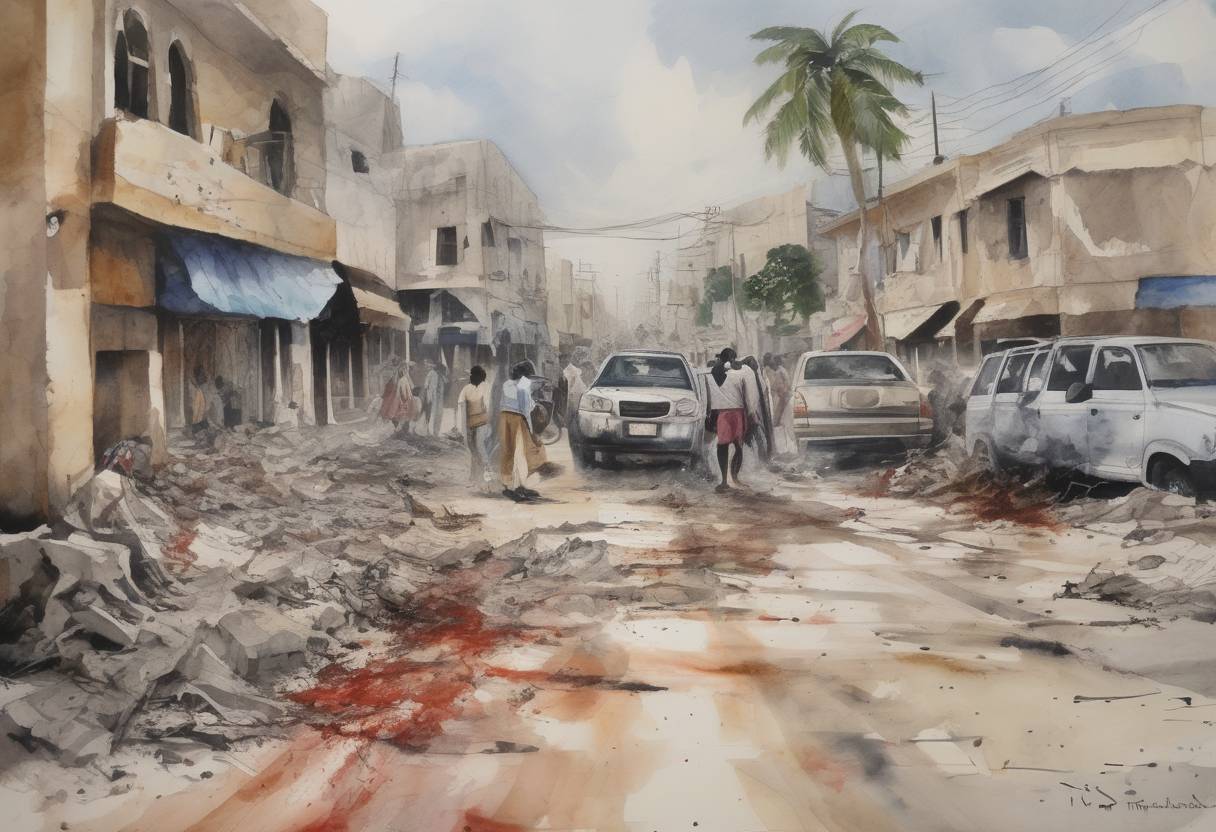
On December 3, 2009, a devastating suicide bombing occurred in Mogadishu, the capital of Somalia, resulting in the deaths of at least 24 individuals. This tragic event underscored the persistent instability and violence that has plagued the region for decades.
The bombing took place at the Shamo Hotel, where a graduation ceremony for medical students from Benadir University was being held. The event was attended by numerous dignitaries, students, and their families. The attacker, disguised as a woman, detonated explosives in the midst of the ceremony, causing widespread chaos and destruction.
Among the 24 confirmed fatalities were three Somali government ministers:
Additionally, several journalists, students, and other civilians were killed or injured in the attack.
Somalia has been embroiled in conflict since the collapse of its central government in 1991. The power vacuum led to the rise of warlords and later, Islamist groups such as Al-Shabaab, which have been responsible for numerous attacks in the region. The group, linked to Al-Qaeda, has sought to impose a strict interpretation of Islamic law and has targeted government officials, peacekeepers, and civilians.
The attack on December 3, 2009, was one of the deadliest in Somalia at the time and highlighted the severe security challenges facing the Transitional Federal Government (TFG) and its international allies. It underscored the difficulties in stabilizing the country and the ongoing threat posed by militant groups.
In response, the Somali government and its partners, including the African Union Mission in Somalia (AMISOM), intensified efforts to combat Al-Shabaab and restore order. However, the path to peace and stability in Somalia has remained fraught with challenges, as violence and political instability continue to affect the region.
The bombing not only highlighted the immediate security concerns in Somalia but also drew international attention to the humanitarian crisis and the need for sustained international support to rebuild the nation. It served as a grim reminder of the complexities involved in addressing terrorism and fostering long-term peace in conflict-ridden areas.
Overall, the December 3, 2009, suicide bombing in Mogadishu remains a significant event in Somalia’s recent history, reflecting the ongoing struggles and resilience of its people in the face of adversity.
Source: www.bbc.com