The Adams-Onís Treaty: February 22, 1819
1819 · Washington, D.C., United States
The Adams-Onís Treaty was signed, in which Spain ceded Florida to the United States.
October 27, 1795
The United States and Spain signed the Treaty of San Lorenzo, also known as Pinckney's Treaty, establishing intentions of friendship between the two nations.
San Lorenzo, Spain | United States and Spain
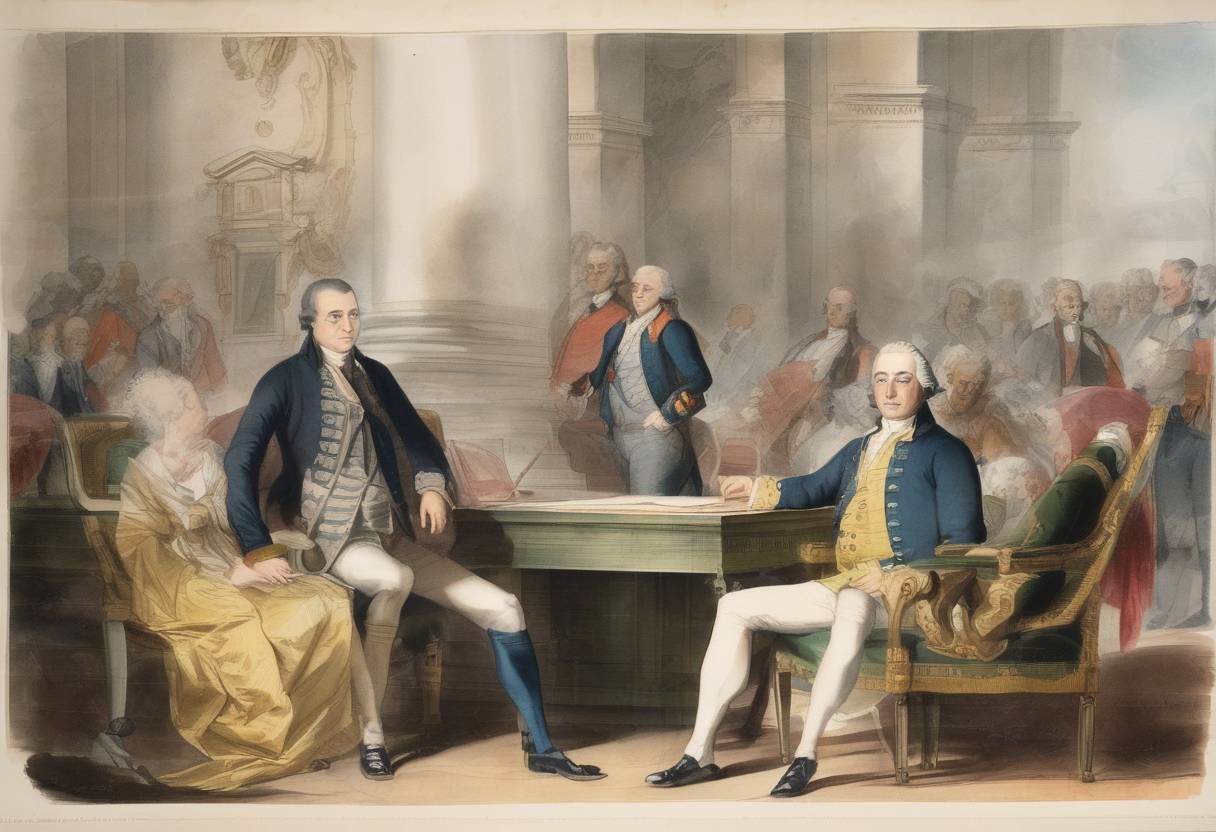
On October 27, 1795, the United States and Spain signed the Treaty of San Lorenzo, commonly known as Pinckney’s Treaty. This significant diplomatic agreement was named after Thomas Pinckney, the U.S. envoy who negotiated the terms with Spain. The treaty marked a pivotal moment in U.S. foreign relations during the early years of the republic, establishing intentions of friendship and cooperation between the two nations.
In the late 18th century, the geopolitical landscape of North America was complex, with various European powers vying for influence. Spain controlled vast territories in the Americas, including Florida and the land west of the Mississippi River. The United States, having gained independence from Britain, was eager to secure its western borders and gain access to vital trade routes.
Tensions had been rising due to several factors:
The Treaty of San Lorenzo addressed these issues with several important provisions:
Boundary Definition: The treaty established the 31st parallel as the northern boundary of Spanish Florida, clarifying the border between the United States and Spanish territories.
Navigation Rights: The United States gained the right to navigate the Mississippi River freely and to deposit goods for export at the port of New Orleans without paying duties for three years, with the possibility of renewal.
Mutual Protection: Both nations agreed to protect each other’s territories from Native American attacks and to refrain from inciting such hostilities.
Commission to Resolve Disputes: A commission was established to resolve any disputes over land claims and to ensure the treaty’s terms were upheld.
Pinckney’s Treaty was a diplomatic triumph for the United States, as it secured critical economic and territorial advantages without resorting to conflict. It helped to stabilize the southwestern frontier and facilitated westward expansion by ensuring American access to the Mississippi River.
The treaty also demonstrated the effectiveness of diplomacy in resolving international disputes and set a precedent for future negotiations. It improved relations between the United States and Spain, contributing to a period of relative peace and cooperation.
In the broader context of U.S. history, the Treaty of San Lorenzo was part of a series of diplomatic successes in the 1790s, including Jay’s Treaty with Great Britain, which helped to establish the United States as a sovereign nation capable of negotiating on equal terms with European powers.
Source: en.wikipedia.org