The End of the 2013 U.S. Government Shutdown and Debt Ceiling Crisis
2013 · Washington D.C., United States
The United States ends a 16-day government shutdown and raises the debt ceiling after Congress passes a bill to fund the government.
October 1, 2013
The United States federal government entered a shutdown due to a budgetary impasse in Congress, leading to the furlough of hundreds of thousands of federal employees.
Washington, D.C., United States | United States Congress
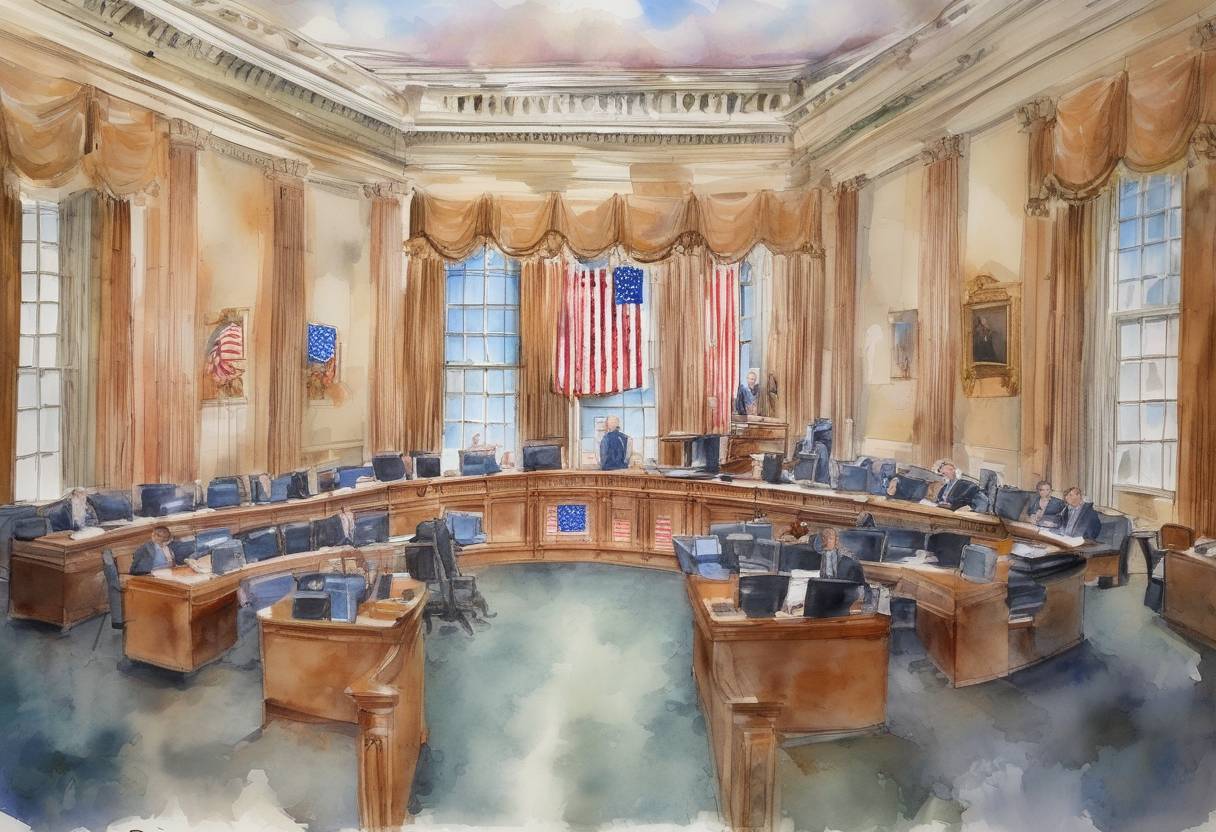
On October 1, 2013, the United States federal government entered a shutdown due to a budgetary impasse in Congress. This event marked a significant moment in U.S. political history, as it led to the furlough of hundreds of thousands of federal employees and affected numerous government services.
The shutdown was primarily caused by a disagreement over the federal budget for the fiscal year 2014. The central issue at the heart of the impasse was the Affordable Care Act (ACA), commonly known as Obamacare. The Republican-controlled House of Representatives sought to defund or delay the implementation of the ACA as a condition for passing the budget, while the Democratic-controlled Senate and President Barack Obama insisted on a budget that did not alter the healthcare law.
Budget Proposals and Rejections: In the months leading up to the shutdown, the House and Senate exchanged several budget proposals. The House passed a budget that included provisions to defund or delay the ACA, which the Senate rejected.
Continuing Resolutions: As the fiscal year 2013 ended on September 30, 2013, Congress needed to pass a continuing resolution to fund the government temporarily. However, disagreements over the ACA prevented a resolution from being reached.
Midnight Deadline: As the clock struck midnight on October 1, 2013, without an agreement, the federal government began a partial shutdown.
Furloughs: Approximately 800,000 federal employees were furloughed, meaning they were placed on temporary unpaid leave. An additional 1.3 million employees were required to work without immediate pay, as they were deemed essential.
Government Services: Many government services were suspended or reduced. National parks and monuments were closed, and various federal agencies experienced disruptions.
Economic Consequences: The shutdown had significant economic implications, costing the economy an estimated $24 billion. It also affected consumer confidence and financial markets.
Reopening the Government: After 16 days, the shutdown ended on October 17, 2013, when Congress passed the Continuing Appropriations Act, 2014. This act funded the government through January 15, 2014, and raised the debt ceiling until February 7, 2014.
Political Consequences: The shutdown highlighted deep partisan divisions in Congress and had political repercussions for both parties. Public opinion polls indicated that the Republican Party bore more of the blame for the shutdown, affecting their standing in subsequent elections.
The 2013 shutdown underscored the challenges of political polarization in the United States and the complexities of negotiating budgetary and policy differences. It also demonstrated the potential for significant economic and social disruption resulting from legislative gridlock.
This event remains a pivotal example of the impact of political stalemates on governance and the importance of compromise in the legislative process.
Source: www.cnn.com