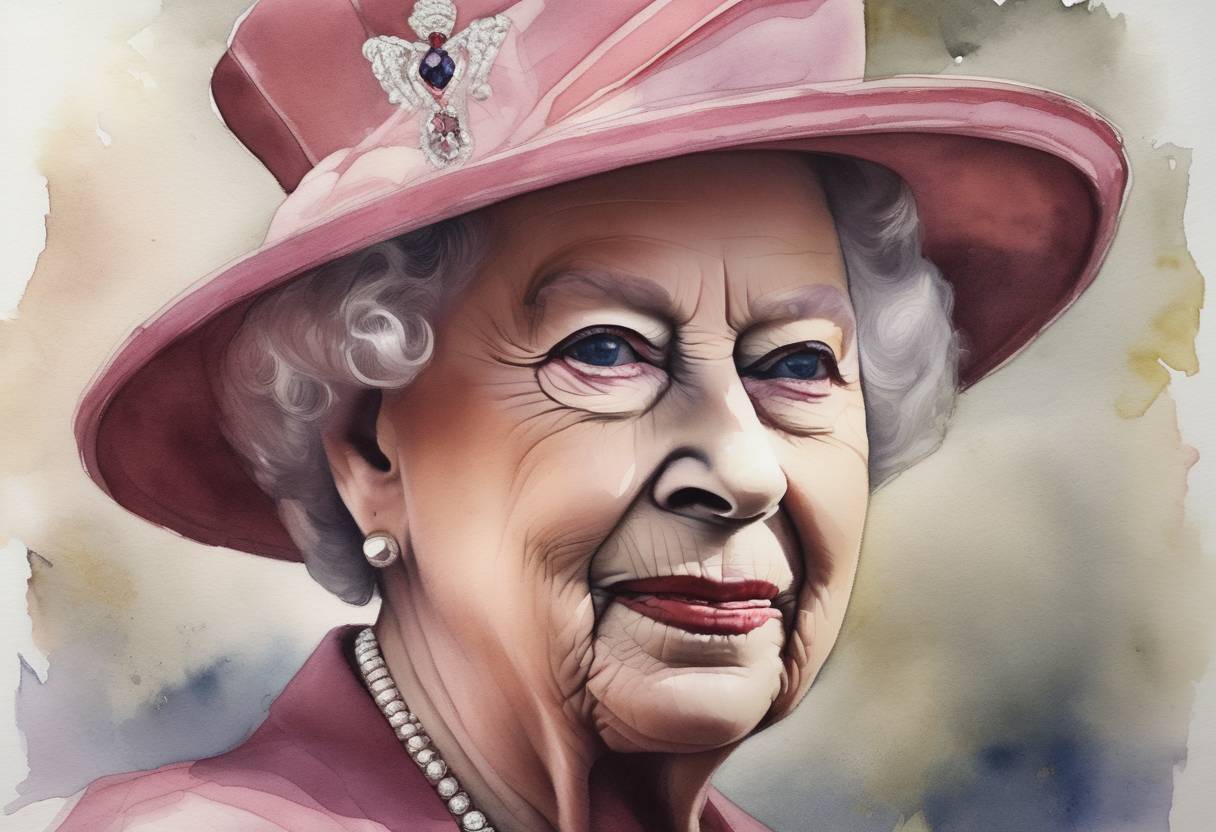
The Passing of Queen Elizabeth II
On September 8, 2022, Queen Elizabeth II, the longest-reigning monarch in British history, passed away at Balmoral Castle in Scotland. Her death marked the end of a remarkable 70-year reign, a period during which she became a symbol of continuity and stability for the United Kingdom and the Commonwealth.
Early Life and Ascension to the Throne
Elizabeth Alexandra Mary Windsor was born on April 21, 1926, in London. She was the first child of the Duke and Duchess of York, who later became King George VI and Queen Elizabeth. Her life changed dramatically in 1936 when her uncle, King Edward VIII, abdicated the throne, leading her father to become king. Elizabeth became the heir presumptive.
On February 6, 1952, Elizabeth ascended to the throne following the death of her father. Her coronation took place on June 2, 1953, at Westminster Abbey, and was the first to be televised, marking a new era in the monarchy’s relationship with the public.
Reign and Legacy
Queen Elizabeth II’s reign spanned seven decades, during which she witnessed significant changes in British society and the world. Her tenure saw the decolonization of Africa and the Caribbean, the evolution of the Commonwealth, and the modernization of the British monarchy.
Key Aspects of Her Reign:
Constitutional Role: As a constitutional monarch, Elizabeth II’s role was largely ceremonial. However, she played a crucial part in maintaining the stability and continuity of the British government.
Public Service: Known for her dedication to public service, she carried out thousands of engagements and supported numerous charities and organizations.
Adaptation and Modernization: Throughout her reign, she adapted to changing times, embracing new technologies and modernizing the monarchy’s image.
Family and Personal Life: Her marriage to Prince Philip, Duke of Edinburgh, lasted over 73 years until his death in 2021. They had four children: Charles, Anne, Andrew, and Edward.
The End of an Era
Queen Elizabeth II’s death at Balmoral Castle, her beloved summer retreat in Scotland, was a moment of profound national and international significance. Her passing marked the end of an era characterized by her steadfast presence and commitment to duty.
Aftermath
Succession: Her eldest son, Charles, immediately became King Charles III, ushering in a new chapter for the British monarchy.
Public Mourning: The Queen’s death prompted an outpouring of grief and reflection across the UK and the Commonwealth. Her state funeral was held on September 19, 2022, at Westminster Abbey, attended by dignitaries from around the world.
Historical Impact: Queen Elizabeth II’s reign is remembered for its unprecedented length and her role as a stabilizing figure during times of change. Her legacy continues to influence the monarchy and its relationship with the British public and the wider world.
Queen Elizabeth II’s life and reign were marked by a deep sense of duty and service, leaving an indelible mark on history and the hearts of millions.