Angola Gains Independence from Portugal
1975 · Luanda, Angola
Angola gained independence from Portugal, marking the end of Portuguese colonial rule in Africa and the beginning of a prolonged civil war.
September 10, 1974
Guinea-Bissau declared its independence from Portugal.
Bissau, Guinea-Bissau | PAIGC
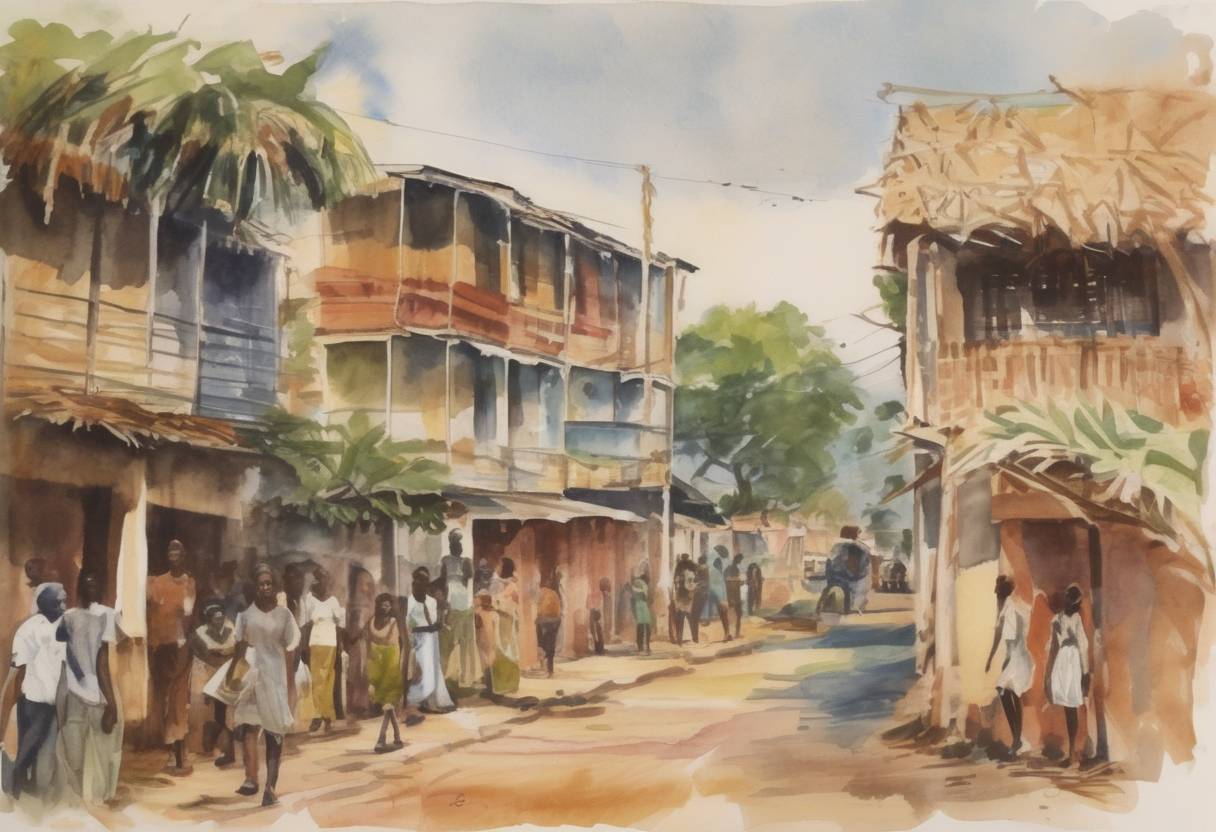
On September 10, 1974, Guinea-Bissau officially declared its independence from Portugal, marking a significant milestone in the decolonization of Africa. This event was the culmination of a protracted struggle for independence led by the African Party for the Independence of Guinea and Cape Verde (PAIGC).
Colonial Background: Guinea-Bissau, located on the West African coast, was a Portuguese colony since the 19th century. The colonial administration was characterized by economic exploitation and political repression, which fueled nationalist sentiments among the local population.
The PAIGC: Founded in 1956 by Amílcar Cabral and Rafael Barbosa, the PAIGC became the leading force in the fight for independence. The party advocated for the liberation of both Guinea-Bissau and Cape Verde from Portuguese rule.
Armed Struggle: The PAIGC launched an armed struggle against Portuguese colonial forces in 1963. This guerrilla warfare was marked by strategic operations and significant grassroots support, which gradually weakened Portuguese control.
Amílcar Cabral’s Leadership: As a charismatic leader, Amílcar Cabral played a crucial role in organizing the PAIGC and garnering international support. His assassination in January 1973 was a significant blow, but the movement continued under new leadership.
Proclamation of Independence: On September 24, 1973, the PAIGC unilaterally declared independence in the liberated areas of Guinea-Bissau. This declaration was recognized by several countries and the United Nations, increasing pressure on Portugal.
Carnation Revolution: The April 1974 Carnation Revolution in Portugal, a peaceful coup that overthrew the Estado Novo regime, accelerated the decolonization process. The new Portuguese government was more open to negotiating independence for its colonies.
Formal Independence: On September 10, 1974, Guinea-Bissau’s independence was formally recognized by Portugal. This recognition was part of a broader wave of decolonization in Africa during the 20th century.
International Recognition: Following Portugal’s recognition, Guinea-Bissau gained widespread international recognition and became a member of the United Nations in 1974.
Political Challenges: Post-independence, Guinea-Bissau faced significant political and economic challenges, including internal conflicts and coups. The vision of uniting Guinea-Bissau and Cape Verde under a single government was not realized, leading to separate paths for the two nations.
Legacy of Amílcar Cabral: Cabral’s ideas on national liberation and development continue to influence political thought in Africa and beyond.
Decolonization Impact: The successful independence movement in Guinea-Bissau served as an inspiration for other African nations under colonial rule, contributing to the broader decolonization movement across the continent.
Guinea-Bissau’s independence is a testament to the resilience and determination of its people and remains a pivotal moment in the history of African decolonization.
Source: en.wikipedia.org