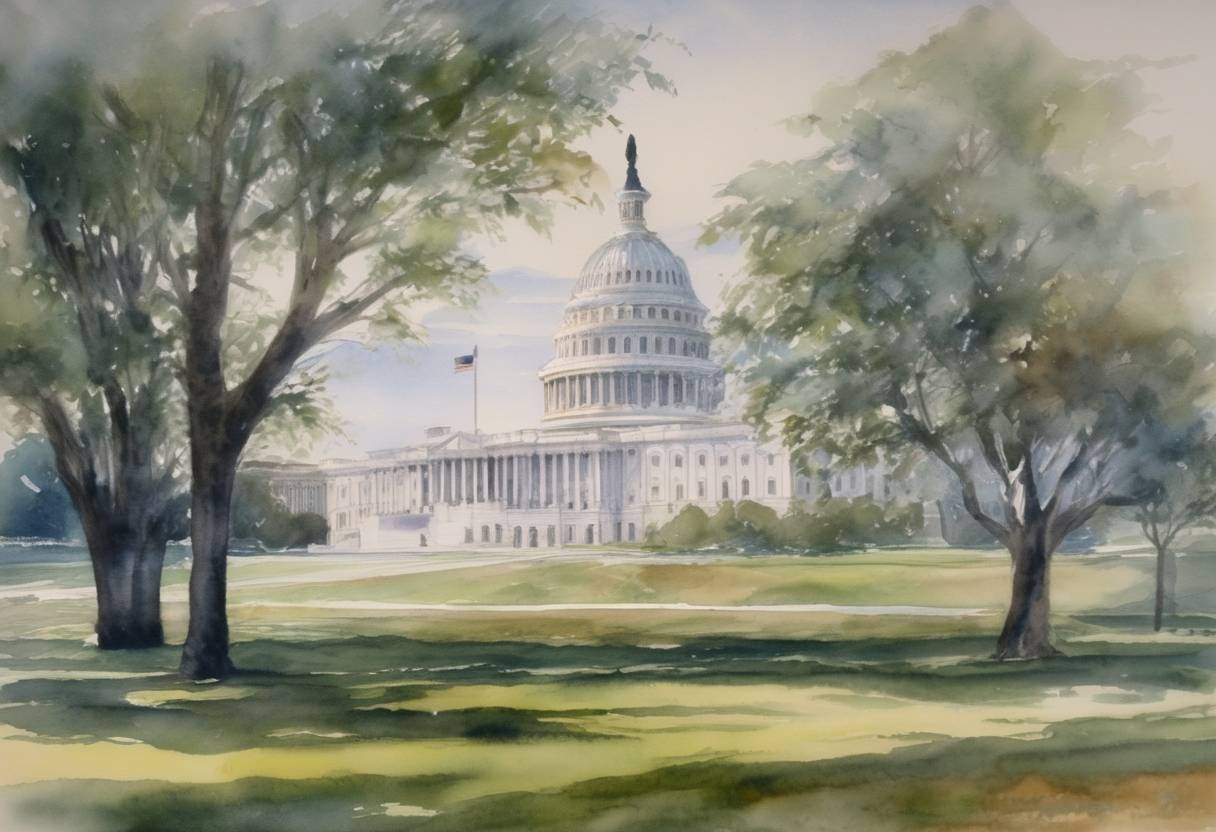
The Passage of the Homeland Security Act in the House of Representatives
On May 14, 2002, the United States House of Representatives passed a significant piece of legislation marking a major response to the September 11, 2001, terrorist attacks. The House approved a bill proposing the creation of the Department of Homeland Security (DHS), aiming to unify various federal agencies responsible for national security, border protection, and emergency response.
Context and Background
The September 11 attacks had highlighted critical vulnerabilities in the United States’ national security infrastructure, particularly in terms of coordination and communication among different federal agencies. In response to these challenges, the administration, led by President George W. Bush, proposed comprehensive reforms to improve domestic security and prevent future attacks.
Key Provisions of the Legislation
The bill established a new cabinet-level department, the Department of Homeland Security, designed to consolidate numerous agencies and functions under one umbrella to enhance efficiency and effectiveness in counterterrorism efforts. It proposed the integration of functions from existing entities such as:
- The U.S. Customs Service
- The Transportation Security Administration
- The Federal Emergency Management Agency (FEMA)
- The U.S. Coast Guard
- The Immigration and Naturalization Service
Legislative Process
The bill passed in the House of Representatives on May 14, 2002, after significant debate and amendments. It represented a critical step in the legislative process before being sent to the Senate for further consideration. The bipartisan passage underscored a collective commitment to enhancing national security measures in the post-9⁄11 era.
Aftermath and Significance
The subsequent establishment of the DHS marked the most comprehensive reorganization of the federal government since the creation of the Department of Defense in 1947. The department officially came into existence later in 2002, fundamentally reshaping the U.S. national security landscape.
By streamlining operations and centralizing efforts to prevent and respond to domestic threats, the creation of the DHS was a landmark development in U.S. policy, reflecting the urgent need to adapt to the evolving nature of threats in the 21st century. The passage of this bill symbolized a crucial legislative commitment to enhancing the safety and security of the United States.