Moscow Metro Bombing - February 6, 2004
2004 · Moscow, Russia
A suicide bombing on a Moscow metro train killed at least 41 people and injured over 100 others. The attack was attributed to Chechen rebels.
October 21, 2002
Chechen rebels seized a crowded Moscow theater, taking 850 hostages. The standoff lasted for several days, resulting in a siege by Russian security forces.
Moscow, Russia | Chechen rebels
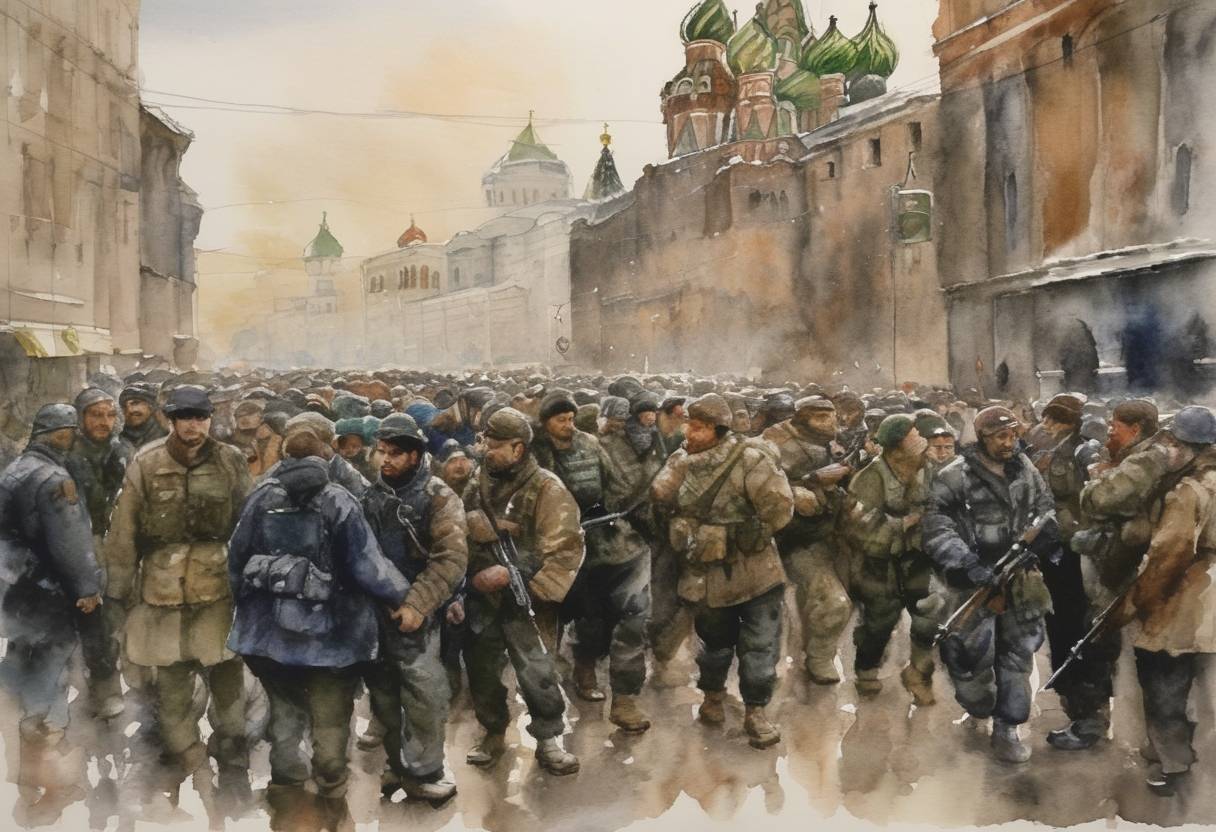
On October 23, 2002, a group of approximately 40-50 armed Chechen rebels seized the Dubrovka Theater in Moscow, taking approximately 850 people hostage during a performance of the musical “Nord-Ost.” This event would lead to a tense and tragic standoff lasting several days.
The crisis was rooted in the ongoing Second Chechen War, which began in 1999. Russian forces were engaged in a brutal conflict in Chechnya, following the First Chechen War that had resulted in a short-lived independence for the region. The conflict was characterized by guerrilla warfare, significant civilian casualties, and accusations of severe human rights violations.
The attack began at around 9 p.m. local time during the second act of the performance. The rebels, heavily armed and some wearing explosive belts, declared their demand: the withdrawal of Russian forces from Chechnya. The hostages were held in the theater for over two days under extremely tense circumstances, with inadequate food and water, as well as threats of violence from the captors.
Russian authorities, led by President Vladimir Putin, refused to negotiate a military withdrawal. Instead, they opted for a show of force and control. Security forces managed to engage in covert communications with some of the hostages and gather intelligence on the situation inside the theater.
On October 26, 2002, after enduring days of a grim standoff, Russian special forces executed a raid to end the siege. They employed an undisclosed chemical agent, later admitted to be a fentanyl-based gas, to immobilize the captors and gain control of the situation. While the raid was successful in eliminating the immediate threat from the hostage-takers, the use of the gas had dire consequences.
The operation resulted in the death of at least 130 hostages, primarily due to gas exposure, and all but two of the attackers were killed. The event drew significant criticism both domestically and internationally, with questions raised about the methods used and the lack of preparedness in handling the medical consequences of the raid.
The Moscow Theater Hostage Crisis had wide-reaching effects on Russian policy and public perception. It solidified the view of Chechen fighters in many Russians’ eyes as terrorists rather than freedom fighters. Internationally, the event was one of the prominent terrorist attacks in the early 21st century, preceding attacks such as those in Madrid in 2004 and London in 2005, and these occurrences influenced global counterterrorism strategies.
Domestically, the crisis led to a tightening of security measures throughout Russia and an increase in anti-terrorism legislation. It also bolstered President Putin’s hardline stance on Chechnya, leading to increased military actions in the region.
The tragedy of the Moscow Theater Hostage Crisis remains a somber reminder of the intense volatility and human cost associated with the Chechen conflict and broader issues of international terrorism.
Source: www.bbc.com