Assassination of Emperor Aurelian - September 25, 275
275 · Caenophrurium, Roman Empire
The Roman Emperor Aurelian is assassinated by his own troops, leading to a brief period of instability in the Roman Empire.
January 3, 0274
Emperor Aurelian begins his reign as Roman emperor.
Rome, Roman Empire | Roman Empire
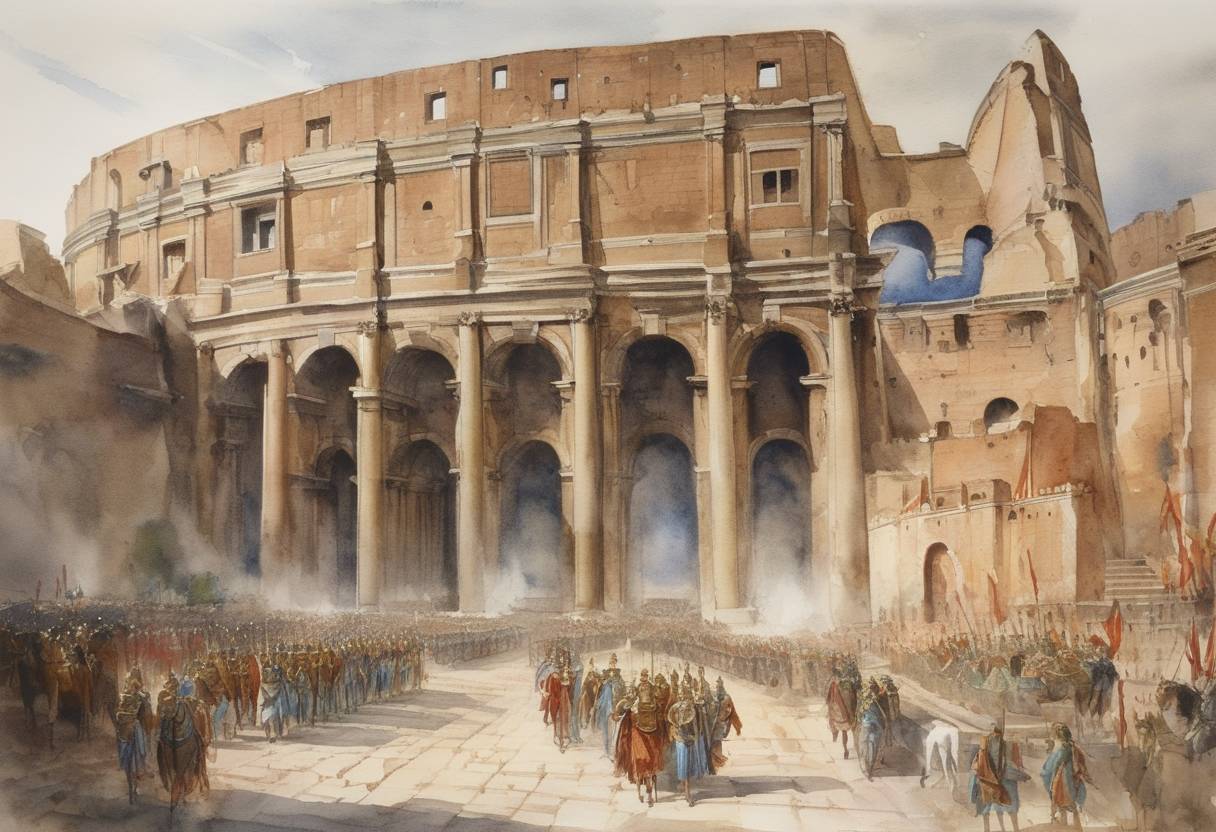
A misunderstanding arises in the provided date regarding Emperor Aurelian beginning his reign. Aurelian actually ascended to the Roman imperial throne on September 270. Instead of marking the beginning of Aurelian’s rule, January 3, 274, fell within the timeline of his reign and did not specifically signify a notable event marking a change in leadership. Instead, a brief overview of his reign is presented to offer context around this period.
Ascension: Lucius Domitius Aurelianus, known as Aurelian, became emperor after the assassination of Emperor Claudius II Gothicus in 270. His rise was primarily due to his military success and support from the army.
Military Campaigns: Aurelian was pivotal in reuniting and stabilizing the Roman Empire, which had seen significant fragmentation. At the time of his reign, the Empire was threatened by external invasions and internal dissent. Aurelian is most acclaimed for his decisive military campaigns:
Reforms and Administration: Aurelian implemented significant reforms to reinstate the empire’s internal stability:
Aurelian’s tenure is remembered for his pivotal role in restoring the Roman Empire’s territorial integrity and reinforcing central authority during a period known as the Crisis of the Third Century. His efforts laid foundational stability upon which subsequent emperors could build, and he earned posthumous respect and recognition as a stabilizing figure in Roman history.
Source: www.britannica.com