Dennis Tito: The First Space Tourist
2001 · Baikonur, Kazakhstan
Dennis Tito became the first space tourist, launching aboard the Russian Soyuz TM-32 mission to the International Space Station.
October 31, 2000
Soyuz TM-31, the first spacecraft to head to the International Space Station with a crew on board, is launched.
Baikonur, Kazakhstan | Russian Federal Space Agency
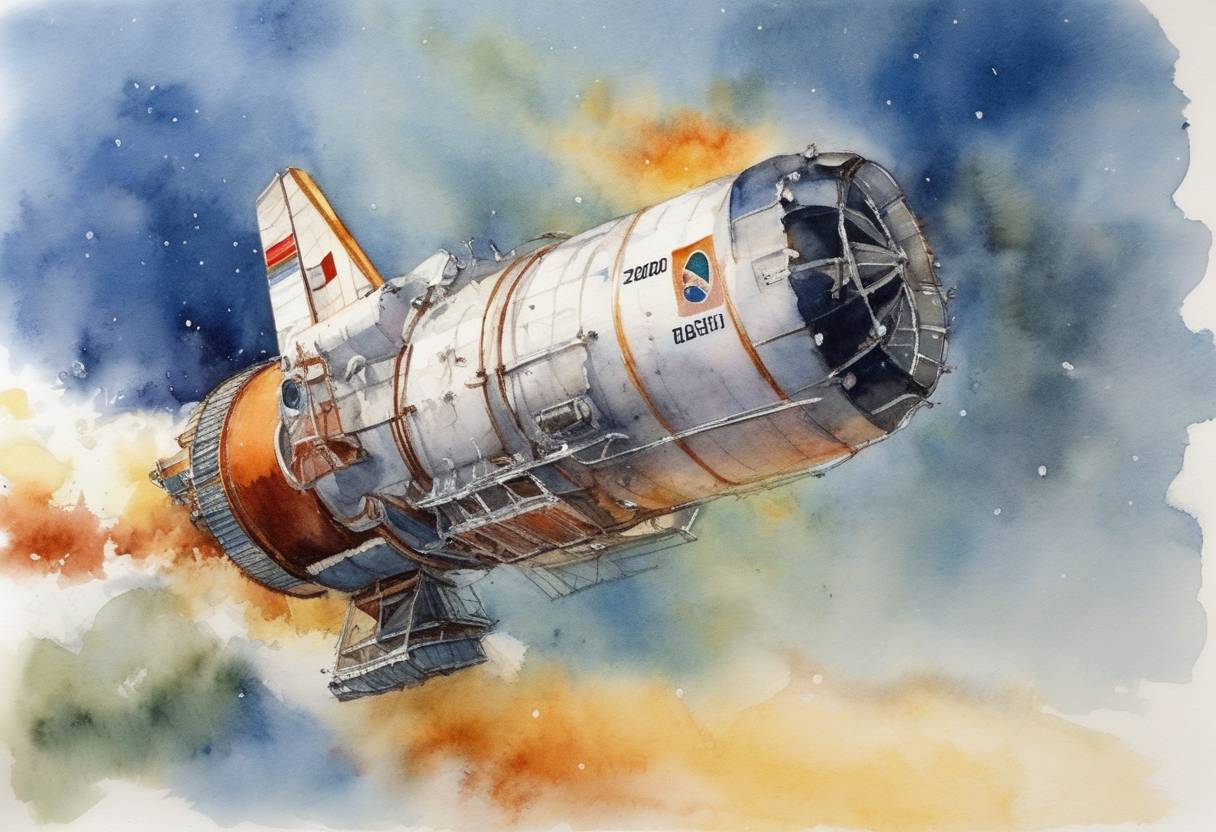
On October 31, 2000, the spacecraft Soyuz TM-31 was launched from the Baikonur Cosmodrome in Kazakhstan at 07:52 UTC. This mission marked a significant milestone in human space exploration, as it was the first crewed launch to the International Space Station (ISS).
The Soyuz TM-31 mission carried a crew of three, constituting the Expedition 1 to the ISS:
The primary objective of Soyuz TM-31 was to transport the first resident crew to the International Space Station, initiating its continuous human presence which continues to this day. The mission also aimed to transport essential supplies and serve as a lifeboat for the crew during their stay on the ISS.
This mission officially began permanent human habitation on the ISS, which involved setting up and activating the station’s life support systems and beginning long-term research experiments. It also highlighted the international collaboration in space exploration, as the ISS was a joint project involving the efforts of multiple space agencies, including NASA, Roskosmos, ESA, JAXA, and others.
Following its successful launch and docking on November 2, 2000, the crew began the critical setup tasks for the ISS, paving the way for subsequent expeditions and ensuring that the station becomes a hub of international space research and cooperation.
Soyuz TM-31 remained docked to the ISS until February 2001, serving as an emergency escape vehicle for the crew. The spacecraft’s successful mission underscored the robustness and reliability of the Soyuz program, which has been vital for the transport of astronauts to and from the station.
Source: www.nasa.gov