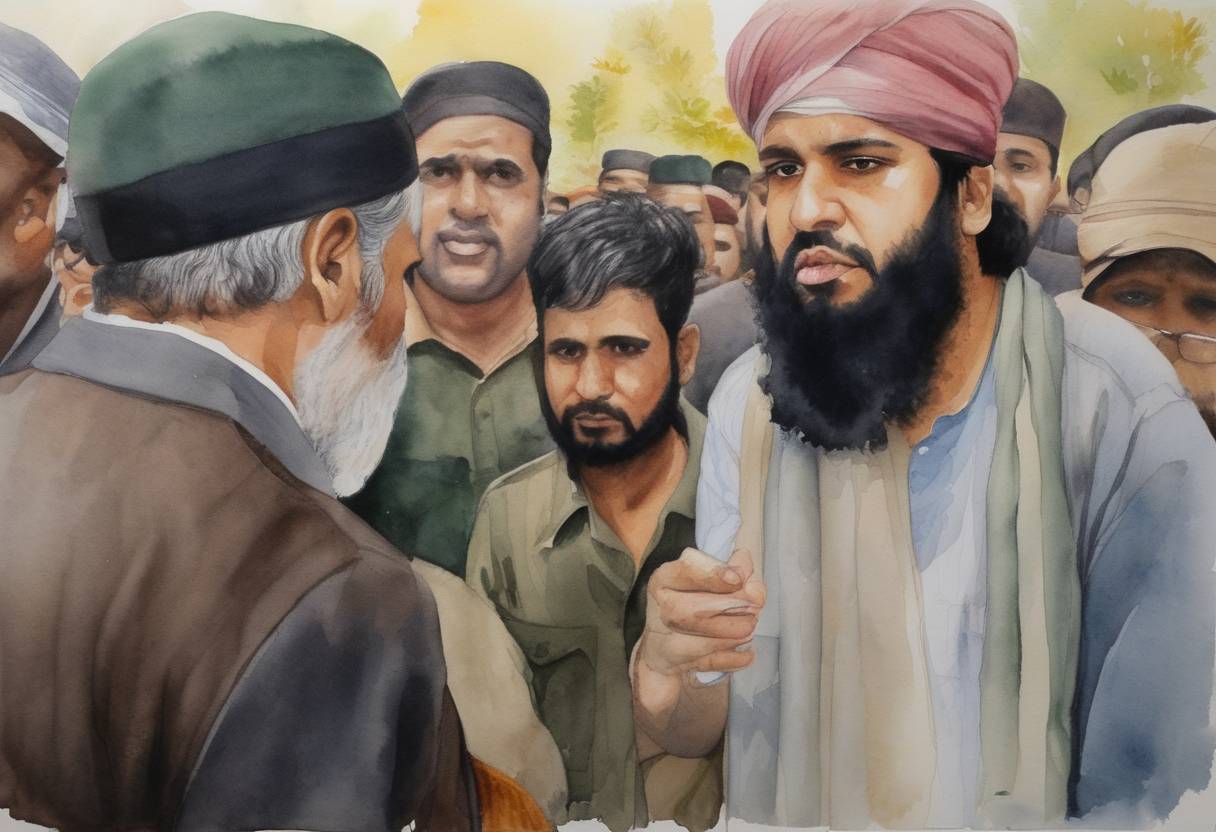
Mumtaz Qadri Charged with Murder and Terrorism
On June 19, 2011, Mumtaz Qadri, the assassin of Punjab Governor Salman Taseer, was formally charged with murder, terrorism, and violence in a Pakistani court. This pivotal legal action occurred more than five months after the assassination, emphasizing the gravity of Qadri’s actions and the nation’s legal response to them.
Context
Salman Taseer, governor of Punjab, Pakistan’s most populous province, was a prominent political figure, known for his progressive views. He was an outspoken critic of Pakistan’s blasphemy laws, calling for their reform, arguing that they were often misused to target minorities unjustly.
On January 4, 2011, Taseer was assassinated by Mumtaz Qadri, who was his bodyguard at the time, in Islamabad. Qadri, motivated by Taseer’s stance on the blasphemy laws, shot him multiple times, leading to his death. The assassination sent shockwaves through Pakistan, sparking widespread discussion and division over the blasphemy laws and their societal impacts.
Legal Proceedings
Qadri was arrested immediately following the incident. On June 19, 2011, charges were officially brought against him, including murder, terrorism, and perpetrating violence. The case was significant in highlighting the tensions between upholding law and order and addressing religious extremism in Pakistan.
Qadri’s legal defense hinged on his justification of defending the honor of Islam, gaining him widespread support from certain conservative and religious circles within the country. Protests erupted, with some viewing Qadri as a hero for defending what they perceived as religious sanctity.
Broader Impact
The case drew international attention, given its implications for Pakistan’s legal system, human rights discussions, and issues concerning freedom of speech and religious intolerance. It underscored the challenges faced by Pakistan in balancing religious sensitivities with reforming judicial practices and upholding human rights.
Qadri was ultimately sentenced to death on October 1, 2011, and was executed on February 29, 2016. The legal proceedings and their outcomes were pivotal moments in Pakistan’s ongoing struggle to negotiate its identity in a landscape marked by diverse and often conflicting interpretations of law and religion.