1138 · Aleppo, Syria
The Aleppo earthquake, one of the deadliest earthquakes in history, struck northern Syria, causing widespread destruction and loss of life.
November 4, 1138
The city of Aleppo in modern-day Syria suffered a devastating earthquake, considered one of the deadliest in recorded history. The quake caused widespread destruction, and it is estimated to have resulted in the deaths of more than 230,000 people.
Aleppo, Syria
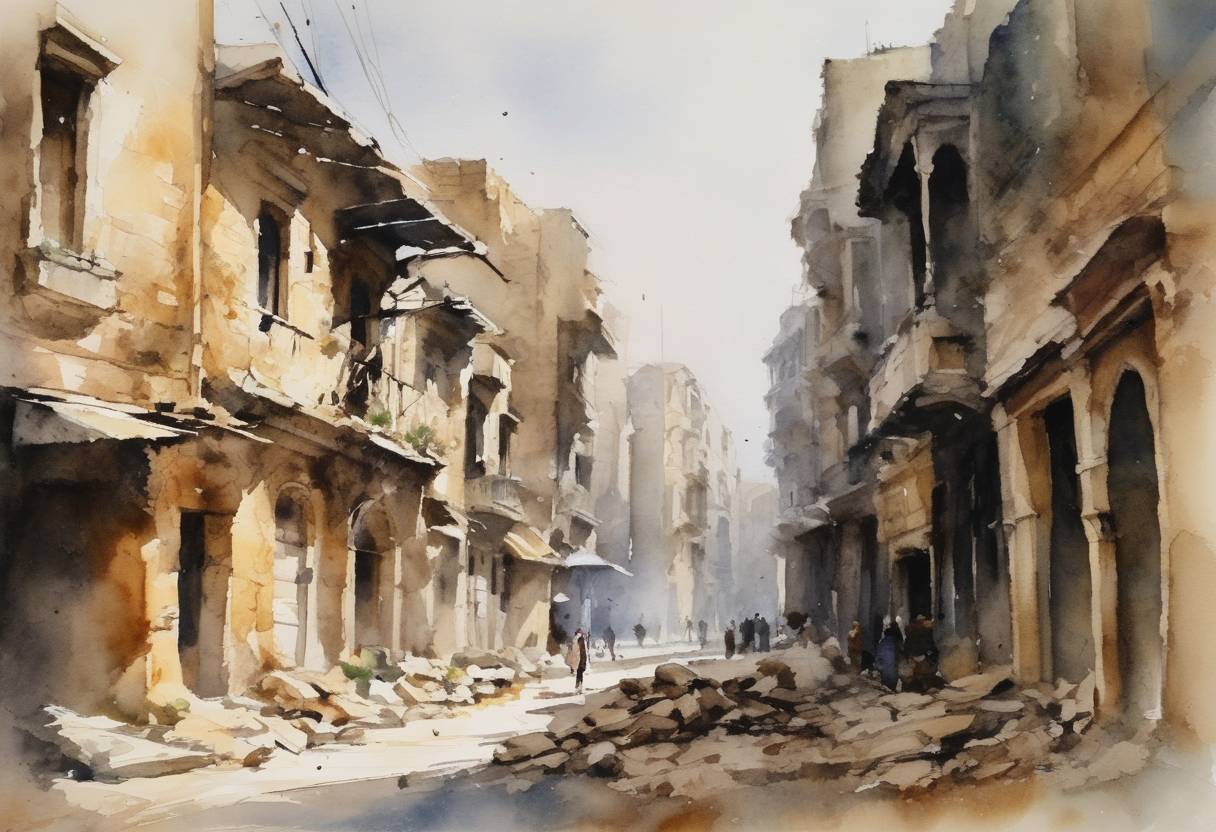
On November 4, 1138, the city of Aleppo in what is now modern-day Syria experienced one of the deadliest earthquakes in recorded history. This catastrophic event caused widespread devastation, resulting in an estimated death toll exceeding 230,000 people. The earthquake struck during a culturally and politically dynamic period in the region, further exacerbating the existing tensions and challenging the resilience of the societies within the affected areas.
Aleppo, at the time, was a significant urban center in the medieval Islamic world, known for its strategic location and cultural vibrancy. The region had been experiencing seismic activity leading up to the earthquake, and historical records suggest that infrastructural weaknesses and population density contributed to the quake’s catastrophic impact.
The earthquake caused massive destruction not only in Aleppo but also in the surrounding areas, including Hama and multiple fortresses and castles in the region. Reports from the period describe entire neighborhoods and structures being obliterated, with the city being likened to a “vast ruin.”
The earthquake’s timing was devastating, as it struck in the evening when many people would have been in their homes, contributing to the high casualty rate. The immediate aftermath saw a significant disruption in societal life, with survivors facing severe challenges in terms of shelter, resources, and health.
The 1138 earthquake significantly impacted the social and political structures of northern Syria and its neighboring regions. Rebuilding efforts were complicated by ongoing conflicts, including the Crusades which saw numerous powers vying for control over the Levant. The disaster underscored the vulnerability of urban centers to natural calamities during this period, influencing architectural and urban planning practices in subsequent eras.
Despite its severity, the earthquake is not as extensively documented in contemporary sources as other historical events, possibly due to the era’s recording capabilities and the simultaneous geopolitical conflicts that demanded more chronicled attention. However, its legacy persists in the awareness of the potential devastation wrought by natural disasters in this historically rich and seismically active region.
Source: www.britannica.com