UEFA Euro 2016 Tournament Overview
2016 · Paris, France
The UEFA Euro 2016 football tournament began in France, featuring 24 teams from across Europe.
May 31, 2021
Naomi Osaka, a Japanese professional tennis player, withdrew from the French Open, citing mental health struggles after being fined for refusing to attend mandatory press conferences.
Paris, France | French Tennis Federation
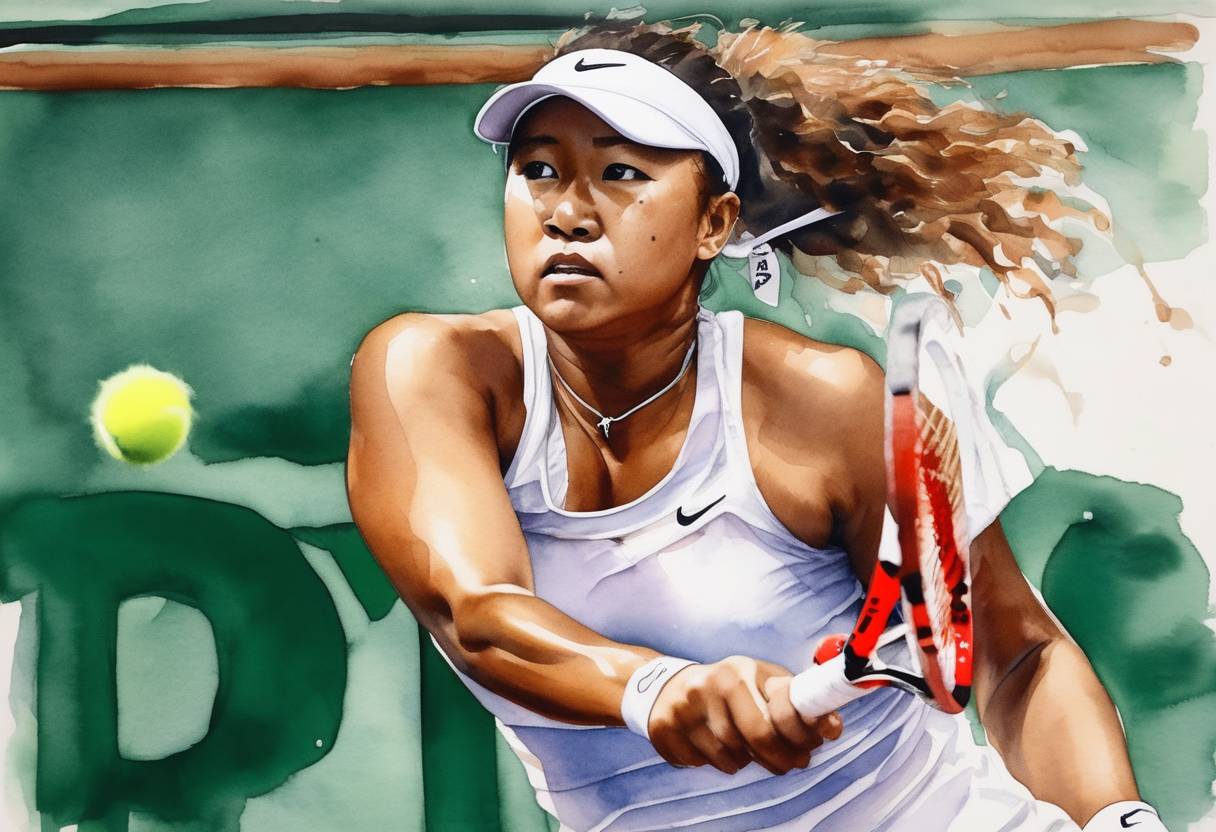
On May 31, 2021, Japanese professional tennis player Naomi Osaka withdrew from the French Open. This decision followed a series of events that highlighted significant issues concerning athletes’ mental health and media obligations.
Before the start of the French Open, Osaka announced that she would not participate in any press conferences during the tournament. She cited mental health concerns, noting that these interactions sometimes felt like “kicking a person while they’re down.” Despite the sport’s tradition and rules requiring player participation in press conferences, Osaka’s stand aimed to spotlight the need for more empathy towards players’ mental health.
On May 31, Osaka announced her withdrawal from the tournament through a personal statement shared on social media. In her statement, she revealed her ongoing struggles with depression, which began after her 2018 US Open victory. She expressed that her withdrawal from the tournament was the best path forward for both her mental health and the tournament’s integrity.
Osaka’s withdrawal prompted widespread discussion about the pressures faced by professional athletes, especially concerning mental health issues:
Osaka’s action was a significant moment in sports history, highlighting the ongoing dialogue about mental health. It challenged traditional norms within professional sports and ushered in changes as organizations began to reevaluate and amend their policies concerning athletes’ mental welfare and media obligations. Her decision underscored the importance of balancing professional demands with personal health needs and sparked a global conversation on creating supportive environments for athletes.
Source: www.bbc.com