Train Derailment and Explosions Near Nishapur, Iran - February 18, 2004
2004 · Nishapur, Iran
A train derailed near Nishapur, Iran, causing explosions that killed at least 295 people.
October 24, 1844
The Báb, central figure in Babism, and a fore-runner to the Baháʼí Faith, claimed his revelation, culminating in the movement's most intense period of development.
Shiraz, Iran | Bábí Faith
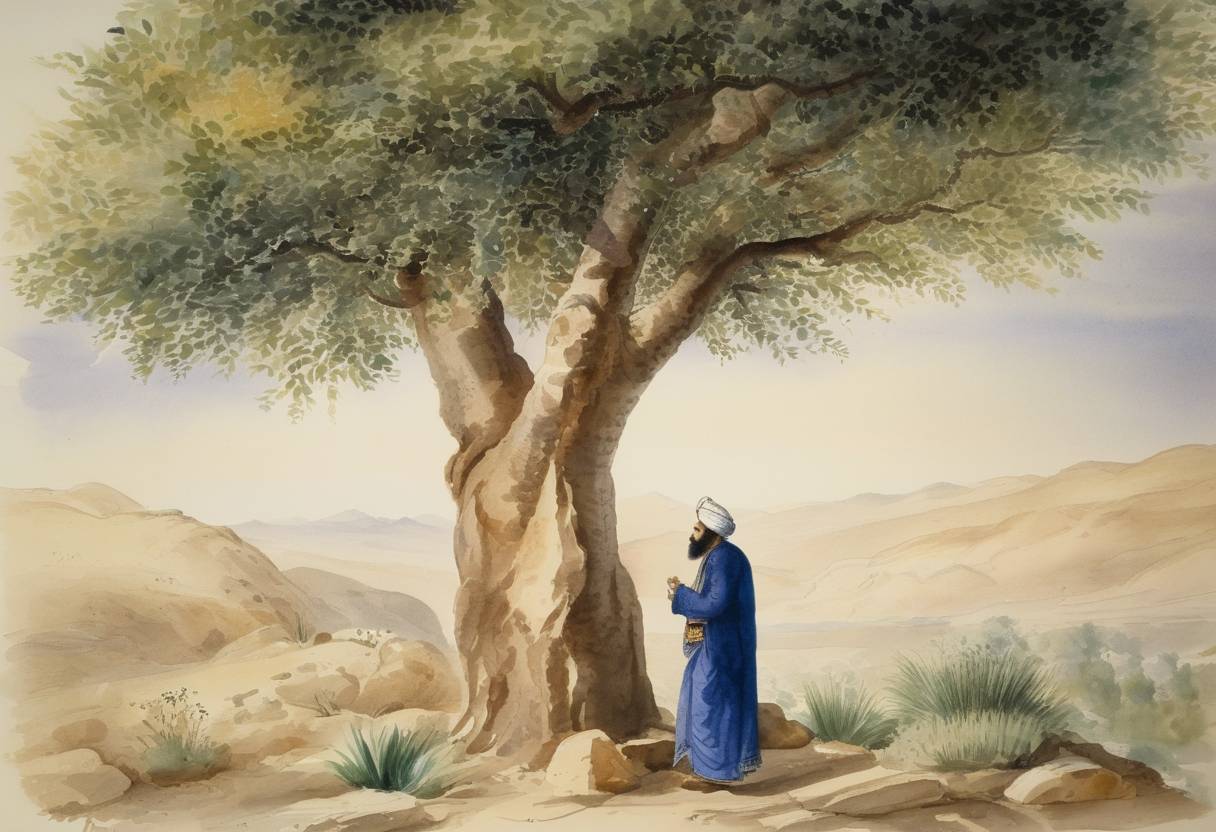
On October 24, 1844, the Báb’s proclamation marked a pivotal moment in the movement known as Bábism, which later contributed significantly to the development of the Baháʼí Faith. Although this date was not the initial declaration of his mission—it actually began on May 23, 1844—the movement reached an intensified phase that eventually led to significant social and religious change.
The Báb, born as Siyyid `Ali-Muhammad in Shiraz, Persia (modern-day Iran), claimed to be a new messenger of God. Influenced by Islamic eschatological traditions, he positioned himself as the “Gate” (Báb) to greater truths and a forerunner to another prophetic figure. His early declaration coincided with widespread messianic expectations and social tumult within Persia.
By October 1844, the movement had gathered substantial momentum. It was characterized by increasing numbers of adherents and growing tensions with the Persian authorities and the established Shia clergy. October 24, 1844, represents a period when the Báb’s teachings gained considerable traction, leading to increasing scrutiny and conflict with the state, which viewed his claims as heretical and politically destabilizing.
The Báb’s doctrine emphasized spiritual and social reform, advocating for the moral and ethical renewal of society. His teachings quickly spread across Persia, attracting a diverse following from varied backgrounds, eager for reform in the socio-political landscape.
As the Báb’s influence grew, the Persian clergy and government felt threatened, leading to intensified persecution of the Báb and his followers. Despite this, his message continued to resonate, providing a foundation for the Baháʼí Faith, which emerged in the latter half of the 19th century.
The Báb’s declaration set in motion a chain of events that would significantly influence religious thought beyond Persia. His emphasis on unity and progress, as well as his role as a precursor to Bahá’u’lláh, the founder of the Baháʼí Faith, underscores his lasting impact. The events surrounding the Báb in 1844 set the stage for a religious transformation that would spread globally in the following decades.
Source: en.wikipedia.org