The Second Republican Elections at the Cordeliers Club - April 29, 1848
1848 · Paris, France
The French held the second Republican May Cordeliers Club elections during the tumultuous revolutions in 1848.
April 12, 1992
Euro Disneyland (now Disneyland Paris) opened in Marne-la-Vallée, France, as Disney's second theme park internationally and first in Europe.
Marne-la-Vallée, France | The Walt Disney Company
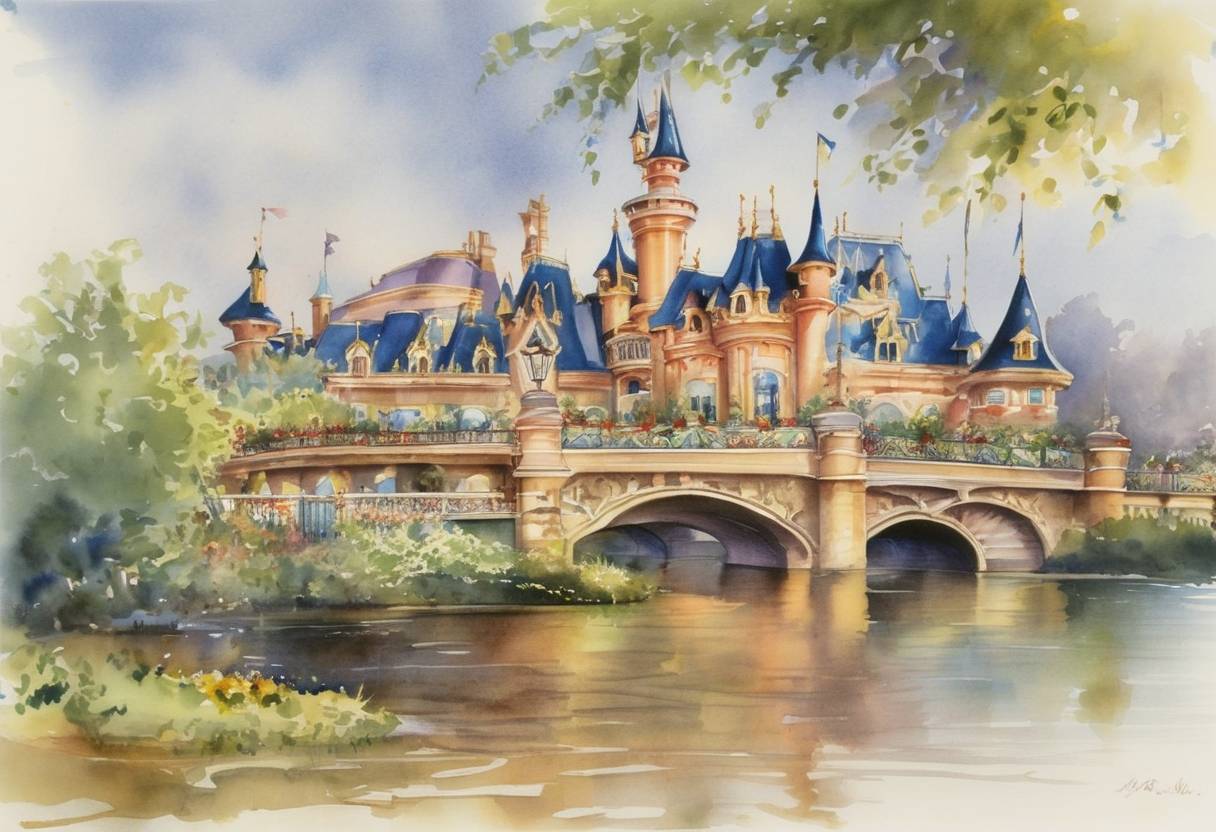
On April 12, 1992, Euro Disneyland (now Disneyland Paris) opened its doors in Marne-la-Vallée, a new town in the eastern suburbs of Paris, France. This marked a significant moment for The Walt Disney Company as it represented the company’s first attempt to establish a theme park in Europe and the second international park after Tokyo Disneyland, which opened in 1983.
The establishment of Euro Disneyland followed the success of Disneyland in California, Walt Disney World in Florida, and Tokyo Disneyland. Throughout the early 1980s, Disney executives were keen to capitalize on the European market. By 1985, France was selected as the location, outbidding several other sites across the continent due to its geographical centrality and strong infrastructure. An agreement was reached with the French government in 1987, setting the stage for the construction of a massive entertainment complex that included theme parks, hotels, and a golf course.
The grand opening of Euro Disneyland attracted significant media attention and was clouded with both anticipation and controversy. A ceremonial ribbon-cutting event was attended by Disney executives, French officials, and thousands of eager spectators. The park initially faced criticism and resistance, particularly from cultural commentators and some sectors of the French population who viewed the project as an “American cultural imperialism.”
The park featured five themed lands similar to its American counterparts, including Main Street, U.S.A., Adventureland, Fantasyland, Frontierland, and Discoveryland. Euro Disneyland was designed to incorporate European influences within its architecture and attractions, aiming to blend Disney’s traditional Americana with local tastes and sensibilities.
Despite vigorous promotional efforts, Euro Disneyland struggled in its early years. It faced financial difficulties due to lower-than-expected attendance and higher initial costs. Cultural differences contributed to its early challenges, with misjudgments regarding European vacation habits and a perceived lack of appeal to local visitors. Many believed ticket prices were too high, and European visitors were less inclined to buy merchandise than anticipated.
To address the early issues, Disney restructured its management and financial obligations. Disney made efforts to incorporate more European culture into the park and adapt offerings to match guests’ expectations. Over the years, Euro Disneyland rebranded as Disneyland Paris and gradually became a popular tourist destination, raising its visitor numbers and recovering financially.
The opening of Euro Disneyland is a remarkable chapter in Disney’s history, showcasing both the challenges and opportunities of global expansion. Despite its rocky start, the successful establishment of Disneyland Paris has proved instrumental in shaping Disney’s international strategy and expanding its presence in Europe, ultimately making it the most visited theme park in Europe.
Source: en.wikipedia.org