Dissolution of the League of Nations: April 8, 1946
1946 · Geneva, Switzerland
The League of Nations, established after World War I to promote peace, was officially dissolved, transferring its assets to the United Nations.
March 27, 1933
Japan announced it would leave the League of Nations, formally withdrawing from the organization following the League's response to the Japanese invasion of Manchuria.
Tokyo, Japan | League of Nations
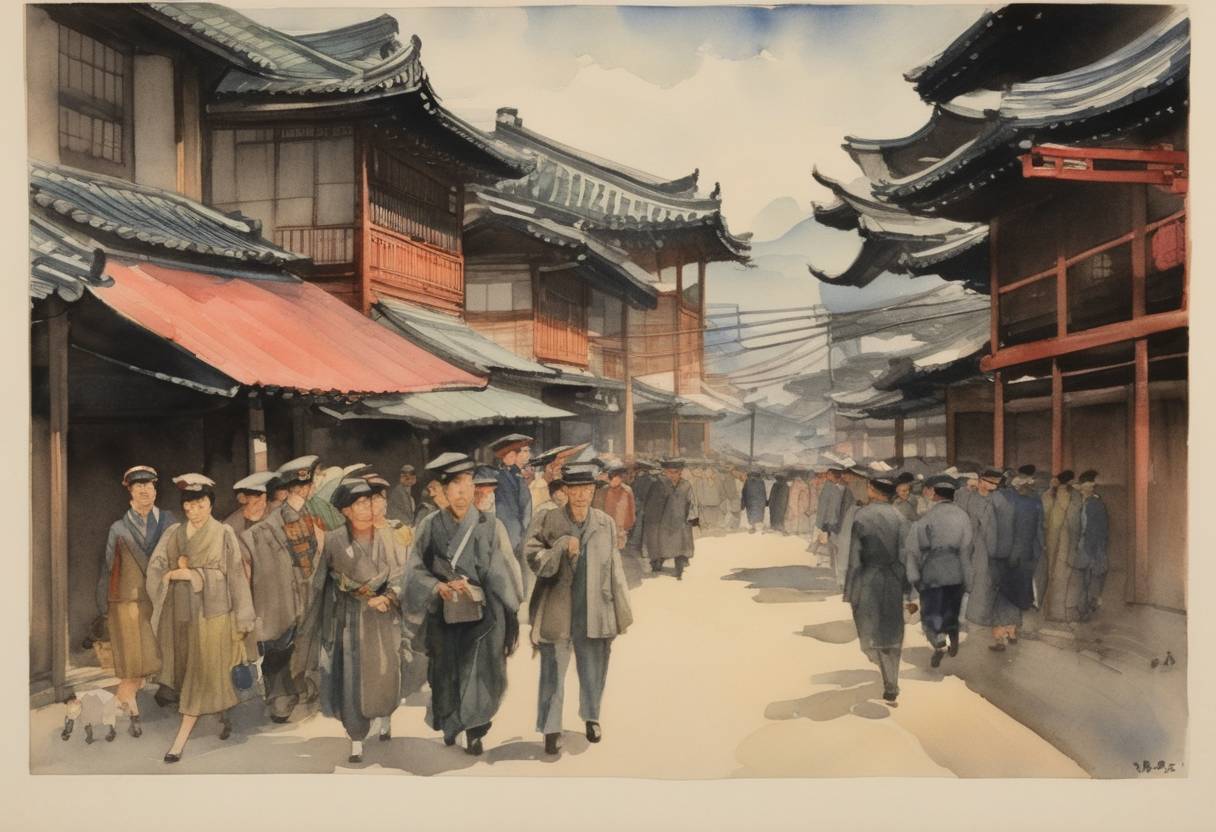
On March 27, 1933, Japan officially announced its intention to withdraw from the League of Nations, marking a significant moment in the interwar period that underscored the limitations of the League in maintaining peace and cooperation among nations.
The seeds of Japan’s decision were sown in 1931 with the Mukden Incident, a staged event engineered by Japanese military personnel to justify Japan’s invasion of Manchuria. Following the incident, Japan rapidly established a puppet state named Manchukuo. The situation quickly drew international attention and condemnation.
The League of Nations, an organization formed after World War I to promote world peace and cooperation, investigated Japan’s actions through the Lytton Commission. In October 1932, the Commission concluded that Japan’s invasion of Manchuria was unjustified and recommended the region be returned to Chinese sovereignty. In February 1933, the League of Nations Assembly adopted the Commission’s report and refused to recognize Manchukuo as a legitimate state.
Faced with overwhelming international pressure and isolation within the League, Japan’s delegation, led by Yosuke Matsuoka, vehemently defended its actions by emphasizing Japan’s view of its rights and interests in Manchuria. Ultimately, Japan rejected the League’s conclusions, perceiving them as biased and undermining Japanese sovereignty and security.
Japan’s formal announcement to withdraw from the League came as a direct response to the League’s overwhelming criticism and recommendations regarding its military endeavors in East Asia. The decision highlighted Japan’s growing nationalism and its determination to pursue an independent foreign policy agenda, free from what it perceived as Western interference.
Japan’s withdrawal from the League of Nations was not only a diplomatic turning point but also a foreshadowing of its future militaristic and expansionist policies in Asia, which would eventually contribute to the broader conflicts of World War II.
The exit also illuminated the weaknesses of the League of Nations, particularly its inability to enforce its resolutions and maintain collective security. This incident among others demonstrated the League’s deficiencies in handling aggressive actions by major powers, which directly contributed to the escalation of global tensions leading up to World War II.
Source: www.jstor.org