Lombok Earthquake - July 29, 2018
2018 · Lombok, Indonesia
A 6.4 magnitude earthquake struck the island of Lombok in Indonesia, causing significant damage and loss of life, and was followed by a series of aftershocks.
January 15, 2021
An earthquake of magnitude 6.2 struck the island of Sulawesi in Indonesia, causing widespread damage and resulting in at least 105 deaths and over 3,300 injuries.
Mamuju, Indonesia | Indonesian National Board for Disaster Management
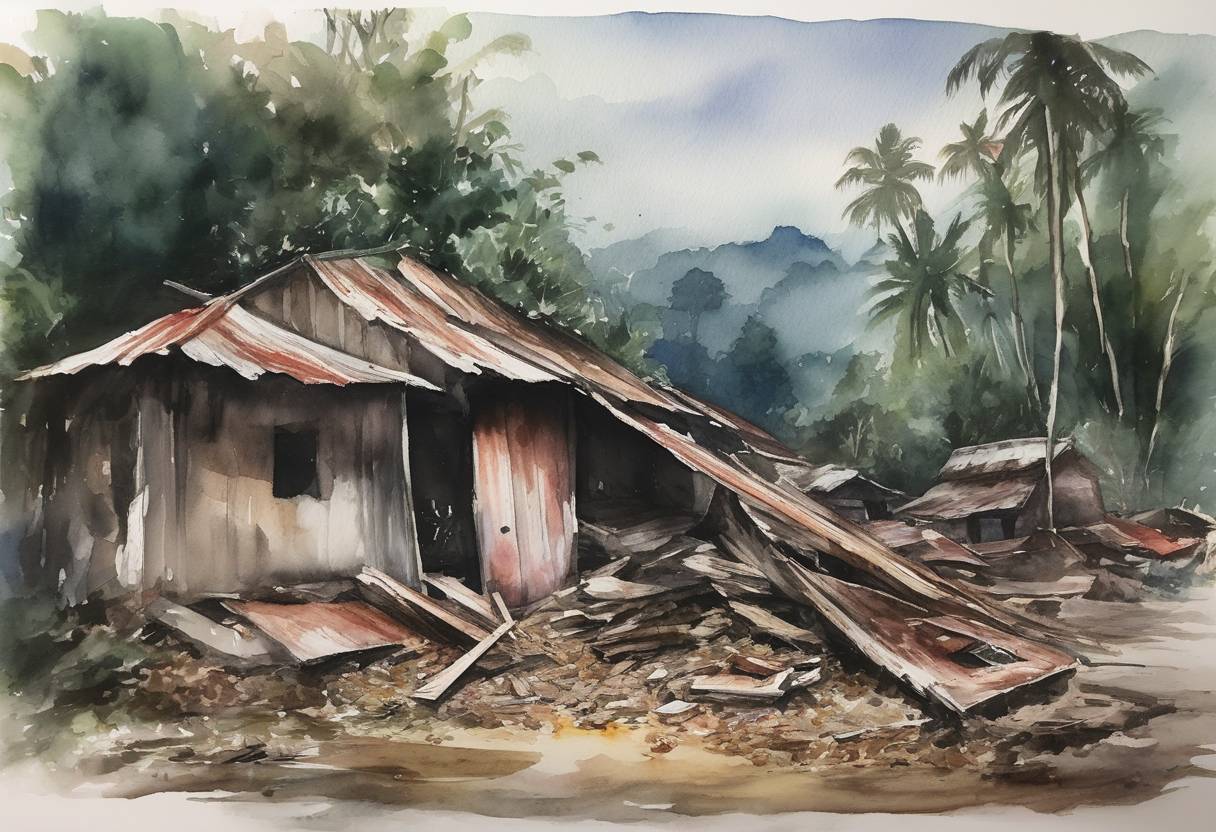
On January 15, 2021, a devastating earthquake with a magnitude of 6.2 struck the Indonesian island of Sulawesi. This catastrophic event primarily affected the western part of the island, causing significant destruction and loss of life.
The epicenter of the earthquake was located 36 kilometers south of Mamuju, the capital of West Sulawesi, at a depth of approximately 18 kilometers. The region is part of Indonesia’s earthquake-prone zone, situated along the Pacific “Ring of Fire,” known for its frequent seismic and volcanic activity.
The earthquake resulted in widespread damage across the affected region. Buildings, including residential properties, hospitals, and government facilities, were severely damaged or collapsed. Notable infrastructure affected included the office of the governor in Mamuju and the Mitra Manakarra Hospital, which suffered structural damage that complicated rescue efforts.
The Indonesian government, along with local agencies and international aid organizations, immediately mobilized resources for rescue and relief operations. Challenges included:
This event underscored the vulnerability of Indonesia to natural disasters, emphasizing the need for improved infrastructure resilience and disaster preparedness. The Sulawesi earthquake of 2021 is part of a broader series of seismic activities that have periodically affected Indonesia, acting as a reminder of the necessity for robust emergency management systems to mitigate the impact of such natural calamities.
Efforts in the aftermath focused not only on immediate relief but also on long-term reconstruction and enhancing community resilience against future disasters.
Source: www.bbc.com