Brumadinho Dam Collapse - January 25, 2019
2019 · Brumadinho, Brazil
A dam at an iron ore mine in Brumadinho, Brazil, collapses, causing a massive mudslide that results in the deaths of at least 270 people.
November 5, 2015
A dam holding back waste water from an iron ore mine in Brazil collapsed, causing a massive environmental disaster. The incident, known as the Mariana dam disaster, resulted in 19 deaths and widespread environmental damage.
Mariana, Brazil | Samarco
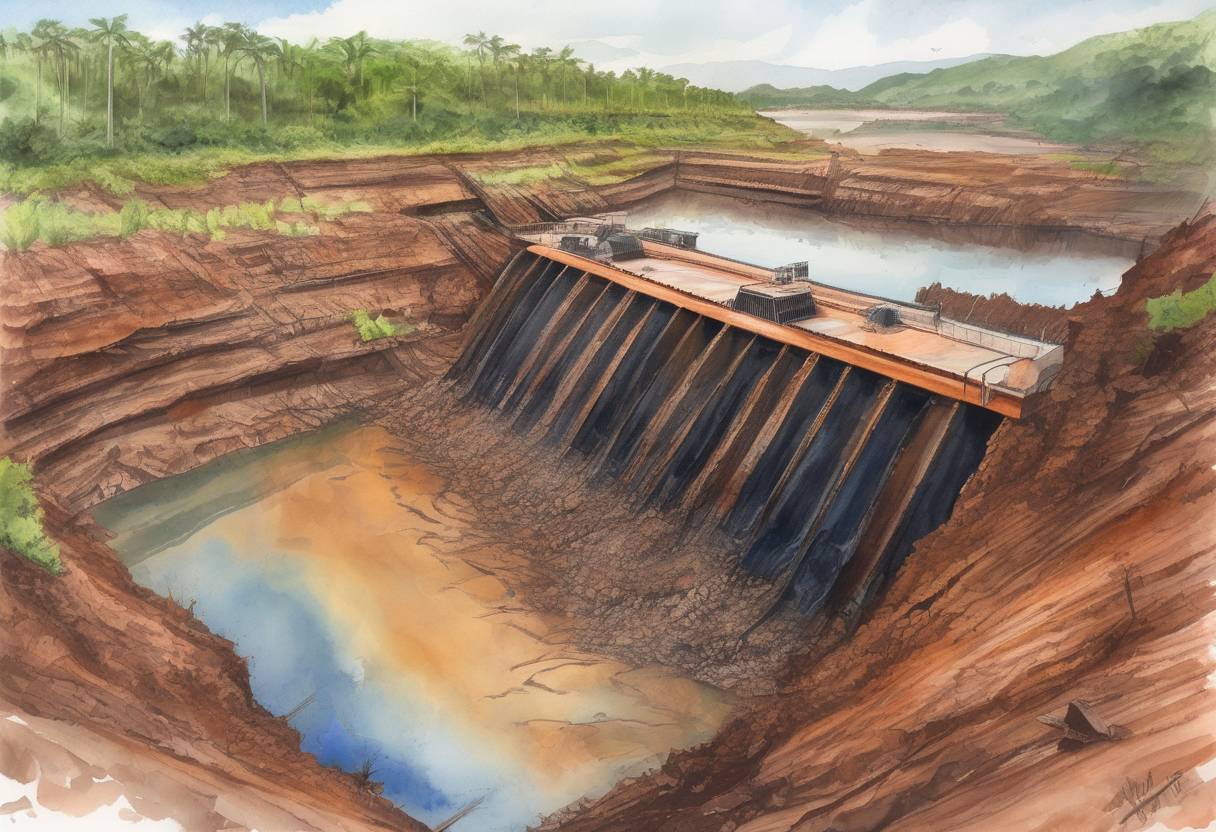
On November 5, 2015, a catastrophic dam failure occurred in the state of Minas Gerais, Brazil, leading to one of the worst environmental disasters in the country’s history. This incident, known as the Mariana dam disaster, involved the collapse of the Fundão tailings dam, which was used to store waste byproducts from iron ore mining operations.
The Fundão dam was part of the Germano mining complex, operated by Samarco, a joint venture between two mining giants, Vale S.A. and BHP Billiton. The dam was designed to hold back tailings, which are the waste materials left over after the extraction of iron ore. Over time, these tailings accumulate in large quantities, necessitating robust containment measures.
On the afternoon of November 5, the Fundão dam suddenly gave way, releasing approximately 60 million cubic meters of toxic sludge. The deluge of mud and mining waste surged through the nearby village of Bento Rodrigues, obliterating homes and infrastructure. The disaster claimed the lives of 19 people and displaced hundreds of residents.
The environmental repercussions of the dam collapse were severe and far-reaching:
In the wake of the disaster, Samarco, along with its parent companies Vale and BHP Billiton, faced intense scrutiny and legal challenges. The Brazilian government and various environmental organizations demanded accountability and reparations for the affected communities and ecosystems.
The Mariana dam disaster highlighted the potential dangers associated with mining operations and the need for rigorous safety measures. It served as a wake-up call for the global mining industry, emphasizing the importance of sustainable practices and the protection of communities and environments from industrial hazards.
In summary, the collapse of the Fundão dam on November 5, 2015, was a tragic event with lasting consequences for both the people and the environment of Brazil. It underscored the critical need for responsible resource management and the safeguarding of natural ecosystems.
Source: www.bbc.com