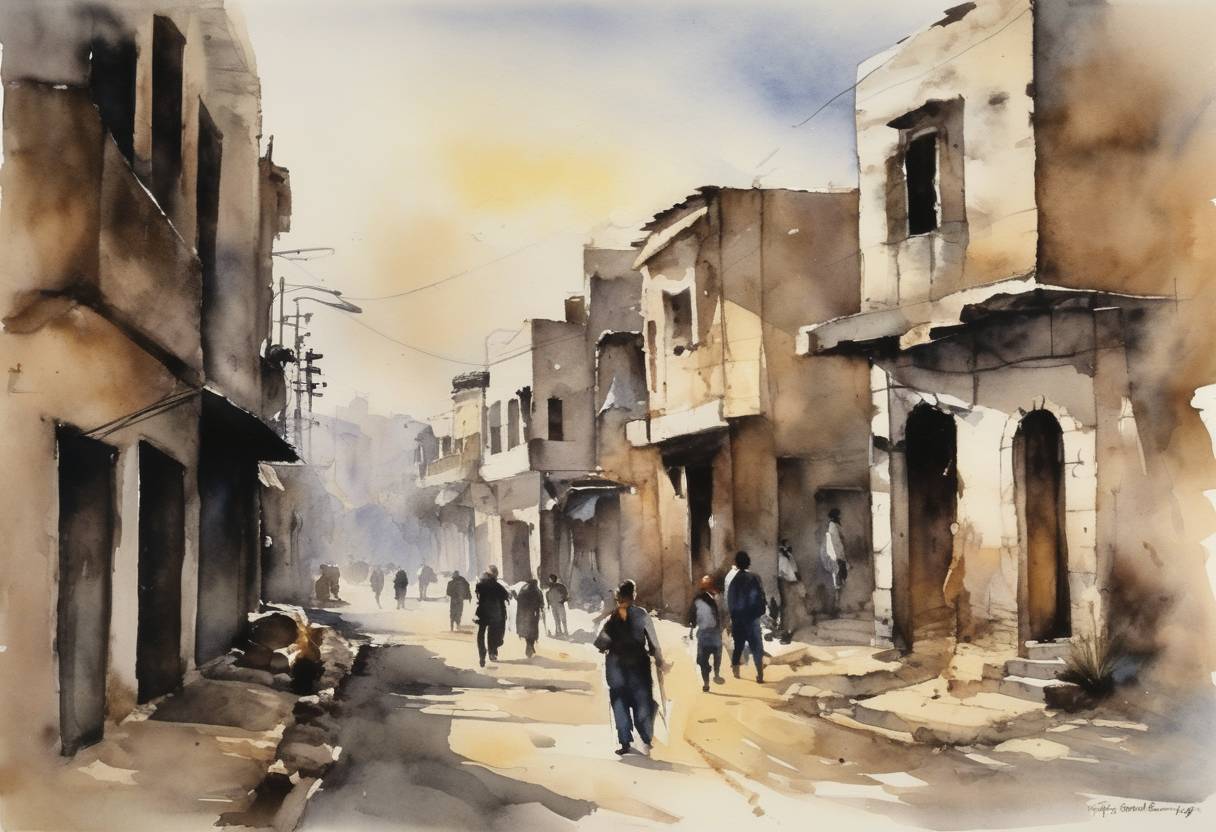
The First Intifada: December 9, 1987
The First Intifada, an uprising by Palestinians against Israeli occupation, officially began on December 9, 1987. This significant event in the Israeli-Palestinian conflict was marked by widespread grassroots resistance and civil disobedience against Israeli military rule in the Gaza Strip and the West Bank.
Context and Prelude
The late 20th century saw growing tensions in the occupied Palestinian territories. By the mid-1980s, Palestinians in these areas experienced frustration due to enduring military occupation, settlement expansion, and socio-economic hardships. These issues were compounded by a lack of progress in addressing Palestinian self-determination.
Throughout 1987, the atmosphere was charged with discontent as Palestinians faced high unemployment, land expropriations, and restrictions on movements, contributing to the local population’s anger.
The Catalyst
The immediate catalyst for the uprising occurred on December 8, 1987, when an Israeli military vehicle collided with a car carrying Palestinian workers in the Jabalya refugee camp in Gaza, resulting in the deaths of four Palestinians. The incident was perceived by the Palestinian community as an intentional act of aggression, inciting widespread protests.
The Uprising
On December 9, violent protests erupted spontaneously throughout the Gaza Strip and quickly spread to the West Bank. The First Intifada was characterized by acts of civil disobedience, including demonstrations, strikes, boycotts of Israeli goods, and the iconic image of Palestinian youths confronting heavily armed Israeli soldiers with stones and slingshots.
Grassroots community organizations played a crucial role, organizing neighborhood committees to sustain the resistance and maintain social services amid the upheaval. These included the United National Leadership of the Uprising (UNLU), which coordinated protests and formulated demands.
Israeli Response and International Reaction
The Israeli government’s response included deploying additional troops to suppress the uprising, resulting in clashes that caused significant casualties on both sides. The military sought to quell the demonstrations with force, leading to international criticism and media attention that highlighted the Palestinian plight.
Broader Impact
The First Intifada represented a pivotal moment in the Israel-Palestine conflict:
Political Implications: The uprising compelled the international community to re-evaluate the status quo and increased calls for a negotiated peace.
Palestinian Political Landscape: The uprising led to the emergence of new Palestinian political dynamics, ultimately contributing to the signing of the Oslo Accords in the early 1990s.
Strengthening of Palestinian Identity: For many Palestinians, the Intifada became a symbol of national struggle and unity against occupation.
The First Intifada lasted until 1993 and left a profound impact on Middle Eastern geopolitics, altering the course of the conflict and setting the stage for subsequent diplomatic efforts.
By highlighting the resilience and struggle of the Palestinian people, the Intifada underscored the complexities of the conflict, contributing to a more nuanced understanding of the situation by the global community.