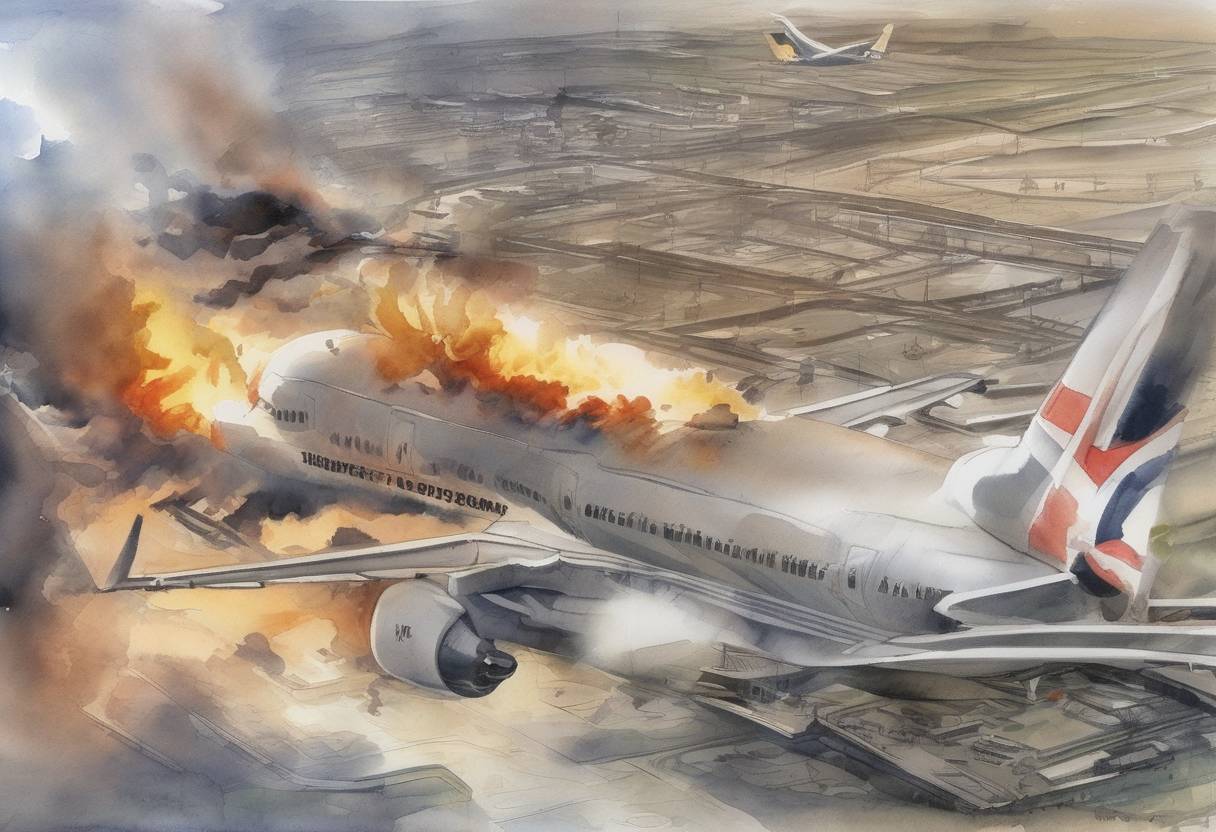
Thwarted Terrorist Plot on August 10, 2006
On August 10, 2006, British authorities successfully disrupted a major terrorist plot aimed at detonating liquid explosives on multiple transatlantic flights departing from the United Kingdom to the United States. This event marked a significant moment in global aviation security, leading to immediate and long-lasting changes in airport security protocols worldwide.
Background
The plot was orchestrated by a group of British nationals of Pakistani descent, who planned to smuggle liquid explosives disguised in soft drink bottles onto aircraft. The intention was to assemble and detonate these explosives mid-flight, targeting several planes simultaneously to maximize casualties and create widespread panic.
Key Events Leading Up to the Thwarting
- Intelligence Gathering: The plot was uncovered through a combination of intelligence efforts, including surveillance and wiretaps, conducted by British security services in collaboration with international partners, notably the United States.
- Arrests: On August 10, 2006, British police arrested 24 individuals in connection with the plot. These arrests were part of a coordinated operation that involved raids across London, Birmingham, and High Wycombe.
- Security Alert: The discovery of the plot led to an immediate and heightened security alert across the UK and the US. Airports were thrown into chaos as security measures were rapidly intensified.
- Flight Disruptions: Thousands of flights were delayed or canceled, affecting travelers worldwide. Passengers faced long queues and stringent security checks.
Changes in Airport Security
- Liquid Restrictions: One of the most significant outcomes was the introduction of restrictions on carrying liquids in hand luggage. Passengers were limited to carrying liquids in containers of no more than 100 milliliters, all of which had to fit into a single, transparent, resealable plastic bag.
- Enhanced Screening: Airports around the world implemented more rigorous screening procedures, including the use of advanced scanning technologies to detect potential threats.
Broader Historical Significance
- Global Security Measures: The thwarted plot underscored the evolving nature of terrorist threats and the need for adaptive security measures. It led to a reevaluation of aviation security protocols globally.
- Public Awareness: The event heightened public awareness of the potential threats to air travel and the importance of security measures in preventing such attacks.
The successful prevention of this plot demonstrated the effectiveness of international intelligence cooperation and set a precedent for future counter-terrorism strategies. The changes in security measures that followed have had a lasting impact on the experience of air travel, balancing the need for safety with the convenience of passengers.