The Second Battle of Ypres: April 22, 1915
1915 · Ypres, Belgium
During World War I, the Second Battle of Ypres begins. It marks the first large-scale use of chemical weapons on the Western Front by Germany.
May 3, 1915
The poem 'In Flanders Fields' was written by Lieutenant Colonel John McCrae during World War I.
Ypres, Belgium | Canadian Army
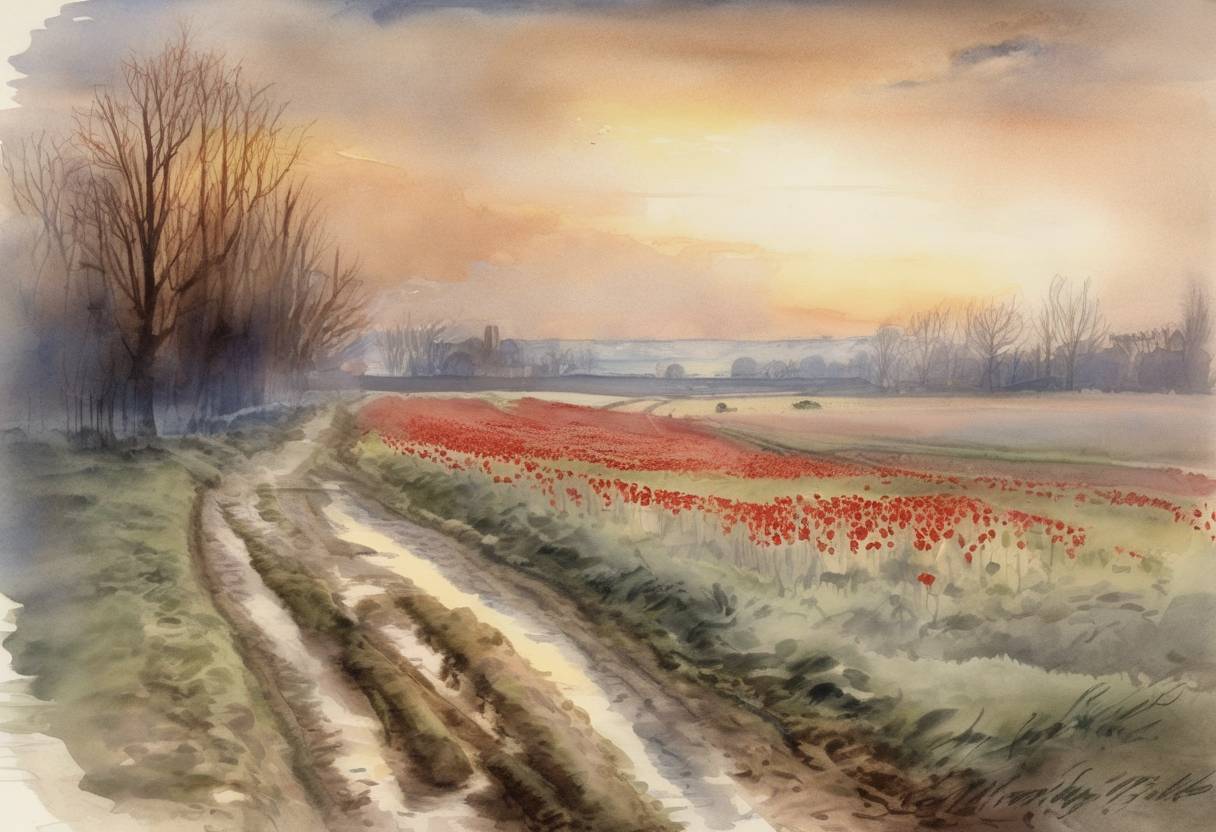
The poem “In Flanders Fields” was written on May 3, 1915, during World War I by Lieutenant Colonel John McCrae, a Canadian physician and soldier. The poem emerged from the brutal realities of the Second Battle of Ypres, which took place in the Flanders region of Belgium. This battle was notable for the first large-scale use of chemical weapons by the Germans, marking a grim chapter in the war.
John McCrae composed the poem shortly after the death of his friend and fellow soldier, Lieutenant Alexis Helmer, who was killed in the battle on May 2, 1915. Deeply moved by the loss and the sight of poppies growing amidst the graves of fallen soldiers, McCrae penned the poem while sitting in the back of an ambulance. The poppies, which flourished in the disturbed earth of the battlefields, became a poignant symbol of remembrance.
“In Flanders Fields” is a short, yet powerful poem that captures the voice of the fallen soldiers buried beneath the poppies. It reflects themes of sacrifice, remembrance, and the enduring spirit of those who fought. The poem’s opening lines are among the most famous in war poetry:
In Flanders fields the poppies blow
Between the crosses, row on row,
That mark our place; and in the sky
The larks, still bravely singing, fly
Scarce heard amid the guns below.
The poem was first published on December 8, 1915, in the magazine Punch. It quickly gained popularity and became one of the most quoted poems from the war. Its imagery and themes resonated deeply with the public, contributing to the adoption of the poppy as a symbol of remembrance for soldiers who died in conflict.
“In Flanders Fields” has had a lasting impact on the way wars are commemorated. The poppy, inspired by McCrae’s poem, is now an enduring emblem of remembrance, particularly in Commonwealth countries. The poem continues to be recited at memorial services and Remembrance Day ceremonies, serving as a reminder of the sacrifices made during World War I and subsequent conflicts.
Lieutenant Colonel John McCrae’s poignant words have ensured that the memory of those who perished in Flanders fields endures, highlighting the enduring power of poetry to capture the human experience of war.
Source: www.britannica.com