Sago Mine Disaster - January 2, 2006
2006 · Sago, United States
A coal mine explosion in Sago, West Virginia, traps 13 miners. Only one miner survives, leading to increased scrutiny and reforms in mine safety regulations.
October 21, 1966
The Aberfan disaster occurs as a colliery spoil tip collapses in the Welsh village of Aberfan, killing 144 people, including 116 children.
Aberfan, United Kingdom | National Coal Board
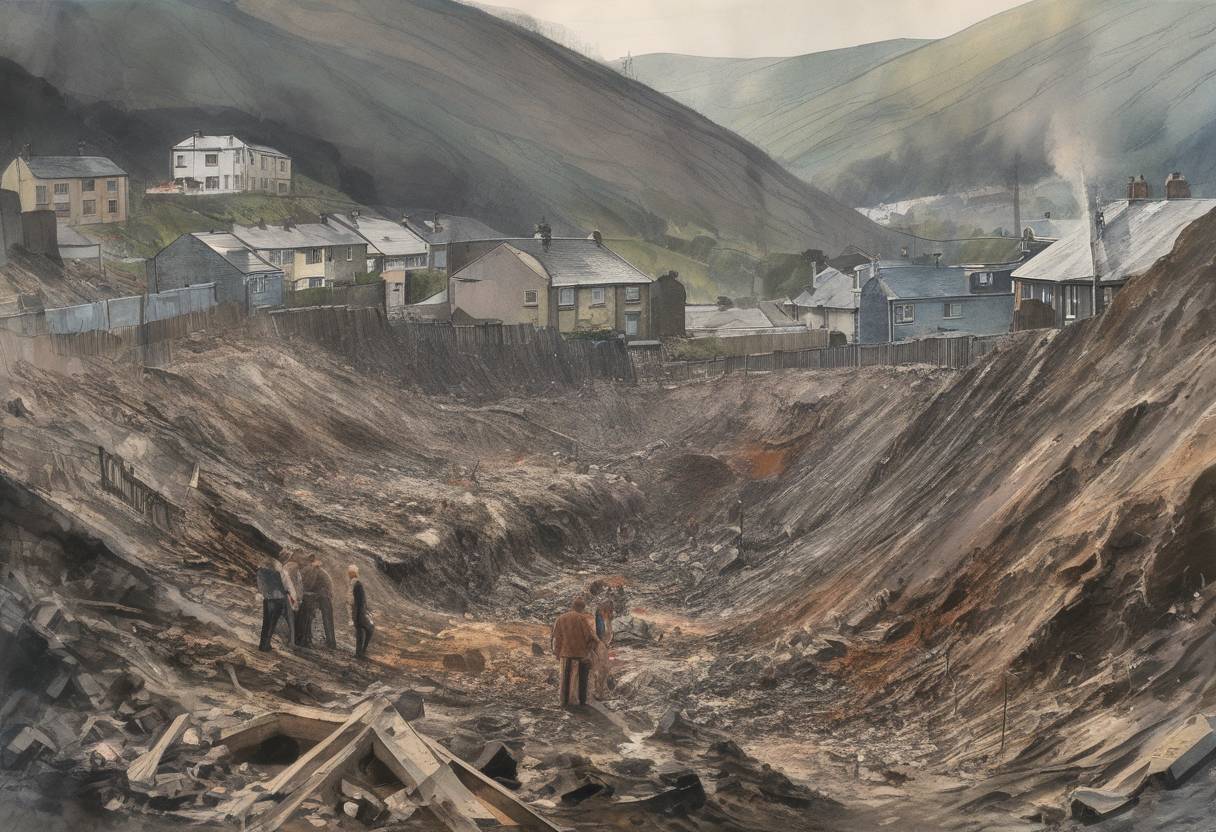
On October 21, 1966, a catastrophic event unfolded in the Welsh village of Aberfan, marking one of the most tragic disasters in British history. Known as the Aberfan disaster, it involved the collapse of a colliery spoil tip, which resulted in the deaths of 144 people, including 116 children.
Aberfan is a small village located in South Wales, part of the Merthyr Tydfil County Borough. The village was heavily reliant on the coal mining industry, which was a significant part of the local economy. The National Coal Board (NCB) operated several coal mines in the area, and the waste material from these mines, known as spoil, was deposited in large heaps or tips on the hillsides surrounding the village.
Tip Number 7, the spoil heap that collapsed, had been accumulating waste since 1958. It was situated on a hillside above the village, precariously placed over a natural spring. Concerns about the stability of the tip had been raised by local residents and the Pantglas Junior School, which lay directly in its path, but these warnings were not heeded by the authorities.
On the morning of October 21, 1966, after several days of heavy rain, the waterlogged spoil tip became unstable. At approximately 9:15 AM, the tip collapsed, sending an avalanche of slurry and debris down the hillside. The landslide engulfed Pantglas Junior School and several nearby houses, causing widespread devastation.
The disaster struck just as the school day was beginning, which tragically resulted in the high number of child fatalities. Rescue efforts were immediate, with local miners and residents working tirelessly to dig through the debris in search of survivors. Despite their efforts, the scale of the disaster meant that many lives were lost.
The Aberfan disaster had a profound impact on the community and the nation. A tribunal was established to investigate the causes of the disaster, led by Lord Justice Edmund Davies. The inquiry concluded that the National Coal Board was responsible for the disaster due to negligence in managing the spoil tips. However, no criminal charges were brought against the NCB or its officials.
The disaster prompted significant changes in legislation regarding industrial safety and the management of spoil tips. It also led to increased scrutiny of the coal mining industry and greater awareness of the potential dangers associated with mining operations.
The Aberfan Disaster Memorial Fund was established to support the victims’ families and the community, receiving donations from across the world. The disaster remains a poignant reminder of the human cost of industrial negligence and the importance of safety regulations.
The memory of the Aberfan disaster continues to be honored through memorials and annual commemorations. The event is a significant part of Welsh history and serves as a somber reminder of the need for vigilance and accountability in industrial practices. The resilience and solidarity shown by the Aberfan community in the face of such tragedy have left a lasting legacy of courage and compassion.
Source: en.wikipedia.org