Viking Raid on Paris - March 28, 845
845 · Paris, West Francia
The Viking raid on Paris began, led by the Norse chieftain Ragnar Lothbrok, marking a significant event in the Viking expansion into Europe.
June 8, 0793
The Viking raid on the Lindisfarne Monastery marks the beginning of the Viking Age in Europe.
Lindisfarne, England | Vikings
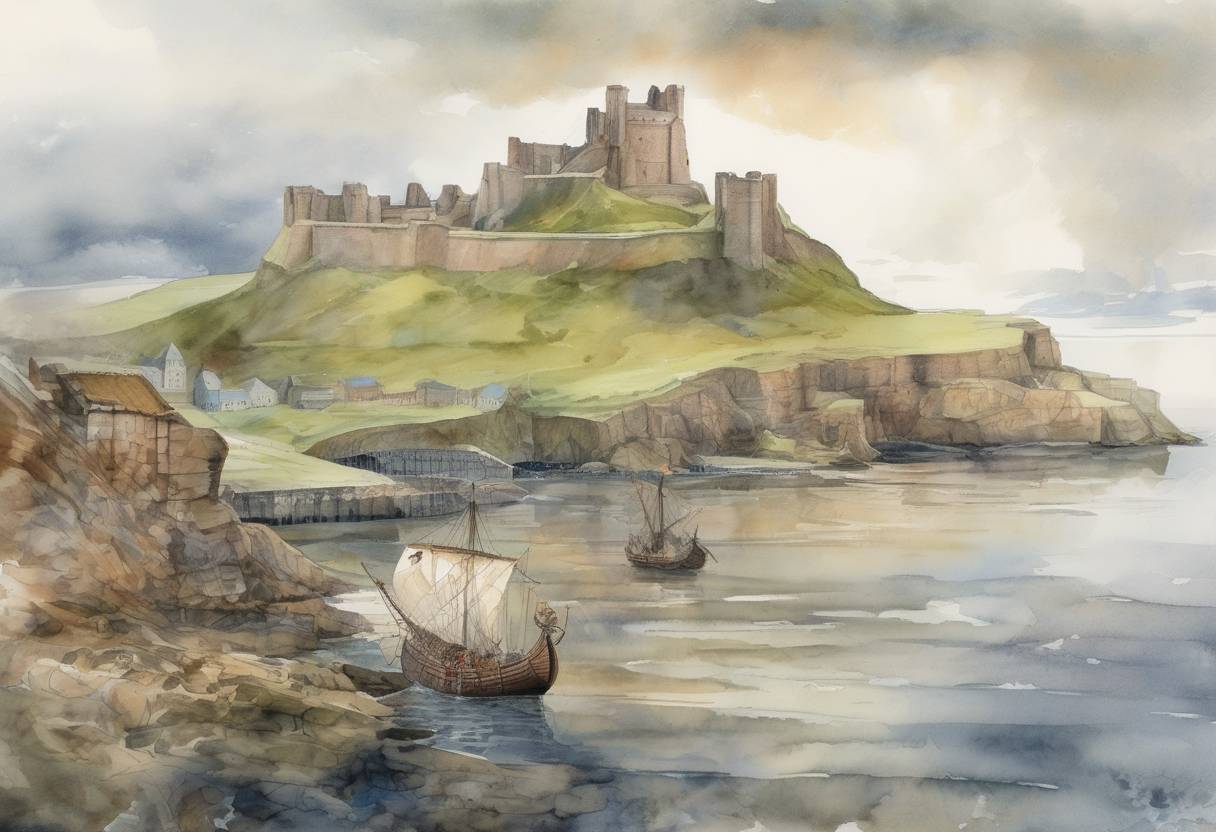
The Viking raid on the Lindisfarne Monastery on June 8, 793, is often cited as the event that marks the beginning of the Viking Age in Europe. This period, spanning from the late 8th century to the early 11th century, was characterized by Norse exploration, trade, and warfare across Europe.
Lindisfarne Monastery: Founded in 634 by the Irish monk Saint Aidan, Lindisfarne was a center of Christian learning and spirituality located on a tidal island off the northeast coast of England. It was renowned for its religious significance and its production of the Lindisfarne Gospels, an illuminated manuscript of the Gospels of Matthew, Mark, Luke, and John.
Viking Society: The Vikings were seafaring people from Scandinavia (modern-day Norway, Sweden, and Denmark). Their society was organized around chieftains and was known for its skilled shipbuilding and navigation techniques, which enabled them to travel vast distances across the seas.
The Attack: On June 8, 793, Norse raiders attacked the monastery at Lindisfarne. The raid was brutal and swift, with the Vikings plundering the monastery’s treasures, destroying religious artifacts, and killing or enslaving the monks.
Impact on Europe: The raid sent shockwaves throughout Christian Europe. It was recorded in the Anglo-Saxon Chronicle and other contemporary sources, which described the event as a divine punishment for the sins of the people. The attack highlighted the vulnerability of coastal and riverine settlements to seaborne raids.
Beginning of the Viking Age: The raid on Lindisfarne is often considered the beginning of the Viking Age, a period marked by increased Norse activity across Europe. The Vikings would go on to raid, trade, and settle in various parts of Europe, including the British Isles, France, and Russia.
Cultural and Economic Impact: The Viking incursions led to significant cultural exchanges and the eventual integration of Norse culture into the regions they settled. Economically, the raids disrupted local economies but also facilitated trade networks that connected different parts of Europe.
Religious and Political Reactions: The attack on a sacred Christian site prompted a reevaluation of defense strategies and led to the fortification of monasteries and settlements. It also influenced the political landscape, as rulers sought to protect their territories from further Viking incursions.
The raid on Lindisfarne was a pivotal moment in European history, symbolizing the start of a dynamic era of exploration and cultural interaction. The Viking Age would leave a lasting legacy on the political, cultural, and economic development of Europe, influencing everything from language and art to governance and trade.
In summary, the Viking raid on Lindisfarne on June 8, 793, was a defining event that heralded the beginning of the Viking Age, shaping the course of European history for centuries to come.
Source: en.wikipedia.org