Founding of Lima by Francisco Pizarro
1535 · Lima, Peru
Spanish conquistador Francisco Pizarro founded the city of Lima, which would become the capital of Peru.
December 6, 1534
The city of Quito, Ecuador, was founded by Spanish settlers led by Sebastián de Belalcázar.
Quito, Ecuador | Spanish Empire
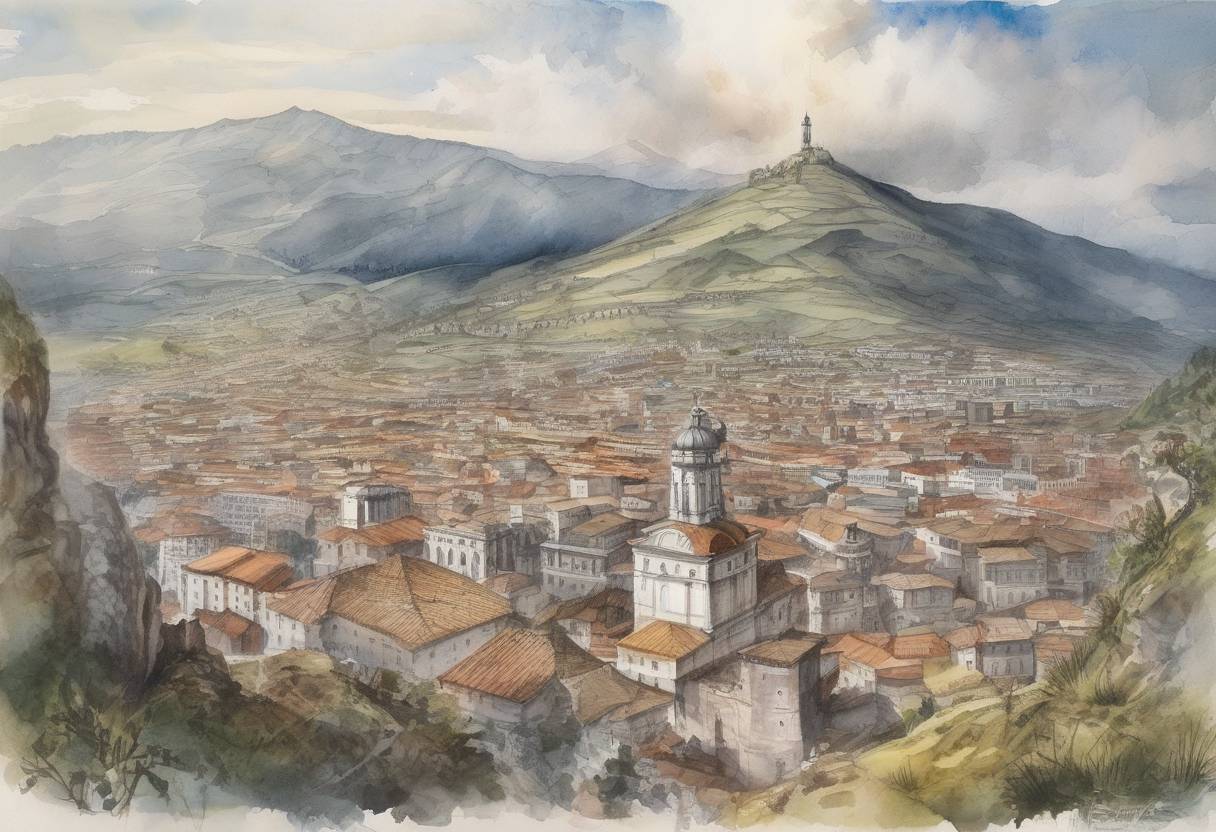
The city of Quito, now the capital of Ecuador, was officially founded by Spanish settlers on December 6, 1534. This significant event was led by the Spanish conquistador Sebastián de Belalcázar, who played a crucial role in the Spanish colonization of South America.
Pre-Columbian Quito: Before the arrival of the Spanish, the area was inhabited by indigenous peoples, including the Quitu tribe, which was later integrated into the Inca Empire. The region was a strategic and cultural center due to its location in the Andes.
Spanish Conquest: The Spanish conquest of the Inca Empire, initiated by Francisco Pizarro, set the stage for further expeditions into the northern territories. Sebastián de Belalcázar, one of Pizarro’s lieutenants, ventured north from Peru in search of wealth and new territories to claim for Spain.
Journey North: Belalcázar embarked on an expedition from the newly conquered Inca territories in Peru, moving through what is now southern Colombia and into the highlands of Ecuador.
Conflict and Alliances: The Spanish encountered resistance from indigenous groups but also formed alliances with others who were opposed to Inca rule. These alliances were crucial for the Spanish as they navigated the complex political landscape of the region.
Establishment of Quito: On December 6, 1534, Belalcázar officially founded the city of Quito. The site was chosen for its strategic location and its existing infrastructure, which the Spanish could utilize for their colonial administration.
Colonial Development: Quito quickly became an important administrative and religious center in the Spanish colonial empire. The city served as a hub for the spread of Spanish culture, language, and Catholicism in the region.
Cultural Legacy: The founding of Quito marked the beginning of significant cultural and demographic changes. The Spanish introduced European architecture, agriculture, and social structures, which blended with indigenous traditions to create a unique cultural tapestry.
Modern Quito: Today, Quito is recognized for its well-preserved historic center, a UNESCO World Heritage Site, reflecting its rich colonial history and architectural heritage.
The founding of Quito by Sebastián de Belalcázar is a pivotal moment in the history of Ecuador, symbolizing the broader Spanish conquest and colonization of the Americas. It laid the foundations for the development of one of South America’s most historically significant cities.
Source: en.wikipedia.org