The May Fourth Movement: A Turning Point in Chinese History
Background
The May Fourth Movement was a pivotal event in Chinese history that began on May 4, 1919. It was primarily a response to the Treaty of Versailles, which concluded World War I. Despite China’s contributions to the Allied war effort, the treaty awarded the former German territories in Shandong Province to Japan rather than returning them to China. This decision was perceived as a national humiliation and a blatant disregard for Chinese sovereignty.
Key Events on May 4, 1919
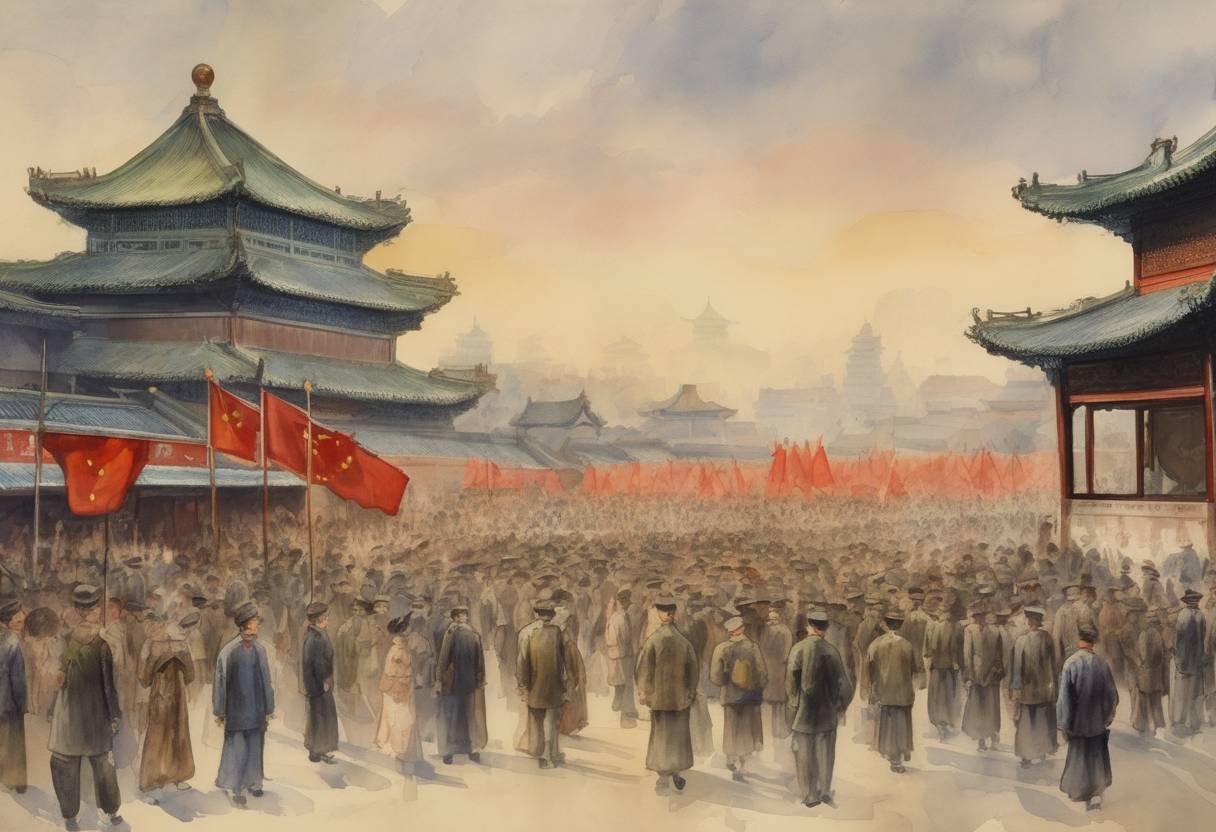
Student Protests: On May 4, 1919, over 3,000 students from 13 universities in Beijing gathered at Tiananmen Square to protest the Treaty of Versailles. They were particularly incensed by the decision to transfer Shandong to Japan.
Demands and Slogans: The students called for the rejection of the treaty, the removal of corrupt officials, and the promotion of national unity. Their slogans included “Struggle for the sovereignty externally, get rid of the national traitors at home,” and “Don’t sign the Versailles Treaty.”
Spread of the Movement: The protests quickly spread beyond Beijing, with demonstrations erupting in major cities across China, including Shanghai, Tianjin, and Wuhan. The movement gained support from a wide range of social groups, including workers, merchants, and intellectuals.
Broader Significance
Cultural and Intellectual Awakening: The May Fourth Movement marked a significant cultural and intellectual awakening in China. It was characterized by a surge in nationalism and a push for modernization and reform. The movement encouraged the questioning of traditional Confucian values and the exploration of new ideologies, including Marxism and liberalism.
Political Impact: The movement laid the groundwork for the rise of the Chinese Communist Party (CCP) and the eventual establishment of the People’s Republic of China in 1949. It also influenced the development of the Nationalist Party (Kuomintang), which sought to modernize China and resist foreign domination.
Legacy: The May Fourth Movement is often seen as the beginning of modern Chinese nationalism. It fostered a sense of unity and purpose among the Chinese people, emphasizing the importance of education, science, and democracy in building a strong and independent nation.
Conclusion
The May Fourth Movement was more than just a protest against the Treaty of Versailles; it was a catalyst for profound social and political change in China. It highlighted the deep-seated frustrations with foreign influence and internal corruption and inspired a generation to seek a new path for their country. The movement’s legacy continues to influence Chinese society and politics to this day.