The First Successful Flight of the SpaceX Falcon 9 Rocket
2010 · Cape Canaveral, United States
The first successful flight of the SpaceX Falcon 9 rocket takes place, marking a significant milestone in private space exploration.
September 27, 2008
SpaceX successfully launched Falcon 1, becoming the first privately developed liquid-fueled rocket to reach orbit.
Omelek Island, Marshall Islands | SpaceX
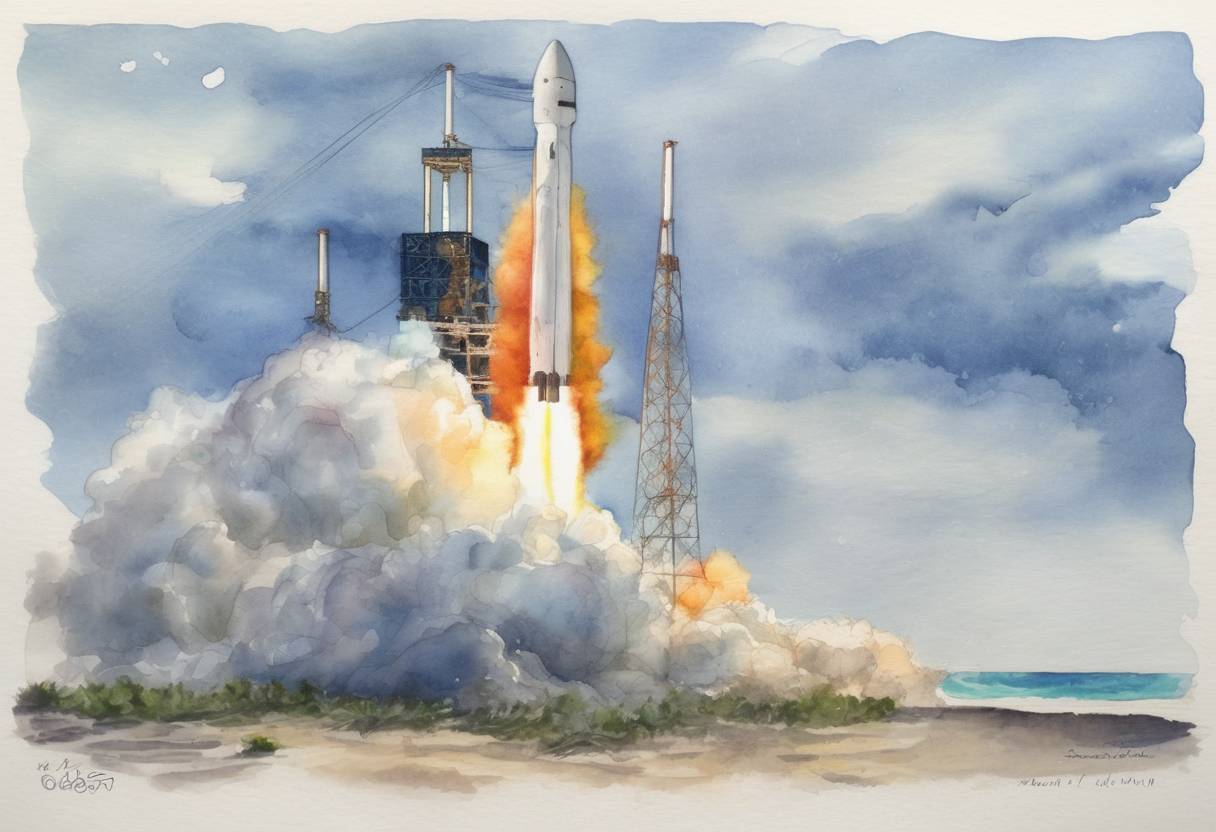
On September 27, 2008, SpaceX achieved a significant milestone in the history of space exploration with the successful launch of Falcon 1, marking it as the first privately developed liquid-fueled rocket to reach orbit. This event was a pivotal moment for private spaceflight and the broader aerospace industry.
SpaceX, founded by Elon Musk in 2002, aimed to reduce space transportation costs and enable the colonization of Mars. The Falcon 1 was the company’s first orbital rocket, designed to carry small payloads into space. Prior to the successful launch, SpaceX had experienced three consecutive failures with Falcon 1, which were crucial learning experiences that informed subsequent improvements.
The launch was a culmination of years of development and testing. The Falcon 1 was a two-stage rocket, with the first stage powered by a single Merlin engine and the second stage by a Kestrel engine. The successful flight demonstrated the viability of SpaceX’s design and engineering capabilities.
The successful launch of Falcon 1 on September 27, 2008, was a landmark event that reshaped the landscape of space exploration. It paved the way for the rise of commercial spaceflight and inspired a new era of private sector involvement in space missions. This achievement underscored the potential for private companies to contribute significantly to space exploration and technology development, influencing policies and partnerships in the space industry worldwide.
Source: www.spacex.com