The Camp Fire: November 15, 2018
2018 · Paradise, United States
The Camp Fire in California became the deadliest and most destructive wildfire in the state's history, with a death toll of 85 and thousands of structures destroyed.
May 5, 2016
A wildfire in Fort McMurray, Alberta, Canada, forced the evacuation of over 80,000 residents and became one of the costliest disasters in Canadian history.
Fort McMurray, Canada | Canadian Government
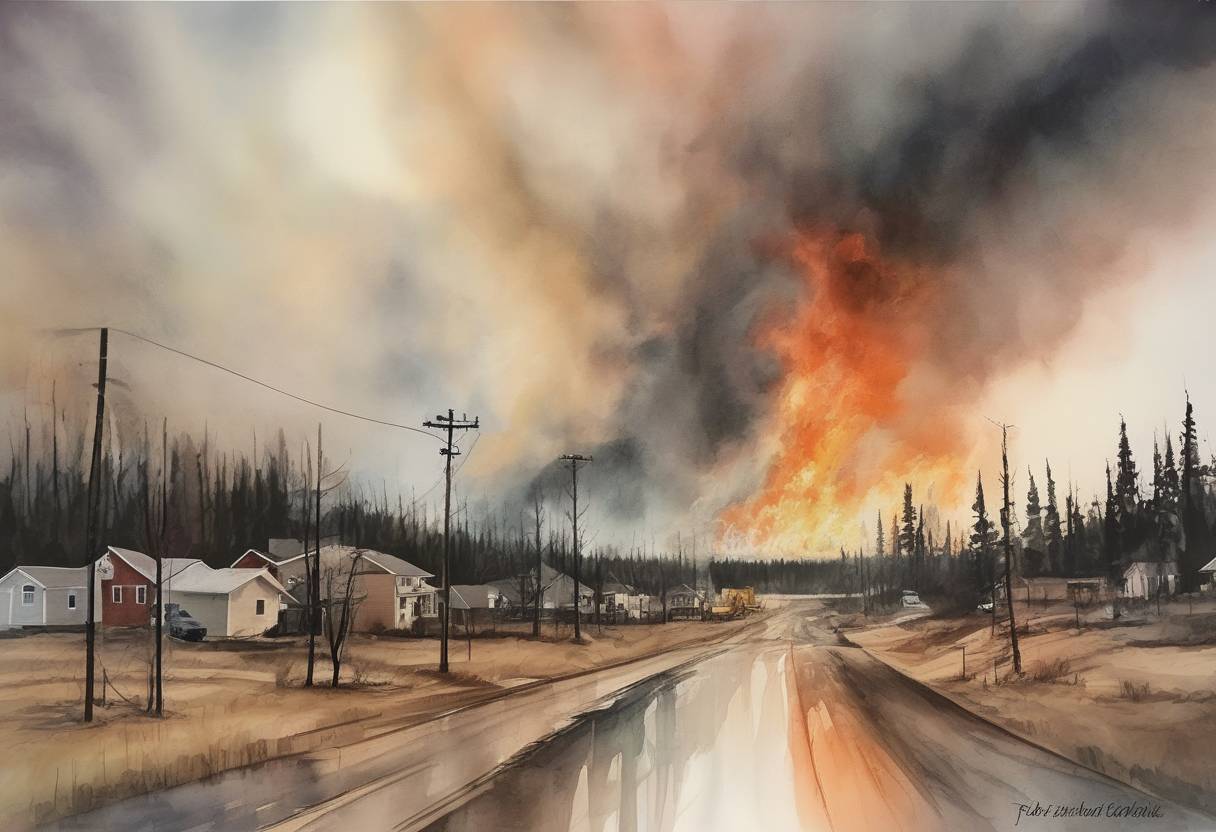
On May 5, 2016, a devastating wildfire in Fort McMurray, Alberta, Canada, led to the evacuation of over 80,000 residents, marking one of the most significant natural disasters in Canadian history. This event, often referred to as “The Beast,” had profound impacts on the community, the environment, and the economy.
Fort McMurray is located in the heart of Alberta’s oil sands region, a key area for Canada’s energy industry. The region is characterized by its boreal forest, which, under certain conditions, can become highly susceptible to wildfires. In the spring of 2016, a combination of dry conditions, unseasonably high temperatures, and strong winds created an environment ripe for wildfires.
Initial Outbreak: The fire was first detected on May 1, 2016, southwest of Fort McMurray. Despite efforts to contain it, the fire quickly grew due to the dry conditions and shifting winds.
Evacuation Order: By May 3, the fire had reached the outskirts of Fort McMurray, prompting a mandatory evacuation order for the entire city. This was the largest evacuation in Alberta’s history, affecting over 80,000 people.
Spread and Damage: On May 5, the fire continued to spread, consuming large areas of the city and surrounding forests. It destroyed approximately 2,400 homes and buildings, significantly impacting the local infrastructure.
Economic Impact: The wildfire disrupted oil production in the region, leading to significant economic losses. The total cost of the disaster was estimated to be around CAD 9 billion, making it the costliest disaster in Canadian history at the time.
Environmental and Health Effects: The fire burned approximately 590,000 hectares of land, affecting wildlife habitats and air quality. The smoke from the fire spread across Canada and into the United States, raising concerns about air pollution and respiratory health.
Community Recovery: The recovery and rebuilding process was extensive. Many residents faced challenges in returning to their homes, and the community required substantial support to rebuild infrastructure and restore normalcy.
The Fort McMurray wildfire highlighted the increasing risks of wildfires in the context of climate change, as rising temperatures and changing weather patterns contribute to more frequent and severe fire seasons. It underscored the need for improved emergency response strategies and urban planning to mitigate the impact of such disasters in the future.
The event also brought attention to the resilience of communities and the importance of solidarity and support in times of crisis. The response from across Canada and internationally demonstrated a collective effort to assist those affected and rebuild the community.
In summary, the Fort McMurray wildfire of May 5, 2016, stands as a significant event in Canadian history, with lasting implications for environmental policy, economic resilience, and community recovery efforts.
Source: www.theguardian.com